
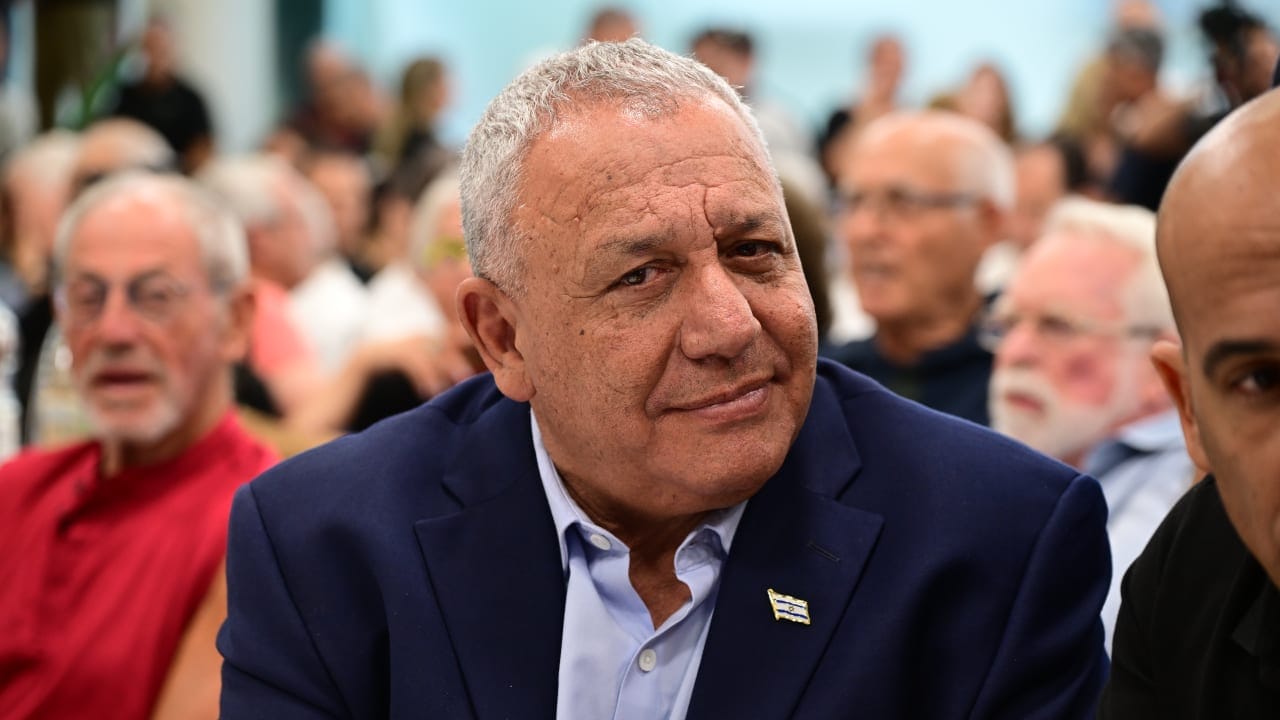
Jerusalem Post/Israel Election 2026Additionally, Benjamin Netanyahu's coalition dropped by four seats to just 47.Follow us on GoogleGadi Eisenkot, head of Yashar, is the main challenger to Prime Minister Benjamin Netanyahu in the upcoming October election.(photo credit: AVSHALOM SASSONI)SEPTEMBER 8, 2026 13:47The opposition bloc, with Yashar leader Gadi Eisenkot at the helm, could reach a 61-seat Knesset majority if Yoaz Hendel and Yaron Zelekha's joint slate joins it, after Ofer Winter's Amcha Israel party fell below the electoral threshold, according to a Maariv poll published on Tuesday.The poll, conducted by Lazar Research, headed by Dr. Menahem Lazar, in cooperation with Panel4ALL, showed another apparent dramatic shift in the balance between the political blocs as the electoral picture continues to fluctuate.As a result, Prime Minister Benjamin Netanyahu's coalition drops by four seats to just 47, while the Zionist opposition remains at 57 seats. The four seats won by the joint Reservists-Economic Party slate could give the opposition a 61-seat majority, even without the Arab parties.However, the poll was conducted before the candidate-list submission process was completed, meaning further fluctuations remain possible.The poll also showed that Yashar gained two seats following the presentation of its candidate list, while Beyachad, led by Naftali Bennett, fell by the same number. The strengthening of the joint Arab list also appears to have stalled, with the slate remaining at seven seats. Overall, the Arab parties receive 12 seats.Prime Minister Benjamin Netanyahu attends a 40-signatures debate at the Knesset, in Jerusalem, February 23, 2026 (credit: YONATAN SINDEL/FLASH90)Still, the picture requires caution. The Hendel-Zelekha slate and Amcha Israel are both hovering around the electoral threshold, and even a small shift could again change the balance between the blocs. Whether either party, or both, crosses or fails to cross the threshold could significantly alter the overall result.Eisenkot strengthens at Bennett's expenseAsked which party they would vote for if Knesset elections were held now, Yashar with Eisenkot, led by Gadi Eisenkot, continued to lead with 25 seats, up from 23 in the previous poll. Likud, led by Benjamin Netanyahu, remained at 20 seats, while Beyachad, led by Naftali Bennett, fell to 13 seats from 15 in the previous poll.The Democrats, led by Yair Golan, received 10 seats; Yisrael Beytenu, led by Avigdor Liberman, received nine; and Otzma Yehudit, led by Itamar Ben-Gvir, received eight. United Torah Judaism, led by Ya'acov Asher, and Shas, led by Arye Deri, each received seven seats.A united Arab list comprising Hadash-Ta'al and Balad, led by Yosef Jabareen, receives seven seats, while Ra'am, led by Mansour Abbas, receives five. Religious Zionism, led by Bezalel Smotrich, together with Zehut, led by Moshe Feiglin, also receives five seats.The Reservists Party, led by Yoaz Hendel, along with Yaron Zelekha, crosses the electoral threshold and receives four seats after failing to do so in the previous poll.In contrast, People of Israel, led by Ofer Winter, falls to 2.8% and does not cross the electoral threshold, after receiving four seats in the previous poll. Blue and White, led by Benny Gantz, with 1.3%; Noam LeYisrael, with 0.6%; and Motti Leitner's party, with 0.4%, also remain outside the Knesset.The proportion of undecided respondents in the current poll stands at 10.4%.The poll was conducted on September 7-8. A total of 4,052 people were invited to participate, of whom 600 responded, a response rate of 15%. The respondents constituted a representative sample of Israel's adult population aged 18 and over, including Jews and Arabs. The poll's maximum sampling error is 4%.Follow us on Google
Eisenkot-led coalition has pathway to 61 seats without Arab parties for first time - poll
Full Article
Original Source
Read the full article at Jpost →KhanList aggregates and links to publicly available news content. We do not host full articles from third-party sources. Always verify important information with original sources.