
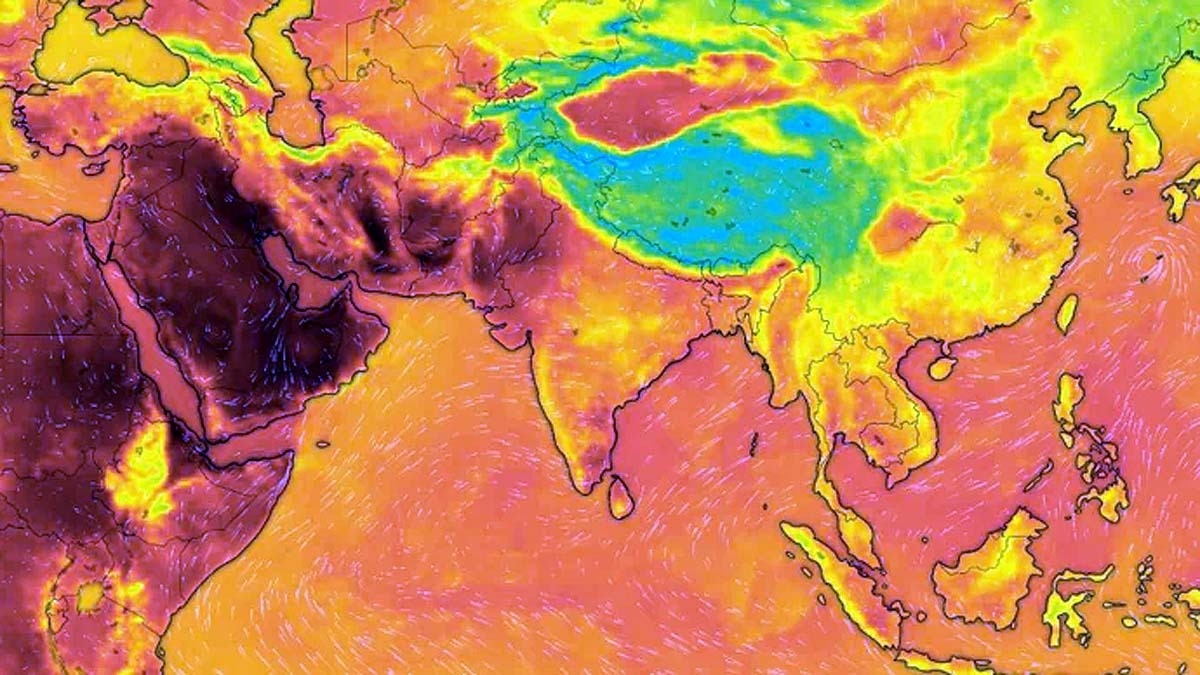
The WMO warned at COP31 that rising emissions and El Niño are driving exceptional global heat. The accelerating crisis threatens lives, livelihoods and food security worldwide.The report said global temperatures were rising because the Earth was accumulating heat at an accelerating rate. (File photo)New Delhi,Nov 9, 2026 16:50 ISTThe year 2026 is expected to be among the four warmest years on record, with the global average temperature between January and September reaching 1.47 degrees Celsius above pre-industrial levels, according to a World Meteorological Organization report cited by news agency Press Trust of India.The average was higher than the full-year figures recorded in 2025 and 2023, and only slightly below 2024, the warmest year on record. It is likely to rise further by the end of 2026 because of the warming effect of El Nio, which has intensified since August and is expected to become the strongest on record by December.The World Meteorological Organization released its State of the Climate Report on Friday, the opening day of the COP31 UN climate meeting in Antalya, Trkiye.“The past four years have been the warmest in the 177-year observational record, and the heat in the oceans is breaking records for the tenth year in a row,” WMO Secretary-General Celeste Saulo said in a statement. “The ongoing El Nio is forecast to be one of the strongest on record, and the heat it releases from the ocean will continue to fuel high temperatures and extreme weather into 2027,” she added.The report said global temperatures were rising because the Earth was accumulating heat at an accelerating rate. Greenhouse gases were trapping unprecedented amounts of heat and disrupting the balance between energy received from the sun and energy released by the Earth. This imbalance reached its highest level since monitoring began. According to the report cited by PTI, the concentration of carbon dioxide in the atmosphere rose by 53 per cent, from around 278 parts per million in 1750 to about 426.8 parts per million in 2025. The global average concentration of methane increased by 167 per cent, from 729 parts per billion in 1750 to 1,948 parts per billion in 2025.The oceans absorb 90 per cent of the excess heat, and 2026 is on course to become the tenth consecutive year of record ocean warmth, the report said.The WMO also said extreme weather events had affected lives and livelihoods, weakened food security, deepened poverty and contributed to displacement in several regions. Preliminary estimates showed that heatwaves, drought and wildfires in Europe caused more than 30,000 excess deaths.In India, an estimated 146.5 million people were exposed to extreme heat during a heatwave in April 2026, PTI reported, citing the WMO report.“We have entered a new age of climate extremes. A supersized El Nio is colliding with a planet already superheated by manmade climate change. Climate records keep falling. The human costs keep rising,” UN Secretary-General António Guterres said in a statement.“And those least responsible are suffering first and worst. Leaders must get serious by cutting emissions faster, accelerating a just transition from fossil fuels and delivering the finance and protection vulnerable countries need,” he added.The WMO report said rising greenhouse gas levels, record ocean warmth and a strengthening El Nio were pushing global temperatures higher, while extreme weather continued to affect lives, livelihoods and food security across regions.- Ends
Earth heating faster: Report says 2026 among 4 hottest years, El Nino rising
Full Article
Original Source
Read the full article at Indiatoday →KhanList aggregates and links to publicly available news content. We do not host full articles from third-party sources. Always verify important information with original sources.