
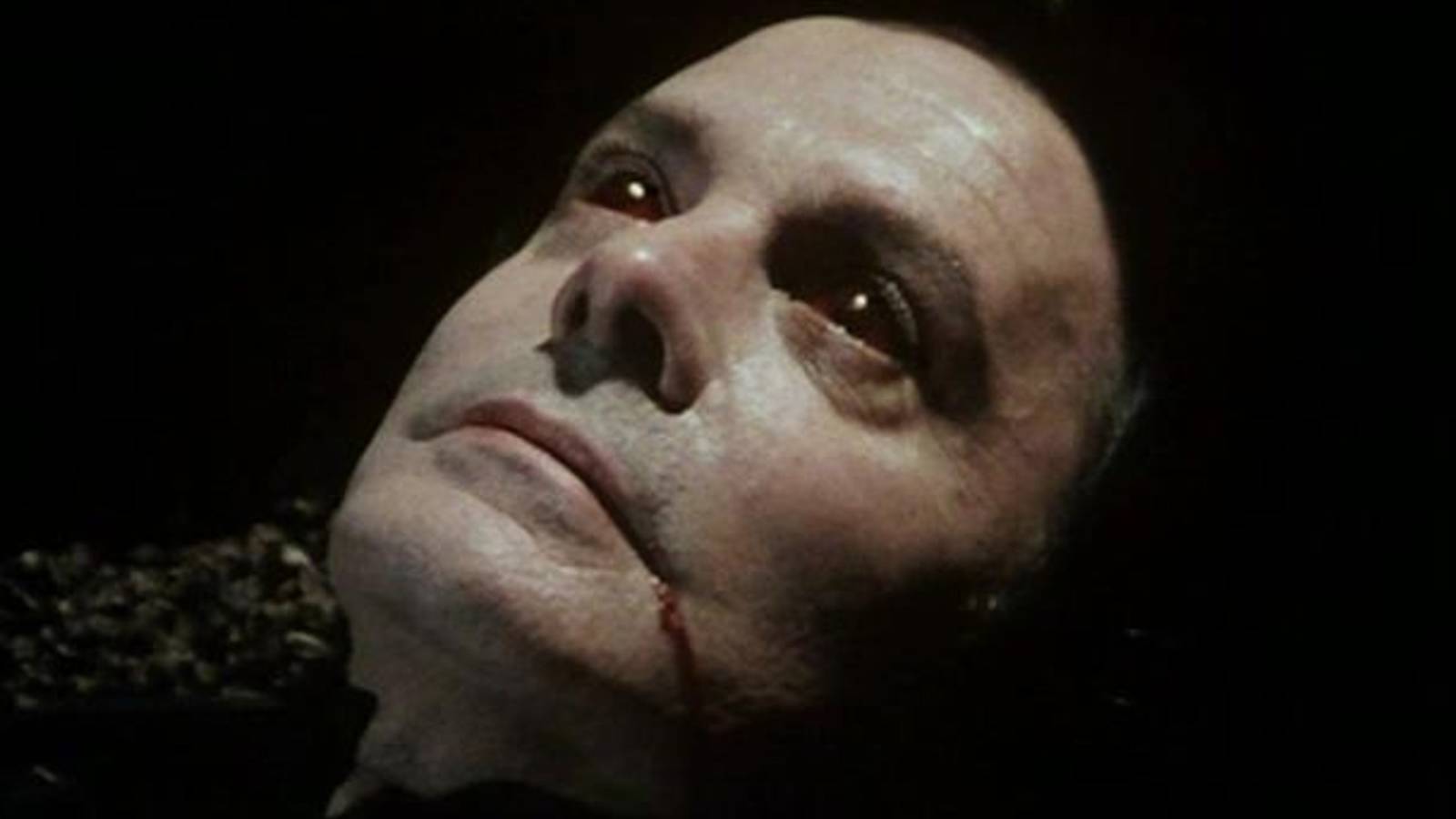
Published Oct 25, 2026, 3:00 AM EDT After 18 months at Screen Rant, Guy became Classic TV Editor in September 2026, and specializes in leading features content about shows from decades gone by. Having written for and editing several TV, film and music publications, his areas of expertise include comedy, crime, historical drama, Westerns, and political thrillers. Countless screen adaptations of Bram Stoker’s seminal horror novel Dracula have been produced across the last century of cinema and television, but not many have translated this literary masterpiece into a motion picture all that faithfully. Which of the various versions out there is your favorite ultimately comes down to personal taste. But one BBC version made by a directorial great stands apart from the rest as the most faithful rendering of Stoker’s work ever made. It’s an understated triumph, which mirrors the eerie atmosphere and classically Gothic sensibilities of the book to perfection. On this basis, Count Dracula even outdoes the greatest Dracula movies of all time. Louis Jourdan is no Bela Lugosi, Christopher Lee, or Francis Ford Coppola. But he’s the true embodiment of the title character in this 1977 TV adaptation, a gracious, well-mannered Transylvanian aristocrat who just happens to have a taste for human blood, and secretly a harem of undead brides. When discussing the different screen iterations of a story that’s so foundational to its genre, there’s a wide variety of criteria by which we could determine the best of them. Buffy the Vampire Slayer’s Dracula adaptation, for example, compares favorably to the BBC’s 1977 miniseries in some respects. But overall, this Louis Jourdan version is the closest any screen release has ever come to what Bram Stoker originally envisaged. The BBC’s 1977 Adaptation Of Dracula Is Better Than Any Movie It seems as though every year there is a new reinvention of Dracula across a variety of media. Nevertheless, the most ardent devotees to the original novel and its many reinterpretations always tend towards a handful of landmark movie releases that have defined its screen history. There’s the 1922 silent film Nosferatu: A Symphony of Horrors, which is a favorite of early-cinema enthusiasts. But even more celebrated are the three best-known Hollywood adaptations of the book, Tod Browning’s Dracula starring Bela Lugosi, 1958’s Horror of Dracula starring Christopher Lee, and, more recently, Bram Stoker's Dracula, directed by Francis Ford Coppola. While the Lugosi version is the archetypal cinematic landmark for the story, Christopher Lee’s 1958 Hammer production and Coppola’s 1992 reimagining are highly stylized in their own ways. However, none of these iterations capture the smoldering psychological horror or grounded period realism of the 1977 three-part miniseries Count Dracula. This TV adaptation is the most faithful rendering of Bram Stoker’s novel ever produced, featuring blood-curdling horror sequences and subtle details from the book that other screen versions either modify or leave out altogether. No Dracula movie has ever made such proficient use of real, live bats, either. Count Dracula Was Helmed By One Of Britain’s Greatest TV Directors It’s unsurprising that the BBC’s Count Dracula presents us with a realistic period rendering of Gothic Transylvania, and aims to follow the plot of Bram Stoker’s novel so closely, when we consider who directed the series. Philip Saville is most famous for directing the 1982 social-realist miniseries masterpiece Boys from the Blackstuff, which is widely considered one of the best British TV shows of all time. He also helmed The Life and Loves of a She-Devil, a romantic drama which won four BAFTA awards, and the 1987 TV biopic Mandela starring Danny Glover in the title role, which was widely acclaimed upon its release. Prior to these successes, Saville learned his trade directing episodes of the anthology series Armchair Theatre and The Wednesday Play, two early British prototypes for prestige television. He’s a genuine great in the pantheon of British directors, who deserves to be celebrated alongside contemporaries who ended up in Hollywood, such as John Schlesinger, Ken Russell, Richard Lester, and, of course, Ridley Scott. Count Dracula is an outstanding example of his naturalistic approach to direction, which is the most accurate translation of Bram Stoker ever brought to the screen. Release Date December 22, 1977 Network BBC One Directors Philip Saville Writers Gerald Savory Cast Frank Finlay Abraham van Helsing Louis Jourdan Count Dracula Susan Penhaligon Lucy Westenra Judi Bowker Wilhelmina Westenra
Dracula’s Best TV Adaptation Is So Good, It Outdoes Bela Lugosi, Christopher Lee & Francis Ford Coppola
Full Article
Original Source
Read the full article at Screenrant →KhanList aggregates and links to publicly available news content. We do not host full articles from third-party sources. Always verify important information with original sources.