
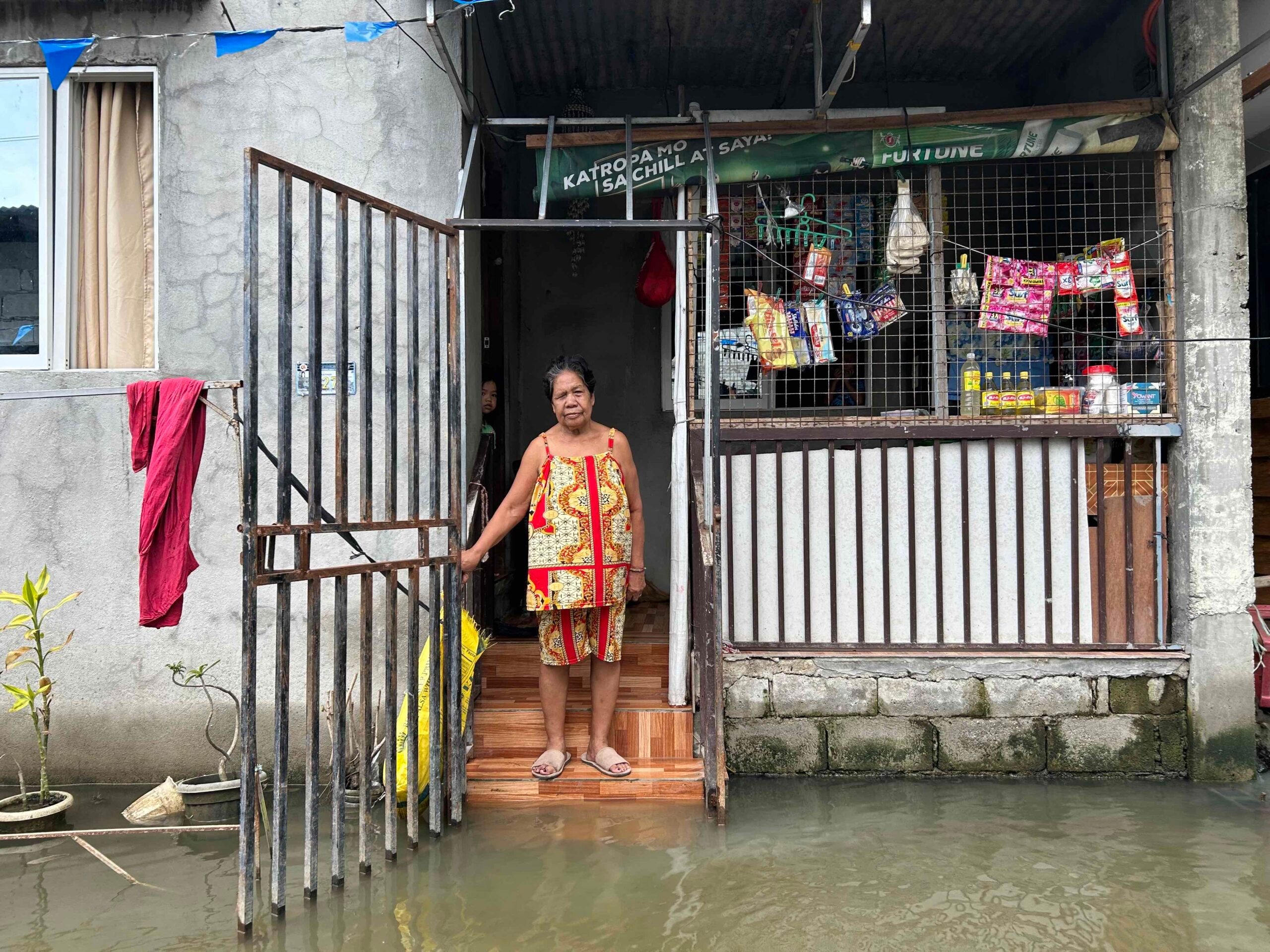
Photo courtesy of Human Rights Watch DPWH spends P150 million dredging an island in Macabebe, and permanently relocating its residents to a former fishpond that chronically floods Residents of Pulo Island in Pampanga were relocated for a flood control project but ended up in a more flood-prone area, facing significant hardships. Human Rights Watch criticized the authorities for not following proper standards in the relocation process, leading to intimidation and inadequate compensation for the displaced residents. The report highlights failures in the planned relocation process, including lack of meaningful consultation and oversight, amidst ongoing concerns about corruption in flood control projects in the Philippines. This is AI-generated. Read the article for full context. Report any errors. MANILA, Philippines – Residents of an island in Macabebe, Pampanga, were relocated to make way to a P150-million flood control work, only to end up in a site that chronically floods, international rights group Human Rights Watch (HRW) said in a new report about the Philippines. “The authorities responsible for moving the Pulo Island community did not follow national or international standards to protect affected people’s rights,” said HRW’s report published on Tuesday, October 13. The island of Pulo is located in the middle of the Pampanga river in Macabebe, Pampanga, which was home to 90 families before they were removed from there in 2022. That was when the Department of Public Works and Highways (DPWH) dredged the island as a flood mitigation program. According to HRW, the DPWH said it heeded the request of the former mayor of Macabebe to dredge the island, which had become a “danger area.” DPWH awarded the contracts to two separate private companies worth a combined P150 million. Most of the residents were not land owners on the island. The report found that the residents felt “intimidated” and “harassed” into demolishing their own homes, and into agreeing to move to a new site that eventually turned out to be a more flood-prone area. All photos are courtesy of Human Rights Watch The site, a former fishpond, is still right by the Pampanga river, located six feet below the road dike, and submerged in water coming from the river all year long. “They removed us [from Pulo Island], and they put us in a place where we feel we were thrown here like trash,” one of the residents said, as quoted by HRW. The residents could no longer plant crops, like they did on the island, and it has affected their everyday life from daily mobility to the unsanitary condition of wading through water everyday. Residents whose new houses were built without elevation are flooded from the inside frequently. One resident said, “I’m sick of it, so sick of it.” HRW’s newest report on planned relocations comes amid the Philippines’ so-called “trillion-peso” flood control corruption scandal that centers around the DPWH and local politicians. “The [DPWH] officials interviewed have not been implicated, nor did Human Rights Watch investigate corruption in the Pulo Island project,” the report said. “Communities in the Philippines living in flood-prone areas are already facing the consequences of climate change and shouldn’t have to suffer further from botched government relocations,” said Lian Buan, HRW’s Southeast Asia researcher. Planned relocations Planned relocation, according to the United Nations (UN), is a government-led program to move a group of people “to protect people from risks and impacts related to disasters and environmental change, including the effects of climate change.” ALSO ON RAPPLER Marcos promised a crackdown on flood control corruption. What happened a year later? Flood control corruption: How much money has been recovered so far? Flood control corruption: Senate blue ribbon panel’s partial findings, recommendations Flood control corruption cleanup spooks investors, drags PH growth – World Bank The UN has guidelines on how to implement a planned relocation, and the Philippines has adopted those largely in its own national resettlement policy framework. The guidelines, both of the UN and the Philippines, state that there should be meaningful consultation with the affected community, and that adequate information are given to them so they can consider their options carefully, and be involved in the process. The report found that while there were meetings with residents, their “concerns and questions about relocation were not given due consideration.” “We had no choice. People just arrived measuring our houses, our lands. We had no choice but to agree, because you can’t be left there,” the report quotes said Mary Grace Liguid, a resident. The residents were compensated for their houses, but the payment arrangement – 70% at first instance, and then the remaining 30% after submitting proof that the houses had been totally demolished – left the residents spending significant amounts of money on rent during transition. They were not compensated for their crops, even as HRW notes the UN guidelines state that relocated people have the right to be compensated for “other relinquished assets related to that land.” In the report, the projects’ engineers from the DPWH said the relocation site was selected by the local government unit, and that it was “an isolated case.” The report also quotes the Department of Human Settlements and Urban Development as saying that they were not tapped for the project, even though they are the lead agency to oversee relocations, resulting in a project “with no check and balance.” The Commission on Human Rights will conduct a fact-finding investigation, the report said. – Rappler.com How does this make you feel? Loading
DPWH project relocates Pampanga community to more flood-prone site – HRW
Full Article
Original Source
Read the full article at Rappler →KhanList aggregates and links to publicly available news content. We do not host full articles from third-party sources. Always verify important information with original sources.