
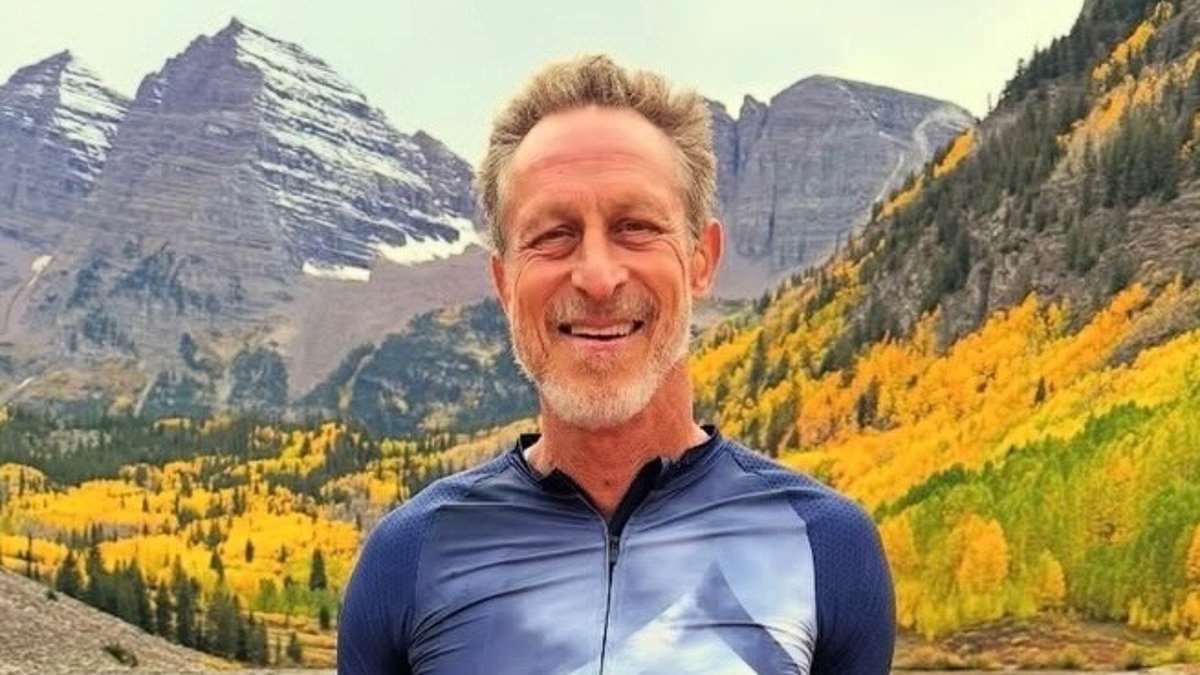
A 66-year-old doctor who claims to feel 40 years younger has revealed exactly what he eats in a day to support his longevity, from a vegetable-packed breakfast to dark chocolate after dinner.Dr Mark Hyman, an American physician and bestselling author known for his work in functional medicine, believes the foods people eat can have a profound influence on how their bodies age.Rather than focusing solely on calories, he encourages people to consider how different nutrients affect their metabolism, inflammation and long-term health.'What you eat is like code: it signals your body to turn on health genes or disease ones,' he explained in a post.The doctor, who recently celebrated his 66th birthday, shared a typical day's meals, explaining why he chooses particular ingredients and the benefits he believes they offer.His menu includes a vegetable scramble, green smoothie, substantial salad, homemade zucchini bread, and turmeric chicken with quinoa. And despite his emphasis on healthy eating, he still makes room for chocolate.Breakfast Dr Hyman begins his morning with a vegetable scramble made from three cage-free eggs, half a tomato, a quarter of an onion, a cup of spinach and half an avocado, cooked with a teaspoon of olive oil and seasoned with salt and pepper. A 66-year-old doctor who claims to feel 40 years younger has revealed exactly what he eats in a day to support his longevityThe combination provides protein from the eggs, fibre from the vegetables, and unsaturated fats from the avocado and olive oil.He pairs the meal with a green smoothie containing lemon, avocado, celery, spinach, parsley, coriander, cucumber, extra virgin olive oil, sea salt and water. According to Dr Hyman, the purpose of this breakfast is to consume a substantial amount of plant nutrients before the day has properly begun. 'Polyphenols and phytonutrients before 9am,' he said.Polyphenols and phytonutrients are naturally occurring compounds found in plant foods that have been studied for their antioxidant and anti-inflammatory properties, though consuming them does not guarantee protection against disease or slow biological ageing.LunchRather than a sandwich or takeaway meal, Dr Hyman prepares a large salad packed with red and yellow capsicums, zucchini, spring onions, radishes, avocado, red onion, fennel, mushrooms, rocket, cherry tomatoes and hemp seeds, combined with avocado oil and seasoning.He also describes his lunch as a 'big steak salad', pairing vegetables with a source of protein. Dr Mark Hyman, an American physician and bestselling author known for his work in functional medicine, believes the foods people eat can have a profound influence on how their bodies age Rather than a sandwich or takeaway meal, Dr Hyman prepares a large saladThe meal provides a variety of nutrients, including fibre, vitamins, minerals, and unsaturated fats.Dr Hyman said healthy fats are particularly important because they help the body absorb fat-soluble vitamins from vegetables. Vitamins A, D, E and K require dietary fat for effective absorption, meaning ingredients such as avocado and oil can help the body make use of certain nutrients in a salad.Eating a wide variety of vegetables also increases the range of plant compounds consumed, something Dr Hyman regularly emphasises in his approach to healthy ageing.Afternoon snackDr Hyman's afternoon snack is homemade rosemary zucchini bread, which he describes as a healthier alternative to conventional baked treats. His recipe combines grated zucchini, eggs, olive oil, almond flour, coconut flour, walnuts, fresh rosemary, pumpkin seeds, baking powder, and a small amount of maple syrup or honey, relying on almond and coconut flour instead of wheat flour.He highlights three ingredients: 'Rosemary for memory, olive oil for your heart, zucchini for fibre and vitamin A,' he explained. Rosemary contains plant compounds that have attracted scientific interest for their potential effects on cognition, though evidence that eating rosemary improves memory in humans remains limited. Olive oil, particularly when used in place of saturated fats, is associated with cardiovascular benefits, while zucchini adds fibre and nutrients. The walnuts and pumpkin seeds also provide additional unsaturated fats, minerals and some protein.DinnerDr Hyman finishes the day with a one-pan chicken and quinoa dish flavoured with turmeric, ginger, garlic and lime. The recipe uses bone-in chicken thighs, avocado oil, shallots, carrots, spring onions, garlic, chilli, turmeric, chicken stock, lime, capsicums, quinoa and light coconut milk.'Protein, beta carotene, vitamin C, and an anti-inflammatory power couple (turmeric + ginger),' he said.Carrots provide beta carotene, which the body can convert into vitamin A, while capsicums and lime contribute vitamin C. Dr Hyman finishes the day with a one-pan chicken and quinoa dish flavoured with turmeric, ginger, garlic and limeQuinoa adds fibre, minerals and additional protein, making the dish a substantial evening meal. Turmeric contains curcumin, and ginger contains bioactive compounds, both studied for anti-inflammatory effects, though the results of concentrated extracts or supplements cannot necessarily be assumed from the amounts used in everyday cooking.DessertDespite his carefully planned meals, Dr Hyman does not avoid dessert. He finishes the evening with dark chocolate, which contains cocoa polyphenols. He also pays attention to when he eats it: 'Always after fibre, protein and fat so the sugar absorbs slowly.' Eating carbohydrates alongside protein, fat and fibre can help moderate the speed of digestion and the resulting rise in blood glucose, though this depends on the meal as a whole, portion size, and the individual's metabolism.Dr Hyman's approach reflects growing interest in the relationship between diet and healthy ageing, particularly the potential benefits of eating more vegetables, fibre-rich foods and unsaturated fats.Research has consistently linked dietary patterns rich in plant foods, whole grains, nuts, and healthy fats with better cardiovascular and metabolic health. However Dr Hyman's meals also reflect his personal preferences and nutritional philosophy, rather than a universal prescription for longevity. Still, the underlying emphasis on dietary variety, minimally processed ingredients and balanced meals is consistent with established healthy eating advice.For the 66-year-old doctor, the aim is to make food choices that support his health as he grows older, while leaving room for the occasional sweet treat.
Doctor, 66, shares everything he eats in a day to feel 40 years younger - including his go-to zucchini bread for an afternoon snack: 'It's like a code'
Full Article
Original Source
Read the full article at Dailymail →KhanList aggregates and links to publicly available news content. We do not host full articles from third-party sources. Always verify important information with original sources.