
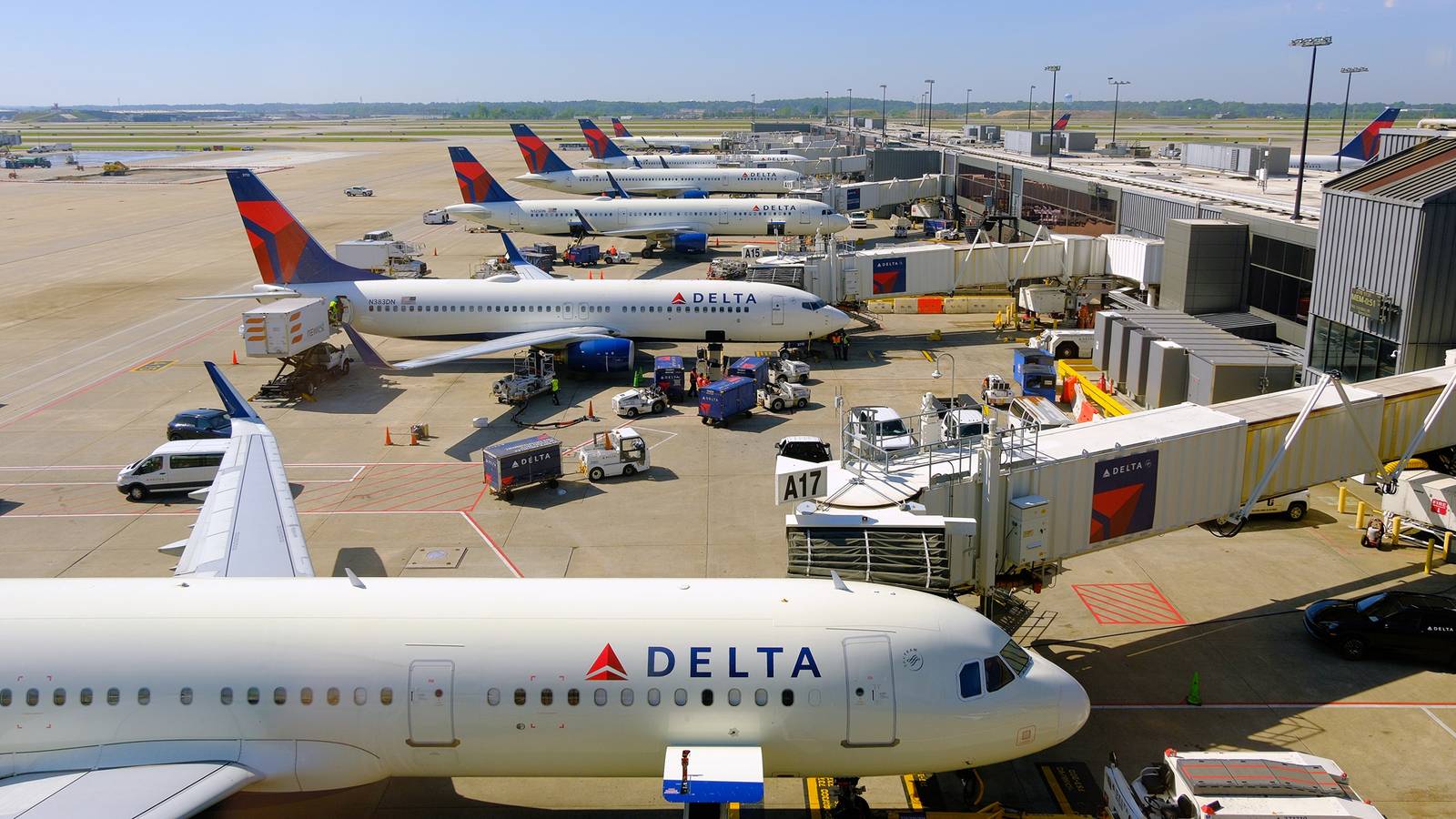
Published Nov 22, 2026, 3:14 PM EST Jack comes to Simple Flying with a lifelong interest in all things aviation. He holds a degree in Aerospace Engineering from Georgia Tech, and is a certified private and remote pilot. Beyond these experiences, Jack previously worked for a corporate flight department where he gained first-hand experience in the world of business aviation. Currently, Jack works in the professional services industry and continues to build his flight hours outside of work. A Delta Air Lines first officer on new-hire training reportedly lost his job after answering his cellphone while the aircraft was taxiing for departure, according to an account shared on the Black Box Aviation Podcast. The captain is said to have returned to the gate rather than continue to the runway, and the first officer was removed from the aircraft and later dismissed. The account remains unverified, since Delta has not confirmed it and the podcast supplied no flight number or date, leaving open when the episode occurred and whether it unfolded as described. The podcast’s social post places the incident in Atlanta and calls it the new hire’s first trip on the line. "They were taxing out on his IOE ... and his phone rang. He answered, while the captain taxied. Captain goes back to the gate, has him removed, and he got fired." - Black Box Aviation Podcast (39:22) Why Taxiing Counts As A Critical Phase Federal rules treat taxi as a critical phase of flight, since the 1981 sterile cockpit rule, now found in 14 CFR 121.542, bars the pilot in command from permitting any activity that could distract flight crew members during taxi, takeoff, landing, and other operations below 10,000 feet except cruise. Congress made personal device use at the duty station unlawful for Part 121 flight crew members in the FAA Modernization and Reform Act of 2012, and the FAA’s 2014 final rule extended the prohibition on personal wireless devices to every phase of flight. The rule was prompted in part by NTSB recommendations after the 2009 Colgan accident and by taxi-phase incidents the FAA cited when announcing it. The 1981 rule, as the FAA noted in 2014, in effect extends the same attention requirement to other crew members, such as flight attendants. The NTSB has separately urged operators to avoid nonoperational use of personal electronic devices whenever the sterile cockpit applies. The ban is not absolute, since FAA guidance applies the ban whether the device belongs to the pilot or the airline, permits use under FAA-approved procedures such as electronic flight bags, and exempts a person on a jumpseat. The prohibition took effect April 14, 2014. An ordinary personal call falls outside those exceptions, so the question in a case like this is less about the rule than about how an airline responds to a breach. Training Status And The Employment Impact Credit: Vadim Rodnev | Shutterstock New hires at airlines complete Initial Operating Experience (IOE), flying actual trips under a check pilot while learning to apply the carrier’s procedures, even when they arrive with substantial experience elsewhere. The supervised setting raises the stakes of a lapse, and Live And Let’s Fly argues that training is precisely when a new hire should show he can be trusted to follow procedures. Because IOE flying is supervised by a check pilot, the captain’s report of the event would likely carry evaluative weight, though the sources do not describe who recommended dismissal. The dismissal itself is harder to assess, because the sources do not say whether the first officer had earlier concerns on record, what he told the captain, or what Delta’s probationary terms provide. While it is not unusual to be more forgiving of training errors, an answered call during a taxi is a serious lapse in judgment. The author of the Live And Let's Fly article acknowledges that returning to the gate inconveniences passengers, but says he would rather accept a delay than have a captain continue after losing confidence in the person beside him. Returning to the gate is the conservative response in any case, since it removes doubt about crew attention before the aircraft reaches the runway, consistent with the rule’s emphasis on focus during taxi. How Much Weight The Story Bears Credit: SNEHIT PHOTO | Shutterstock The episode formed part of a broader podcast discussion of flight-deck distractions and the consequences of using personal phones at work. Live And Let’s Fly notes that stories of pilots answering phones on the job have circulated in online forums for many years, which is a reason for caution before treating this account as a documented event. Nothing available yet shows an FAA investigation, a Delta statement, or a record of the dismissal.
Delta Trainee Co-Pilot Reportedly Loses Job After Picking Up His Phone Mid-Taxi
Full Article
Original Source
Read the full article at Simpleflying →KhanList aggregates and links to publicly available news content. We do not host full articles from third-party sources. Always verify important information with original sources.