
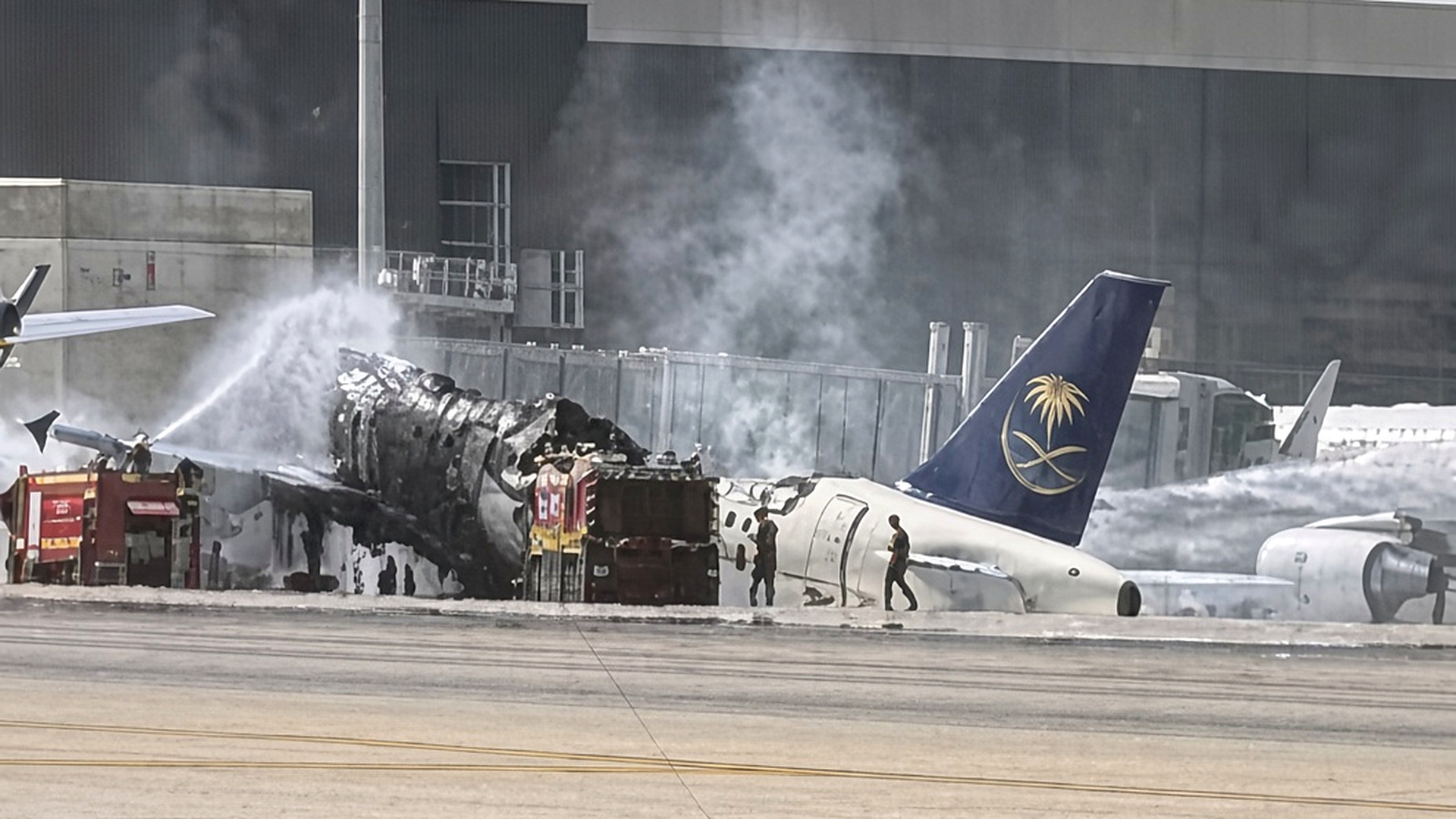
Delta Air Lines is scheduled to start flying to Riyadh, Saudi Arabia in two weeks. Its own corporate security team is warning employees not to travel there. According to aviation watchdog JonNYC, Delta has issued an alert about the threat there advising employees against travel to Riyadh October 8–12. The airline’s announced launch date is October 23. This comes after attacks on the city’s airport killed three people and damaged a Saudia aircraft on the ground. Delta corporate security issuing an "active threat alert"/ do not travel advisory to Riyadh to it’s employees for 8th-12th October. — JonNYC (@xJonNYC) October 9, 2026 CEO Ed Bastian said Friday that “Safety is going to make the call” and that customers would hear a decision soon. So the launch is still scheduled, but it isn’t assured. Delta’s August promotional feature calls the route “The Kingdom is Calling” and includes sightseeing and dining suggestions under “Recommended by Delta people.” Three People Killed At The Airport Delta Plans To Serve Saudi Arabia’s aviation authority says there were two attacks at King Khalid International Airport on Thursday, October 8: one targeted airport facilities, the other a Saudia aircraft. Three Saudi citizens were killed and others suffered injuries ranging from minor to serious. Saudia identified one of those killed as Captain Hamoud Ali Alkalthami. The airline says there were no passengers aboard the damaged aircraft. The Houthis claimed responsibility for striking the airport. BREAKING: Footage shows a Saudia Airbus A320-200 narrow-body airliner being hit while parked at Riyadh Airport, Saudi Arabia, in a successful one-way attack drone strike by Houthi terrorists. https://t.co/WuFWKH0hvF — Babak Taghvaee – The Crisis Watch (@BabakTaghvaee1) October 8, 2026 Lufthansa Group suspended Riyadh flights through October 16, while Air India, IndiGo and Akasa Air also announced cancellations. Delta Has Admitted To Disappointing Ticket Sales It’s unclear that anyone credibly believed this flight would sell well. It’s clearly about the subsidies from partnering with state-backed Riyadh Air. Nonetheless, Delta president Peter Carter admitted in July that sales were “softer than anticipated” because of the Iran conflict. He expected that to be temporary. He also described Riyadh as “the regional safe haven.” Okey dokey. According to IATA, passenger traffic at Middle Eastern carriers fell 14.6% in August compared with a year earlier. Delta plans to use an Airbus A350-900, flying daily October 23–30 before dropping to three flights a week. They’ll have feed in Atlanta, and there’s some business travel to Saudi Arabia and potential for cargo plus onward connections with Riyadh Air. But this was never a route that was going to survive on standalone economics. We don’t know the exact financial terms behind Delta’s partnership with Riyadh Air, and how much Saudi support is attached to the route. A large enough subsidy or revenue guarantee could make this a good deal for Delta even if nobody buys tickets. It’s buying Saudi Arabia a U.S. airline’s commitment to the country and its new airline. Delta Spent Years Trying To Stop Subsidized Gulf Flights Delta led American and United in a years-long campaign to restrict flights by Emirates, Etihad and Qatar Airways. They argued that government subsidies made competition unfair and wanted Washington to limit the flights those airlines could offer despite U.S. treaties promising Open Skies. That effort failed. I’ve documented Delta’s selective objections to subsidies for years. Their own benefits include assistance for their oil refinery and roughly $8.5 billion in federal pandemic payroll grants. And when Bastian tried to explain why the Saudi partnership was different, he leaned on Saudi Arabia’s larger home market. Delta was happy to attack government backing for competing hubs while building partnerships around connections through Amsterdam and Seoul. (Dubai of course is a bigger travel destination than Riyadh.) Delta’s position has always been that subsidies are bad when someone else benefits, and good when Delta benefits. The Riyadh arrangement is entirely consistent with that. If the Saudi financial support isn’t enough to make this route compelling, I’d expect Delta to use the attacks to at least postpone the launch. They can preserve the partnership, promise to return when conditions improve, and avoid starting an expensive flight into a market that’s selling poorly. Topics on this page
Delta Plans Riyadh Flight Launch In 2 Weeks—While Warning Its Own Employees Not To Travel There
Full Article
Original Source
Read the full article at Viewfromthewing →KhanList aggregates and links to publicly available news content. We do not host full articles from third-party sources. Always verify important information with original sources.