
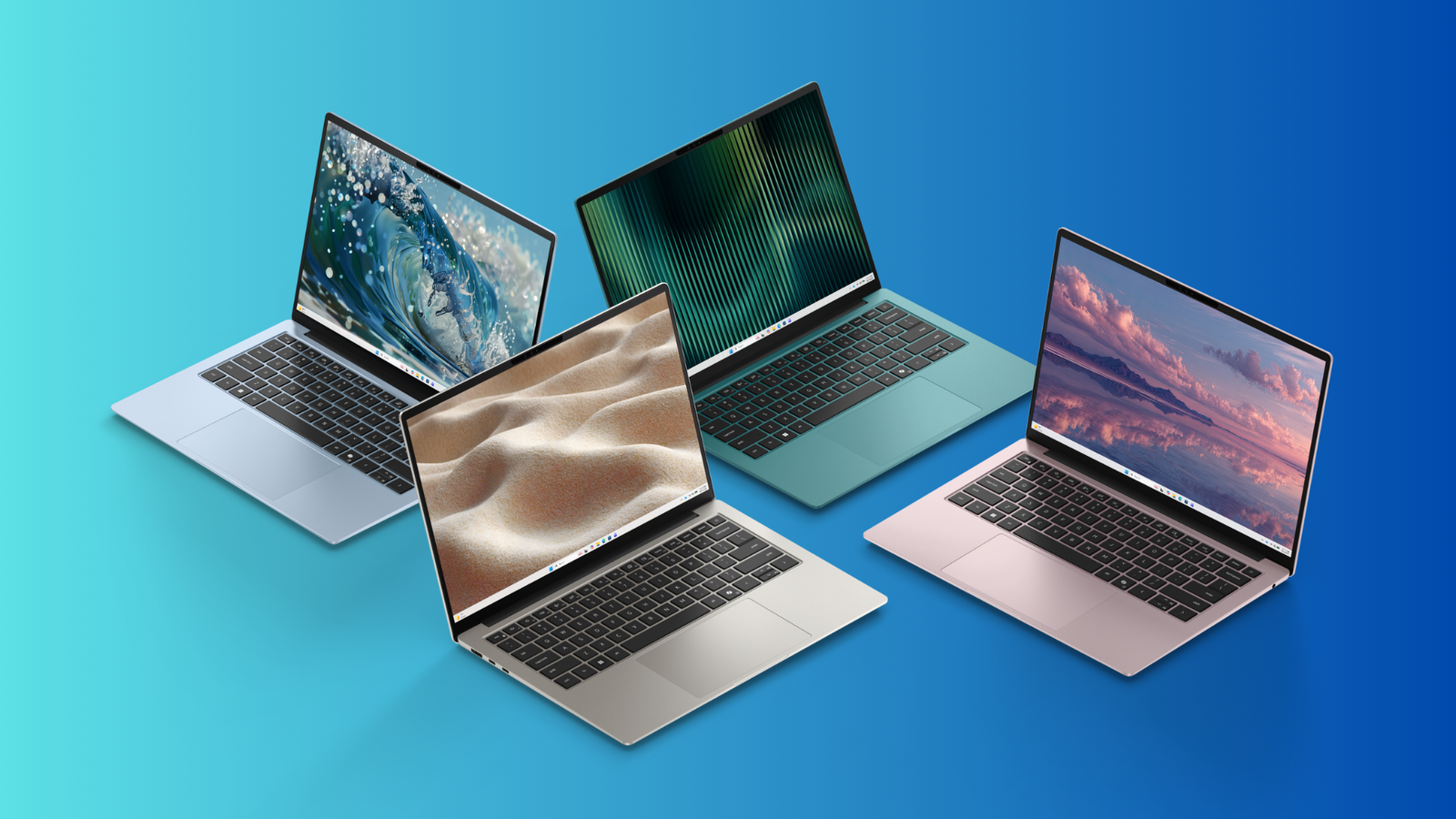
Published Sep 2, 2026, 3:00 AM EDT Mahnoor Faisal is a tech journalist covering AI and productivity tools with bylines at XDA, SlashGear, MakeUseOf, Laptop Mag, and Android Police. She's been writing professionally since she was sixteen, and has since penned hundreds of articles. This includes in-depth coverage of AI tools like NotebookLM to breaking news across the AI space. Her passion for technology started when she received her first iPod Touch (4th generation) on her 8th birthday, and she's been deep in the tech world ever since. Currently pursuing a degree in computer science, Mahnoor brings both a journalist's eye and a technical foundation to her coverage of how AI is reshaping the way we work and learn. Dell has begun its IFA announcements with another version of the 14S, just a few months after the DS14260 made its debut earlier this year. Interestingly, rather than trying to one-up its predecessor with more premium specifications, Dell seems to have gone in the opposite direction with the new DS14270. However, that might not be a bad thing. Dell appears to be trading some of those premium specs for the things students may actually care more about in an everyday laptop. Dell is focusing on the things students will notice every day It's built around what students actually need Credit: Dell For starters, the new model weighs around 2.5 lbs (equivalent to 1.15kg) and measures just 12.21mm to 13.5mm thick, while still using an aluminum chassis. That’s a pretty noticeable change from the previous 14S, which started at around 1.49kg and measured roughly 15.3mm thick. In other words, Dell has shaved about 300g (or roughly 21%) off the starting weight, while making the laptop slimmer at the same time. The 14S is available with either a 14-inch 2K 60Hz panel of a sharper 2.8K display with a 120Hz refresh rate. Both use a taller 16:10 aspect ratio, which gives you a bit more vertical space for documents, webpages, and everything else students tend to spend their day staring at. Under the hood, you can choose between Intel’s Core 5 320 and Core 7 350 Series 3 processors. Dell is also putting a surprising amount of emphasis on the 14s's new battery. The new model uses a higher-density cell that the company says runs cooler under load and retains its capacity over time. Despite the relatively modest 61.2Wh capacity, Dell claims the laptop can manage up to 21 hours of Netflix streaming on a charge. And for the students who view their technology as a means of expressing themselves (I do too), Dell is leaning much harder into color this time around. The new 14s comes in four finishes: Linen, Dusty Rose, Washed Denim, and Velvet Green. Dell describes this as a deliberate return to more expressive design across its consumer lineup. None of those things are going to make the 14S the most powerful laptop in Dell's lineup. But for a student carrying it around campus all day, I'd argue that shaving hundreds of grams off the weight, keeping the battery going for longer, and having a laptop that actually feels a little personal could matter a lot more than having Thunderbolt 4 or a much more capable NPU. Dell had to make some compromises to get here Something had to give Credit: Dell Of course, making the 14s lighter and potentially more affordable has meant cutting back in a few places. Compared to its predecessor, the differences in the base configuration are hard to miss. The previous 14S started with a Core Ultra 5 processor, 16GB of RAM, and 512GB of storage. This new model instead starts with an Intel Core 5 320 Series 3 processor, 8GB of RAM, and a 256GB SSD. The NPU takes a particularly noticeable hit too, dropping from 46 TOPS on the Core Ultra 5 322 to just 16 TOPS on the Core 5 320. Dell has pared back the connectivity as well. Thunderbolt 4 is gone in favor of two 10Gbps USB-C ports, while Wi-Fi 7 has been replaced with Wi-Fi 6 or Wi-Fi 6E depending on the configuration. The battery itself is smaller too, dropping from 70Wh to 61.2Wh, although Dell's claimed battery life suggests that doesn't necessarily translate into worse endurance. When you look at all of the above individually, it does certainly seem like a lot's been given up for little in return. It also makes you wonder why you wouldn't just get the XPS 13 instead, especially when Dell already positions it as its more premium ultraportable for students and young professionals. That question is exactly why Dell's framing of the 14S matters. The company describes it as a more accessible everyday laptop that complements the XPS 13 rather than competes with it directly. The price is unfortunately still a mystery The frustrating bit is that Dell hasn't announced how much the new 14S will cost yet. The company has only mentioned that the 14S will be available later this fall, with pricing to be revealed closer to availability. That said, it has hinted that it will be “complementary to the XPS 13 and accessible for students and young adults globally.” Given the XPS 13 starts at $699 while the 14S’s predecessor began at around $1,269, that wording makes me think Dell is aiming for a much lower starting price this time around. When you consider just how much Dell has dialed back the base configuration compared to the predecessor and the fact that it houses the same processor as the XPS, a noticeably lower starting price starts to feel like the most logical explanation for where Dell is taking the new 14S!
Dell's new laptop trades premium specs for what students might actually care about
Full Article
Original Source
Read the full article at Xda-developers →KhanList aggregates and links to publicly available news content. We do not host full articles from third-party sources. Always verify important information with original sources.