
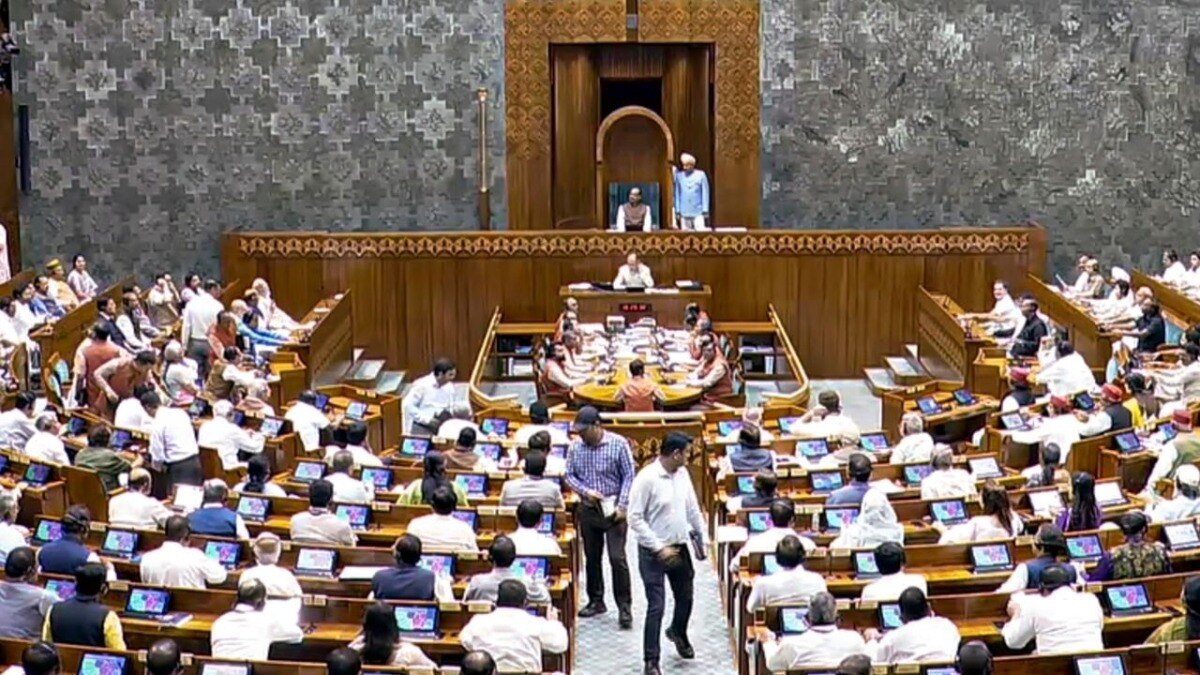
The NDA is 40 MPs short of a two-thirds majority for the delimitation-linked women's reservation Bill. Here's how regional parties could change the numbers.The two Houses of Parliament are set to resume sittings on November 30 and December 2, respectively (File Photo: PTI)New Delhi,Nov 27, 2026 01:05 ISTThe BJP-led NDA faces a fresh numbers challenge as speculation grows over the government's plan to revive the delimitation-linked women's reservation Bill during the proposed special sitting of Parliament. While the ruling alliance has an estimated 320 MPs in the Lok Sabha, its ability to secure the required two-thirds majority could depend on the positions of the DMK, NCP (Sharadchandra Pawar) and YSR Congress Party.The Lok Sabha has a sanctioned strength of 543 members, with three vacancies leaving its current strength at 540. If all 540 members vote, the government would need 360 votes to pass the Constitution Amendment Bill.The NDA currently has 320 MPs, leaving it 40 short of the required number. However, the voting threshold could change depending on how many MPs are present and vote.Three possible scenarios illustrate the numbers challenge facing the government. NDA'S STRENGTH: 320 MPsThe BJP, with 241 MPs, is the largest constituent of the ruling alliance. The remaining 79 MPs come from its allies.The NDA's numbers include: BJP: 241National Citizens Party of India (NCPI): 20Telugu Desam Party (TDP): 16Shiv Sena: 13Janata Dal (United): 12Lok Janshakti Party (Ram Vilas): 5Rashtriya Lok Dal (RLD): 2Janata Samajwadi Party (JSP): 2Janata Dal (Secular): 2NCP, Shiromani Akali Dal, AGP, AJSU, Apna Dal (S), HAM and SKM: 1 eachTotal NDA strength: 320SCENARIO 1: DMK, NCP (SP) AND YSRCP SUPPORT THE BILLIf all three parties back the legislation, their combined strength of 34 MPs would take the NDA's tally to 354.NDA: 320DMK: 22NCP (Sharadchandra Pawar): 8YSR Congress Party: 4Total: 354Even with the support of all three parties, the government would remain six votes short of the 360 required if all 540 members vote.SCENARIO 2: DMK STAYS AWAY, NCP (SP) AND YSRCP SUPPORT THE BILLIf the DMK's 22 MPs remain absent while the NCP (SP) and YSRCP back the legislation, the government could secure 332 votes, including the support of the two regional parties.With 22 DMK MPs absent, the number of members voting could fall to 518. The two-thirds threshold would then be 346 votes if all remaining members vote.The government would still need 14 additional votes.SCENARIO 3: DMK AND NCP (SP) STAY AWAYIf both the DMK and NCP (SP) abstain, while the YSRCP supports the Bill, the NDA's tally would rise to 324.With 30 MPs from the DMK and NCP (SP) staying away, the number of members voting could fall to 510. The two-thirds requirement would then be 340 votes.The NDA would remain 16 votes short.WHY REGIONAL PARTIES MATTERThe three scenarios underline the importance of regional parties in the government's attempt to secure the numbers for the constitutional amendment.The DMK has 22 Lok Sabha MPs, while the NCP (Sharadchandra Pawar) has eight and the YSRCP has four. Their support or absence could influence the voting threshold and the government's chances of passing the legislation.The proposed amendment seeks to link the implementation of the 33 per cent reservation for women in the Lok Sabha and state assemblies to delimitation and an expansion of the Lower House.The government is expected to take up the issue ahead of the proposed special sitting of Parliament, with the Lok Sabha scheduled to reconvene on November 30 and the Rajya Sabha on December 2.The central question is whether the NDA can secure enough support, either through additional votes or a lower voting threshold resulting from opposition abstentions, to pass the constitutional amendment.WHAT HAPPENED DURING THE APRIL VOTE?The numbers challenge comes after the Constitution (131st Amendment) Bill was defeated in the Lok Sabha on April 17.Of the 528 MPs who voted, 298 supported the Bill, and 230 opposed it. The government needed 352 votes to secure a two-thirds majority but fell short by 54 votes.The April legislative package sought to expand the Lok Sabha and implement 33 per cent reservation for women in the Lower House and state assemblies through a fresh delimitation exercise.Parliament passed the women's reservation law in 2023, linking its implementation to delimitation after the publication of figures from the first Census conducted after the law came into force.PARLIAMENT TO RECONVENE FROM NOVEMBER 30The numbers have returned to focus after Parliamentary Affairs Minister Kiren Rijiju announced on Thursday that the government had requested the Lok Sabha to reconvene on November 30 and the Rajya Sabha on December 2 to transact essential government business.The sittings could conclude on December 3, depending on the business before the Houses, he said.The proposed sittings will be an extension of the Monsoon Session. Parliament was adjourned sine die on August 13 but has not been prorogued.The agenda for the proposed sitting has not been announced, but speculation over a fresh attempt to pass the delimitation-linked women's reservation legislation has intensified.- Ends
Delimitation, women's quota buzz puts NDA's majority arithmetic to test
Full Article
Original Source
Read the full article at Indiatoday →KhanList aggregates and links to publicly available news content. We do not host full articles from third-party sources. Always verify important information with original sources.