
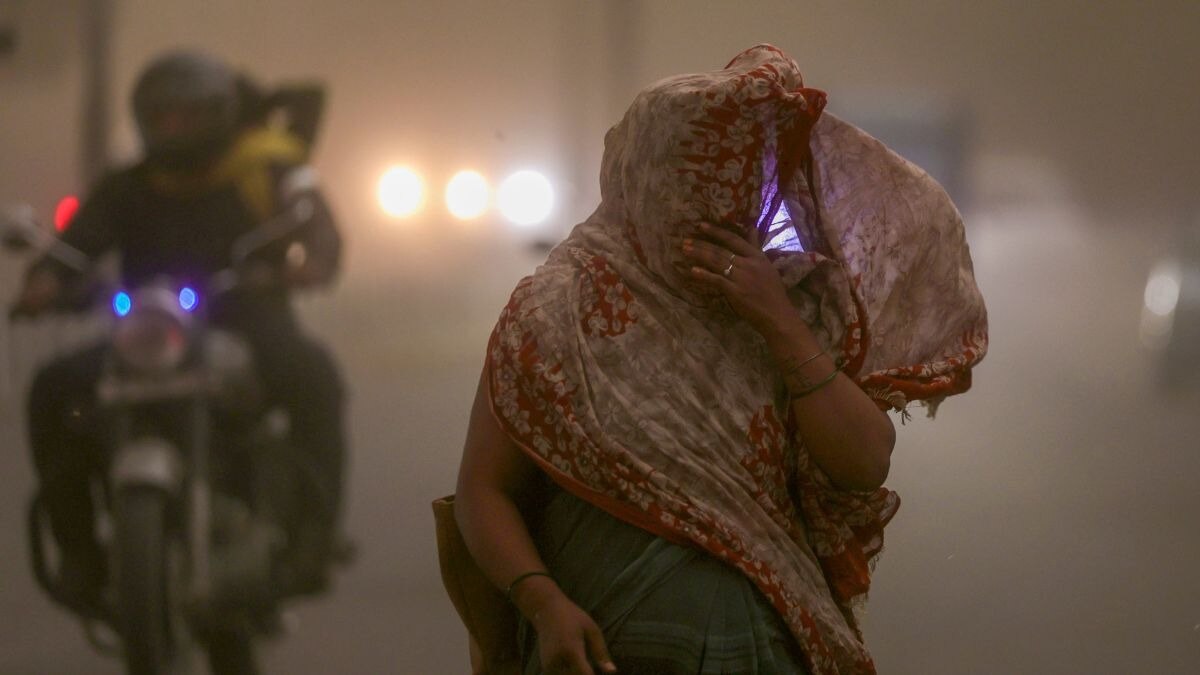
A LocalCircles survey of 20,761 residents found that construction activity was the most commonly cited cause of rising air pollution in Delhi NCR. Garbage burning, road dust and stubble burning in neighbouring states were also identified as major contributors, highlighting the need for stricter enforcement throughout the year.Construction dust tops NCR pollution concerns (Photo: PTI)New Delhi,Oct 15, 2026 10:22 ISTAir pollution in Delhi NCR is once again becoming a major concern as air quality deteriorates across the region ahead of Diwali. While stubble burning in neighbouring states often draws attention during the winter pollution season, residents believe that several local sources are also contributing to the worsening situation. Construction activity, garbage burning and dust from roads have emerged as key concerns, according to a new survey by community platform LocalCircles.The survey received 20,761 responses from residents of Delhi, Noida, Ghaziabad, Gurugram and Faridabad. Nearly eight in 10 respondents identified construction activity as a major reason for rising pollution. Meanwhile, 64% pointed to garbage burning in cities, and an equal proportion cited road dust and manual sweeping. Stubble burning in Punjab, Haryana and Uttar Pradesh was identified by 57% of respondents as another important contributor.The findings come at a time when the Air Quality Index (AQI) has touched 350 in several parts of Delhi NCR, according to the survey report dated October 14. Authorities have announced several measures to control pollution, including road cleaning, dust suppression and stricter monitoring of construction sites. However, concerns remain about whether these steps will be implemented effectively and consistently.CONSTRUCTION ACTIVITY EMERGES AS THE BIGGEST CONCERNConstruction activity was the most commonly cited source of pollution in the LocalCircles survey, with 79% of respondents identifying it as a contributor to deteriorating air quality. Construction and demolition work can release dust and fine particles into the air, particularly when sites do not follow dust control measures. Uncovered construction materials, exposed soil and debris left on roads can add to the problem. The movement of heavy vehicles around construction sites can also contribute to dust pollution.The Commission for Air Quality Management (CAQM) directed the Municipal Corporation of Delhi on October 12 to clear accumulated road dust, garbage and construction and demolition waste from roads, medians and open spaces across all 12 zones by October 31. The direction highlights the importance of managing pollution sources within the city rather than focusing only on seasonal factors such as farm fires. Delhi NCR pollution survey: 79% blame construction dust, 64% cite garbage burning GARBAGE BURNING AND ROAD DUST ADD TO POLLUTIONGarbage burning and road dust were each identified by 64% of survey respondents as major contributors to rising pollution.Delhi generates around 11,000 to 14,000 tonnes of municipal solid waste every day, according to the report. Despite a ban on open garbage burning, waste continues to be burnt in some areas. Recorded incidents of garbage burning increased from 3,511 in 2023 to 4,933 in 2024.Burning waste can release harmful pollutants into the air. Road dust can also become airborne when vehicles move over dusty surfaces, while inadequate cleaning and damaged road edges can add to the problem.The report noted that the Municipal Corporation of Delhi relies on around 57,000 sanitation workers to sweep 6,127 kilometres of roads manually. Its 66 mechanical sweepers collect approximately 180 tonnes of dust daily.These figures point to the scale of the challenge and the need for better waste collection, regular mechanical sweeping and stricter action against open burning.STUBBLE BURNING REMAINS A CONCERN, BUT IS NOT THE ONLY FACTORStubble burning in neighbouring states was cited by 57% of respondents as a cause of rising air pollution. Farmers sometimes burn crop residue after harvesting to clear fields for the next crop, releasing smoke and particulate matter into the atmosphere.However, the report cautioned against treating farm fires as the sole explanation for Delhi's pollution. A Centre for Science and Environment analysis of the previous winter found that farm fires contributed less than 5% of Delhi's pollution on most early winter days. Their contribution briefly peaked at 22% in mid-November.The survey also found that 50% of respondents cited industrial emissions, while 36% pointed to motor vehicle emissions. Another 14% identified other factors. Respondents could select multiple options.These findings suggest that pollution control efforts need to address several sources simultaneously, including transport, industries, construction sites and waste management.GOVERNMENT ANNOUNCES MEASURES TO CONTROL AIR POLLUTIONThe Delhi government announced its Winter Action Plan for 2026-27 on September 28. The measures include restrictions on dust-generating demolition and outdoor civil construction from November 1 to January 31, with a complete halt planned from December 10 to January 20.The plan also includes work-from-home measures, additional electric buses, enforcement teams and restrictions on the entry of certain non-BS-VI vehicles registered outside Delhi from November 1.Other measures include 100 crore for 1,000 truck-mounted anti-smog guns and 30 electric sweepers to clean smaller roads. On October 10, the government said it had deployed 1,150 mist-spray units, 608 anti-smog guns at construction and demolition sites, 156 anti-smog guns on high-rise buildings and 95 mechanised road sweepers.However, the report raised concerns about the effectiveness and reach of some interventions. It noted that the planned anti-smog guns would cover only Public Works Department roads wider than 18 metres, accounting for around 4% of Delhi's road network. It also highlighted the limited use of funds received under the National Clean Air Programme.YEAR ROUND ENFORCEMENT REMAINS THE KEY CHALLENGEThe survey findings highlight the gap between announcing pollution control measures and implementing them on the ground. Dust control at construction sites, regular road cleaning, proper waste collection and action against open garbage burning require consistent monitoring.The report called for daily enforcement of construction dust rules, wider use of mechanical road sweeping, faster waste clearance and penalties for those who burn garbage. It also recommended greater use of allocated clean air funds and public reporting of compliance with pollution control directions.Coordination between Delhi, neighbouring NCR cities and states such as Punjab, Haryana and Uttar Pradesh will also be important in addressing pollution from both local sources and farm fires.With air quality deteriorating ahead of Diwali, the findings underline the need for sustained action beyond the winter season. Controlling construction dust, road dust, garbage burning, vehicle emissions and industrial pollution will be essential if Delhi NCR is to achieve a lasting improvement in air quality.- Ends
Delhi NCR AQI hits 350, 79% residents identify biggest cause of pollution
Full Article
Original Source
Read the full article at Indiatoday →KhanList aggregates and links to publicly available news content. We do not host full articles from third-party sources. Always verify important information with original sources.