
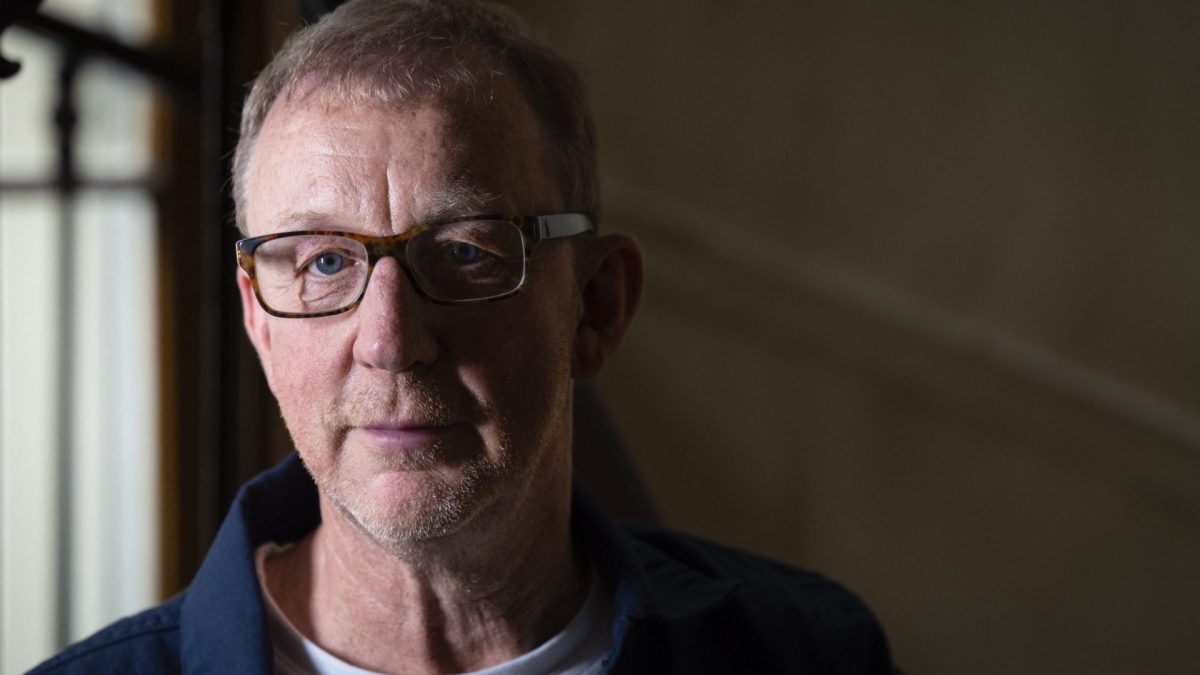
Dave Rowntree, 62, is a musician best known as the drummer in Blur, which formed in 1988 with Damon Albarn, Alex James and Graham Coxon, and became one of the defining British bands of the 90s. Away from the band, he has worked as a criminal solicitor and qualified as a pilot. He has been with his partner, Michelle, for 22 years. His photography book No One You Know: Dave Rowntree’s Early Blur Photos was published last year, and he brings a spoken-word show based on it to the Edinburgh Fringe this month. Here, he looks back at the moments that shaped him, from surviving an alcoholic and drug-addicted household to representing suspects in Essex police stations, and discovering the knickers stop arriving once a band leaves its twenties. I grew up in a turbulent, dangerous household. I never knew what would happen next. One family member was an alcoholic, another a drug addict and dealer. The front door might be kicked in by rival dealers. It was chaos, and I got out of the house as often as possible. I don’t want to make my whole life about it, but it explains a lot about what came next. Music, photography and astronomy saved my life. Music gave me focus, peace and somewhere else to be. Photography got me outside my own head by making me concentrate on the world beyond myself. Astronomy did something similar. When you realise we are specks of dust in an unremarkable corner of an average galaxy, your problems become easier to place. Alex and I nerded out about astronomy from the beginning of Blur. I am now halfway through an Open University astronomy degree. I have always needed to learn: I became a pilot, studied law, built radios and now photograph the night sky. Standing still has never suited me. Shorts I thought Blur would get 15 minutes of fame. I wanted to remember every second. The idea that our deeply unfashionable band would amount to anything was a running joke. I knew I would remember the gigs; what I might forget was how it felt in dressing rooms, travelling and doing the ordinary work of being in a band. So I took hundreds of photographs. Then the musical landscape shifted and the outliers became the mainstream. That happens once in a generation, and it happened to us. I get recognised once or twice a day, but I can use the Blur card to get an interesting meeting without having people outside my front door. Damon has had people camping outside his house since 1990. Thank God he likes it. Being the drummer means I have always had the best version of fame. Outside a music-related context, I can walk around relatively unmolested. I have always been shockingly healthy physically and shockingly unhealthy mentally. Bands are refuges for people who struggle to fit into ordinary society, but also the least healthy places they could end up. In 1990, struggling with your mental health was not something you brought up at a band meeting. When everything came on top of me, I had no idea where to turn. Stopping drinking was the beginning of me turning a corner. The lifestyle was taking a huge toll on my mental health and I could not carry on. Things are better now: back then, you were surrounded by excess and expected to treat it as normal. I had a midlife crisis in my forties and decided I had wasted my life hitting things. Graham had left Blur [in 2002] and the band had fizzled out. Over lunch, I told a solicitor friend that his work must be more worthwhile because he looked people in the eye and solved their problems. It was ridiculous, especially when music had saved my life, but midlife crises happen to everyone. Most solicitors want to become rock stars; I did it the other way round. My friend told me to spend two weeks at the Old Bailey. I found myself inside extraordinary dramas with real consequences and loved it. Then I spent a week at an East End criminal firm, visiting courts, prisons and police stations. Somebody had just left, so I sat at their desk and never went away. Once Blur became full-time again, I had to choose. It was not really a decision. The knickers stopped arriving once we left our twenties. There was a depressing phase when young people said: “My dad likes you.” Now they are discovering Blur for themselves, which is much more acceptable. I have only had two girlfriends in my life. Both relationships lasted decades. That is about as lucky as you can be. I have never had to go on Tinder, which looks like my worst nightmare: examining someone on a screen and sending messages. Michelle and I have been together for 22 years. Being the drummer in Blur is the secret to a happy relationship. I recommend it to everyone. Michelle and I met at the Music Managers Forum Awards, which was then the most boring ceremony in an industry full of boring ceremonies. The managers got drunk and used their speeches to slag off one another. Across the room was a blonde woman with extraordinarily long legs. I asked a friend for an introduction, and we are still together. I now help with the awards and try to make them less dreadful. I am terrified of taking my show to the Edinburgh Fringe. The book has become a one-man show about the early days of Blur, and hearing what those photographs mean to people has been unexpected. Edinburgh is another new exam to sit. I have spent my life learning new jobs, then returning to the one I began with: sitting behind Damon, Graham and Alex and hitting things. Perhaps it was not such a wasted life after all. Dave Rowntree’s spoken-word show No One You Know is at La Belle Angele, Edinburgh, on 25 , 27-28 August. His photography exhibition No One U Know is at Indelible Fine Art, Brighton, from 7 August to 16 September
Dave from Blur on fame, his midlife crisis and the secret to a happy marriage
Full Article
Original Source
Read the full article at Inews →KhanList aggregates and links to publicly available news content. We do not host full articles from third-party sources. Always verify important information with original sources.