
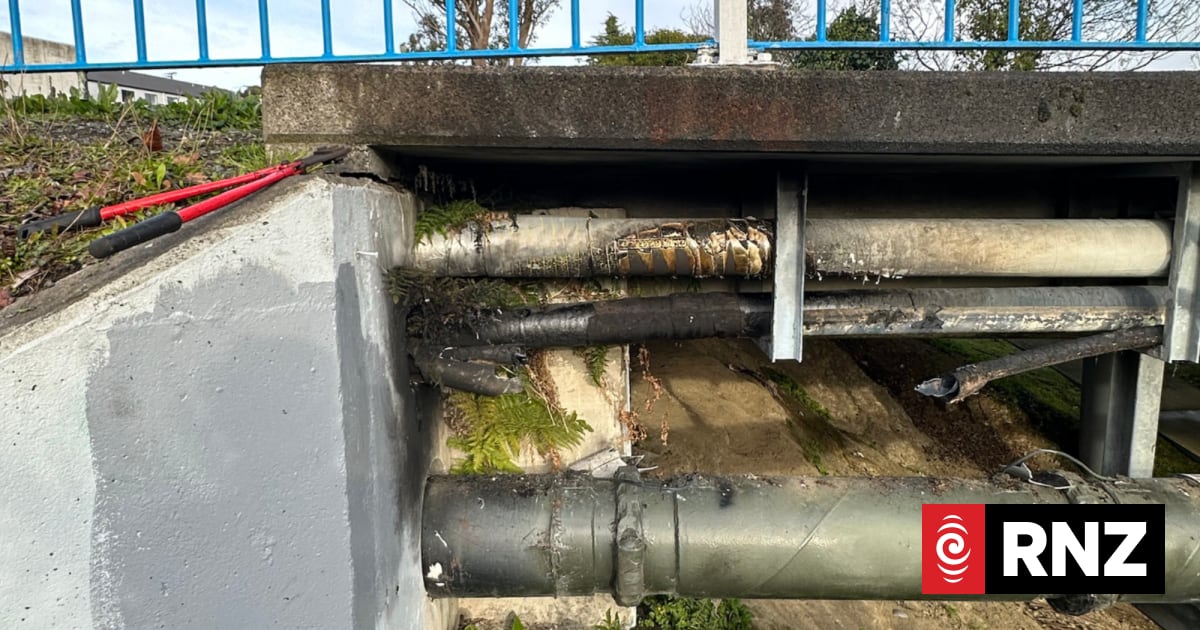
The growing problem of the theft of copper and other recyclable metals is causing millions of dollars of damage to infrastructure and endangering perpetrators and the public.Police said the thefts - which often occurred at night and in remote locations - could be hard to detect and urged the public to report any suspicious behaviour.Thefts put KiwiRail projects back monthsOn a cold, windy night on the rail corridor near Featherston - north of Wellington - KiwiRail's Andy Lyon was overseeing crews working to replace cabling stripped from within steel pipes near the tracks.He said nearly 5 kilometres of cable had been stolen from the Wairarapa network this year.In July, police arrested a 36-year-old Featherston man in connection with a series of thefts of signalling power cabling in the area."We're right in the throes of installing a new signalling system so the damage that's been done here just puts the work back months. We're having to bring people in on night shifts to make repairs and be able to keep ourselves on target," Lyon said.Lyon said - across KiwiRail's network - nearly 90 instances of intentional damage had cost over $2 million to repair this year.Andy Lyon, Kiwirail General Manager Wellington Metro.RNZ / Baz MacdonaldHe said people were putting themselves in extreme danger in their attempts to source recyclable materials for quick cash."The rail corridor is a hugely dangerous place. It can be a kilometre for a freight train to be able to stop. The cable can have high voltage running through it so it's incredibly dangerous and we really don't want to see anybody get hurt."But unfortunately, that's the risk people are taking when they chose to come into the corridor and steal cable."Kiwirail workers repairing sections of the Wairarapa trainline damaged by thieves.RNZ / Baz MacdonaldFurther north, lines company Vector had logged 630 instances of vandalism and theft from their networks during the last eight months.General manager operations and maintenance, Marko Simunac said staff were discovering tell tale evidence of high voltage discharges as thieves cut into live cables.Danger signs included charred and scattered tools - where people are attempting to steal materials from their network.SUPPLIED"We are finding hacksaws which have been melted into the cable because there was a flashover. We are finding tools just left scattered in a place charred. So those people, very likely, are presenting to the medical centres," Simunac said.In March, a man died after he was electrocuted in what police believe was an attempt to take copper from a transformer in Christchurch's Red Zone.But it wasn't just criminals who were at risk.Simunac said some instances of tampering were shutting down network fail safes leaving homes open to appliance damage and fire risk.Tubing, discarded by thieves, after they have removed the copper cables withinRNZ / Baz MacdonaldOthers were leaving powerful connections open to the public."They have stolen the locks from our transformers on the roads. [They] just walk away and you've got live electricity exposed on public walkways. Kids are curious ... I just don't want to even go that way cause that would be horrific so I can't even think about it," Simunac said.Simunac said two recent - but unsuccessful - attacks on cables beneath a motorway overpass created more than $500,000 worth of damage."Ultimately it is a lost opportunity. This half million dollars - in this particular instance - we could have put into a resilience project or a community project. We could have put it into a community battery somewhere. We could address those climate change impacts as well," Simunac said.Andy Lyon inspects where thieves cut open metal pipes to steal the copper cables within.RNZ / Baz MacdonaldBoth companies were investigating adding forensic tagging of cabling to better allow police to determine where items they recover had been stolen from.Police director - prevention, Inspector Natasha Allan said police were working to bring district team's intelligence together develop a more detailed national picture of the problem.A new scheme being trialled in Christchurch was also allowing police to analyse patterns and trends by having metal recyclers share details of their purchases with police en masse.Operation Scrap was launched at the beginning of the year and involved monitoring transactions across all metal recycling businesses within the district.But Allan said catching people in the act was a challenge for police.Woodside train station, Wairarapa.RNZ / Baz Macdonald"These offences often occur in remote or isolated locations and under the cover of darkness, which can make detection difficult."In some cases, offenders leave limited evidence, making identification and prosecution challenging. Successful investigations often depend on timely reporting, witness information, CCTV footage, and cooperation with infrastructure owners and industry partners," Allan said.Allan urged the public to be on the lookout for individuals in restricted areas - handling equipment without obvious authority - and in locations or times that seemed out of place.She said people encountering suspicious behaviour around infrastructure should call 111 immediately.
Dangerous copper, metals thefts causing millions in damage
Full Article
Original Source
Read the full article at Rnz →KhanList aggregates and links to publicly available news content. We do not host full articles from third-party sources. Always verify important information with original sources.