
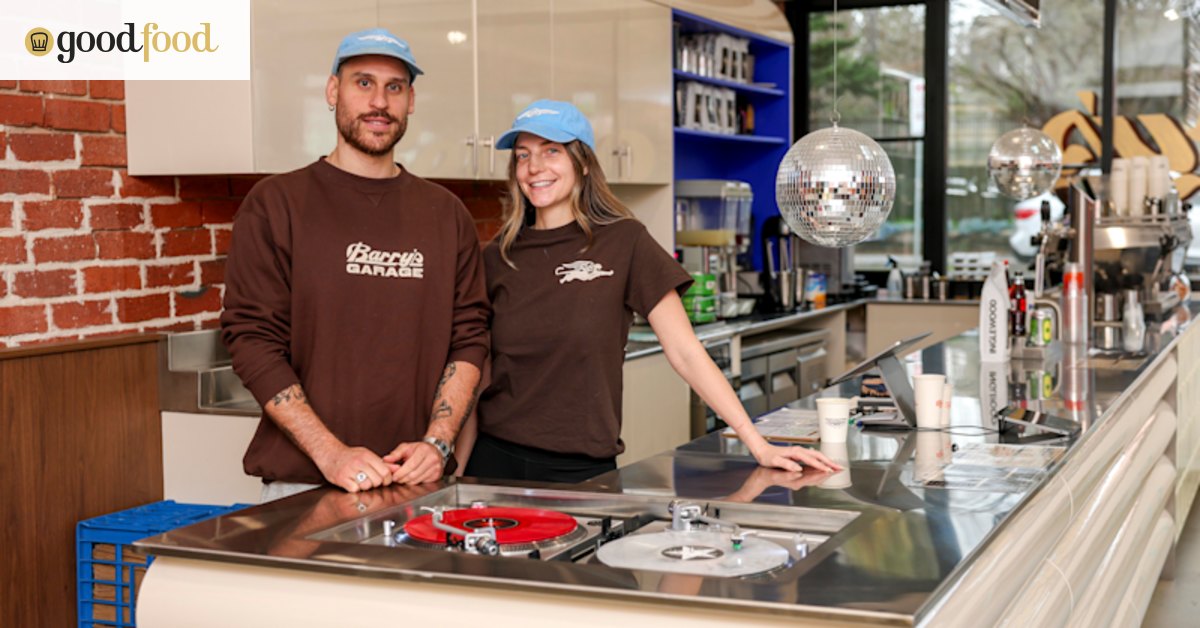
“Focusing only on the items you’re selling isn’t going to make you remarkable.” The Melbourne shops dealing with stiff competition by going the extra mile, not just on ingredients, but design.When Melbourne sandwich titan Hector’s Deli first opened in Richmond in 2017, it set the wheels in motion for a transformation of the humble sanga shop that’s still playing out today. First, there was the food; $10 seeded salad rolls and Wonder White toasties morphed into $18 focaccias stacked with gourmet deli meats; hulking New York-style Reubens; and crumbed chicken sandwiches bigger than your head. Later came the swish architect-designed interiors. Since that first shop, Hector’s has expanded to seven outposts across the city, including one on Lygon Street this year. Set foot in any of them, and the surrounds are a far cry from the delis and canteens where Australians used to buy their sandwiches. (Even the first Hector’s, a tiny 30-square-metre shop, feels relatively stripped back compared with its latest openings).Its Little Collins shop, which opened in late 2025 in the heritage-listed Normanby Chambers building, was designed by Adelaide architects Studio Gram and features stainless steel, pendant lighting and reeded glass. It’s common for the brand to engage other high-end architects and interior designers for its store fitouts.Others are following suit, with a barrage of design-led sandwich shops spreading across the city over the past 10 years. “Focusing only on the items you’re selling isn’t going to make you remarkable,” Steven Ballerini, director of popular Carlton spot Sangaweech, says.Restaurant reviews, news and the hottest openings served to your inbox.Sign upSangaweech’s sandwiches (pictured) and interior nod to old-school Italian delis, but fitting out the unassuming shopfront is estimated at half a million dollars.Simon SchluterHistorically, Melbourne sandwich shops were hole-in-the-wall operations or supplementary to a delicatessen or bakery (see Rocco’s Deli in Yarraville and the city’s many banh mi joints). With cheap entry costs and no specialist chef required, they pumped for a couple of hours each day, but resided at the alcohol-free, lower-yield end of the hospitality chain.But the market is changing, and it’s not enough to get by on product alone any more. According to a report on the Australian sandwich shop industry, published in February by market research firm IbisWorld, rising health consciousness and “foodie culture” are pushing sandwich shops towards more “gourmet” creations and salad-filled options.Many sandwich shops still have a lower set-up cost than a restaurant requiring a full kitchen with gas and an exhaust system, but the growing number of places offering gourmet sandwiches means it’s increasingly important to go big on your fit-out (like Hector’s), or stand out in other ways. Inside Breadcetera’s Mt Eliza outlet, designed by Mitchell & Eades.Michael PhamMalvern’s Breadcetera, which recently opened a second outpost in Mount Eliza, combines takeaway sandwiches with boujee grocery items and homewares.“From the beginning, we approached the fitout in much the same way we would a restaurant,” Natalie Osborne, co-owner of Breadcetera Mount Eliza, says. “The look and the feel of the space is just as important to us as the products we sell.”“There are so many good places to get a sandwich or coffee, so creating a strong point of difference is really important.”Natalie Osborne, BreadceteraThe shop engaged architectural studio Mitchell & Eades – whose work spans glitzy hatted restaurants like Grill Americano and Marmelo – to work on the space, which is dressed with luxury materials such as fluted glass, exposed micro-cement concrete, mosaic tiling and custom timber joinery.While Osborne declined to share a dollar figure on the cost, she says “the investment was significant”.Sangaweech’s retro-inspired interior features an orange laminate counter, running the length of the narrow shopfront.Simon SchluterRetro-inspired Italian sandwich shop Sangweech in Carlton also worked with Mitchell & Eades, investing about half a million dollars in the cosy 100-square-metre deli. The same firm designed nearby restaurant Johnny, Vince & Sam’s, which shares the same owners as Sangaweech.“It might seem unusual to put this level of thought and investment into a sandwich shop, but for us the product is more than a sandwich,” Ballerini says.To give the space its nostalgic feel that nods to the homes of Italian migrants in the 1970s and ’80s, materials were sourced from custom designers and local manufacturers all over Melbourne – from Dandenong to Epping, Bentleigh and Broadmeadows – as well as Facebook Marketplace and local op shops. Showcasing unique objects that other venues don’t have can help a business stand out in a sea of competitors. Since opening earlier this year, Sangaweech has consistently drawn lunchtime queues that stretch out onto Lygon Street.Barry’s Garage owners Nick Zaharias and Kathryn Simcoe behind the shiny counter, complete with disco balls and vinyl turntables.Eddie JimA similar approach was taken at Detroit-inspired sanga bar Barry’s Garage in Kew, aptly named for the old mechanic’s workshop it inhabits. Couple Kathryn Simcoe and Nick Zaharias took the 100-year-old building and invested about $250,000 in the space, including engaging an interior designer to bring their vision to life.“It was a significant investment for a small, casual takeaway concept, particularly given the size of the space,” Simcoe says. “But we saw the building and its design as such an integral part of the brand that it wasn’t something we wanted to compromise on.”Inside, a high-gloss, oversized coffee bench and counter is sculpted to imitate a 1950s Cadillac. Illuminated glass bricks, burnt steel and exposed brick complete the industrial-chic feel.Breadcetera’s Osborne believes standing out from the crowd and creating an experience for customers is the future of casual dining, particularly as consumers look to luxury in small, everyday items as opposed to fine dining.“I do think customers expect more from casual hospitality now,” says Osborne. “There are so many good places to get a sandwich or coffee, so creating a strong point of difference is really important.”Sandwich Watch: Catch up on our latest Melbourne sanga reviewsEmily Holgate – Emily is a producer for the Good Food App at The Age. She previously wrote for the likes of Broadsheet and Urban List.Connect via email.From our partners
‘Customers expect more’: Why today’s sandwich shops look (half) a million bucks
Full Article
Original Source
Read the full article at Smh →KhanList aggregates and links to publicly available news content. We do not host full articles from third-party sources. Always verify important information with original sources.