
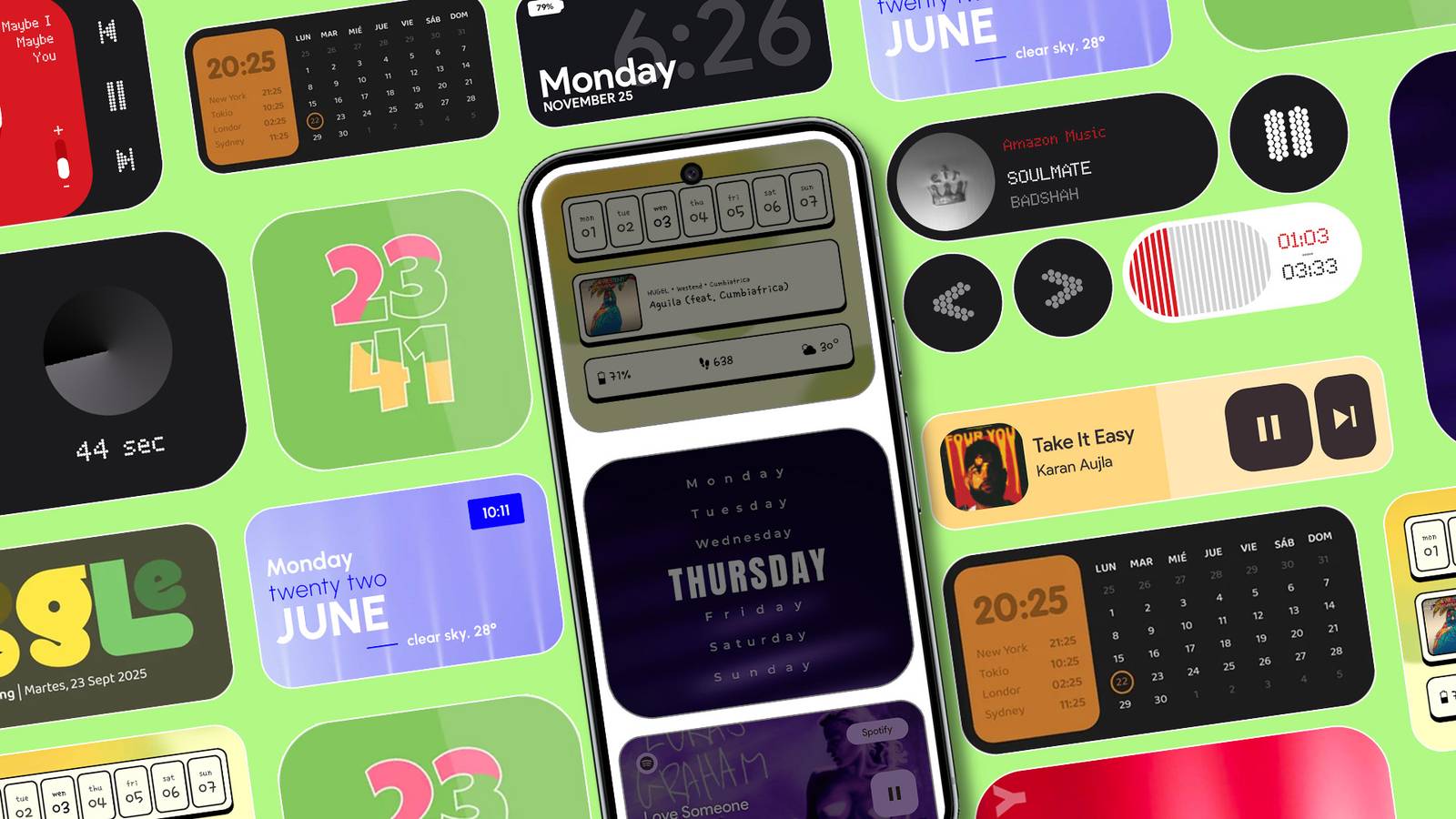
Published Aug 30, 2026, 8:30 AM EDT I am an author and features writer at Android Police. I primarily writes guides, how-tos, and roundups on the latest smartphone apps and features for Android Police since joining the team in early 2022. While my work often diversifies depending on the topic, you'll often find me writing about the newest entertainment or hidden utility Android apps or discussing my paranoia about digital privacy and poor smartphone practices. I will occasionally dabble in Samsung's latest features in One UI. On the games side, my area of expertise is in action RPGs and gacha games, but I will play and study the occasional competitive shooter. But most of all, my appetite for new stories still goes unquenched — as shown with my personal love for the Trails series. Before joining Android Police, I studied chemistry and graduated with an honors specialization in Chemistry in 2016, leading me to spend many hours toiling around the lab as an undergraduate. Eventually, all those hours spent at the lab led me to develop my analytical mindset. So now, if you give me a problem, I will relentlessly tackle it to find a solution. My favorite pastime as a student was always writing reports, presentations, tutorials, and literature reviews, which guided me into completing a graduate certificate in technical writing in 2019. Thanks to my current role with Android Police, I learned to appreciate user security and privacy, leading me into studying Cyber Security. My first Android phone was the Samsung Galaxy Note II in 2012, which gave me a taste of how a small piece of powerful hardware can open up endless opportunities for my favorite hobbies. Though if you ask about my purchasing regrets, I will always say missing out on the Google Nexus still stings to this very day. I've also been a gamer for over 20 years, starting with Super Mario Bros. on the NES. Thanks to those early influences, I now own over 15 devices for gaming, ranging from handhelds to consoles. Nowadays, you'll find me studying spreadsheets and assembling data to theorycraft new teams and builds for Genshin Impact, Honkai: Star Rail, Wuthering Waves, and Zenless Zone Zero. You'll also see me digging deeper to uncover the truth behind AI as a field: which part is actually useful, or it just a bunch of bloat being sold with your phone? I adore my phone, but sometimes it feels boring and sterile. Lately, I've been browsing Reddit and feeling jealous of people's home screen designs — like this beautiful whale-themed home screen someone recreated for their Oppo Find 2. So I thought, maybe I needed to download my first custom launcher and buy some top-rated icon packs to give my Samsung phone a facelift. It turns out that I found something even better; it's not a new app. It's one I forgot about, and I like the customization it offers — it is KWGT Kustom Widget Maker. This app is tricky to get into, but I have enough time to work with it (and keep working with it). Widgets are truly where the magic happens on your home screen, and this is how this app can unlock it. Don't forget to add the necessary permissions Getting started on KWGT Kustom Widget Maker as a beginner isn't easy. That's why I recommend breaking it into steps until you've grown used to it. After downloading the app, you can choose to stick with the free version or get the Pro key (a separate download and purchase). For research and testing, I stayed with the free version, but what it offered felt limiting in terms of pre-made widgets. Still, I recommend doing this first to get used to the editor before jumping into the deep end. After you install the app, you'll need to grant permissions for KWGT Kustom Widget Maker to work, like your location. I accidentally turned it off this week while removing location permissions for non-essential apps to preserve battery life. As a result, the widget wasn't showing up under the Widgets menu while I was editing my home screen. I had it set to Ask me every time, which wasn't helpful since the widgets I was making were weather-related. To be safe, add this widget to the Always Allow list. Start with a preset to get used to the interface When you are ready to get started, open your home screen editor and tap a blank space on your home screen to select the KWGT widget — you can choose from various sizes, like 1x1, 2x2, 2x4, and 4x1. This places a blank KWGT widget on your screen. Tap it again to open the KWGT Kustom Widget Maker editor. Long-pressing it is for resizing. At the top of the app, you will find a widget with a number next to it. That's a blank canvas. I found it easier to pick a preset. Then make small edits to fine-tune the design. The editor for the blank widget or the preset opens. You will find options like Items, Background, Layer, Global, Flows, Shortcuts, and Touch beneath the image preview. In the main section of the widget editor, if you're using a preset (which I recommend until you feel more comfortable with the editor), focus on the Items section. Tapping the checkmark box next to one of the listed entries will mark which section it represents visually, so you can see a blue box around the actual section you are editing. Tapping the entry opens the sub-editor for that section. From here, you can change the text, color, font size, and style. You can add effects and modify the position. After you make changes, tap the Floppy disk icon at the top to save them. The KWGT editor doesn't have an undo button. If you want to reset a change, create restore points (save states) and return to them to revert changes. Use the back button on your phone to return to the general widget editor. You can use this to modify the background, but if you don't want one, don't touch it so that the widget stays transparent. For presets, I avoid touching the other options, but if you are making your own, you'll want to configure app shortcuts and insert codes/formulas that match the type of widget you want to insert. You can also edit the formula by tapping the Calculator symbol next to an editable entry; this opens the formula editor. Only do this if you are experienced. Formulas/codes pull live data for your widgets. Use the categories below to find ready-made formulas to add into the widget. Generally, the widget packs are enough to get started, but if you don't like the ones you see in the app, you can find more in the Play Store. Look for KWGT-compatible ones, or check the Kustom subreddit; some designers offer links. Changes you make to the widget will appear on your home screen where you opened the editor. But if you don't like how the widget looks, you can long-tap on it to remove it from your home screen. The types of widgets you can make aren't going to be anything crazy; they will mostly rely on information your phone can provide, like your location, time, music playback, battery, calendar, and health/fitness. Still, the app provides plenty of personalization if you want to dress up your Android home screen with widgets. Plus, I feel it's one of those tools that I keep learning more about the more widgets I try to edit. While the app offers a lot of freedom, it has some downsides: you can't really customize widget animations (check out KLWP Live Wallpaper), and it can drain your battery if you keep adding widgets that have to stay up to date with live data. But if you're fine with those trade-offs and don't mind a steeper learning curve, then you'll like what this decade-old app has to offer.
Custom launchers won't fix your boring phone; this forgotten widget app actually will
Full Article
Original Source
Read the full article at Androidpolice →KhanList aggregates and links to publicly available news content. We do not host full articles from third-party sources. Always verify important information with original sources.