
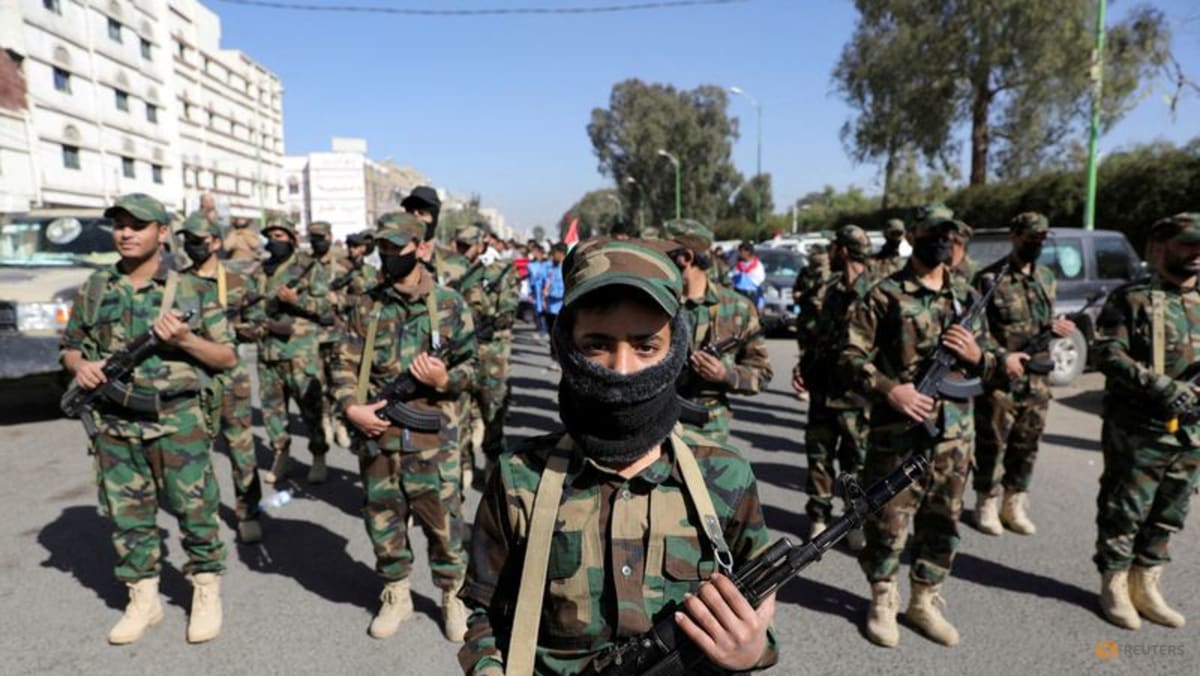
SINGAPORE: Deadly attacks on the international airport of Riyadh, Saudi Arabia, over the weekend have left over a dozen dead and hundreds injured. This development in the Houthi-Saudi conflict has drawn condemnation from Pakistan and Türkiye.The three states – Pakistan, Saudi Arabia and Türkiye – signed the Mecca Joint Defence Agreement in August. It states that an armed attack on one state is an attack on all, which has prompted comparisons with Article 5 of the North Atlantic Treaty Organization (NATO). The pact has taken on newfound significance as Iran-backed Houthis attack strategic targets across Saudi Arabia and threaten shipping through the Bab el-Mandeb Strait, connecting the Red Sea to the broader Indian Ocean.On Oct 5, the three countries activated their collective-defence commitments, agreeing to rapidly deploy military capabilities to Saudi Arabia. For Pakistan, the question is how far Islamabad will go to defend Riyadh, particularly if doing so risks a wider conflict with Iran.The answer appears to be not too far, at least in direct combat. Though Islamabad has committed ground troops, its support will likely prioritise defensive deployments, intelligence sharing, weapons transfers and logistical support. This would allow Pakistan to honour its commitments while minimising the risk of entering a costly war beyond its neighbourhood. A SELF-INFLICTED PREDICAMENTPakistan’s predicament is largely of its own making. Islamabad has long depended on Saudi Arabia for financial assistance, energy supplies, and employment opportunities for millions of Pakistani workers. The two countries also maintain extensive military ties, with Pakistani personnel historically training and advising Saudi forces.The pact was therefore a logical extension of an already close relationship, promising to strengthen Pakistan’s economic lifeline and regional standing. But a seemingly low-cost strategic commitment could quickly become a potentially expensive military obligation.Although the pact commits Pakistan to defending Saudi Arabia, it does not necessarily require offensive operations against the Houthis. Islamabad retains room to demonstrate solidarity while limiting its exposure.Still, its rhetoric has been forceful. On Sep 29, Pakistan Defence Minister Khawaja Asif declared: “Any enemy of Saudi Arabia is an enemy of Pakistan. That should be very clear.” Such statements reassure Riyadh but raise expectations Pakistan could struggle to meet.Indeed, Pakistan may already be moving beyond rhetorical support. According to news reports, Pakistani and Turkish military equipment has supported Saudi operations in Yemen, including a recent counteroffensive near Bab el-Mandeb.Although short of direct combat, this demonstrates how Islamabad’s involvement could deepen without formally entering the war. The distinction between supporting Saudi operations and fighting alongside Saudi forces may become increasingly difficult to maintain. PATHWAYS TO DEEPER INVOLVEMENTPakistan faces several pathways to deeper involvement. Pakistani personnel in Saudi Arabia could be killed by Houthi missile or drone attacks, generating pressure for retaliation. Pakistani aircraft could become involved in combat, while even limited strikes might provoke attacks against Pakistani personnel or facilities.Maritime security operations could expose Pakistani naval vessels to Houthi attacks around Bab el-Mandeb, drawing Pakistan further into the Indian Ocean conflict.Perhaps the greatest danger is confrontation with neighbouring Iran. Islamabad wants workable relations with Tehran to manage cross-border militancy and instability. The two countries exchanged military strikes in January 2024, demonstrating how quickly tensions can escalate. Pakistan also has little interest in jeopardising its diplomatic role between Washington and Tehran in efforts to end the US-Iran war.Behind Islamabad’s muscular rhetoric lies a cautious diplomatic strategy. Pakistan has preserved channels to Iran and considered proposals for negotiating an end to the Houthi conflict. Defending Saudi territory is one thing; joining a broader campaign against Iranian-backed forces is quite another. Islamabad would prefer the former without being forced into the latter.Nuclear weapons add another complication. As a nuclear-armed power, Pakistan has entered a collective-defence arrangement with non-nuclear Saudi Arabia, raising questions about whether its deterrent might someday extend to Riyadh.No public commitment establishes such a nuclear umbrella, and the pact does not automatically require nuclear retaliation. Türkiye already benefits from NATO’s nuclear deterrence arrangements.Nevertheless, ambiguity surrounding Pakistan’s nuclear role could create unrealistic Saudi expectations and dangerous miscalculations among adversaries. RISK OF SIMULTANEOUS CRISESThe Middle Eastern conflict could also divert Pakistan’s attention and resources from its foremost security concern: India. Last year’s four-day war ended with a cessation of hostilities, but New Delhi maintains that Operation Sindoor, involving strikes against Pakistani targets, remains suspended rather than terminated.Islamabad must remain prepared for renewed confrontation while facing pressure to fulfil its Saudi commitments. Managing simultaneous security crises to its east and west hardly appeals to Pakistani military planners.These competing priorities expose the fundamental problem with Pakistan’s new commitments. Riyadh expects credible military assistance, but Islamabad must weigh those expectations against confrontation with Iran, diverting resources from India, and becoming trapped in a Middle Eastern conflict.Pakistan may manage these contradictions through defensive assistance for now, but the longer the conflict continues, the harder that distinction may become to maintain.Derek Grossman is Founder and Chief Analyst of Indo-Pacific Solutions, a geopolitical consultancy on the region. He is also Professor of the Practice of Political Science and International Relations at the University of Southern California.
Commentary: How far will Pakistan go in defending Saudi Arabia against Houthi attacks?
Full Article
Original Source
Read the full article at Channelnewsasia →KhanList aggregates and links to publicly available news content. We do not host full articles from third-party sources. Always verify important information with original sources.