
Are you getting an extra hour or losing an hour? (Picture: Getty Images/iStockphoto) We’ve finally hit that point in the year where people are wondering whether we lose or gain an hour as the clocks change. Yep, it’s that time again. The UK is switching from British Summer Time (BST) to Greenwich Mean Time (GMT) as the winter months approach. It’s sad news for daylight lovers, as evenings will become noticeably shorter and mornings darker (and colder). But when do the clocks actually change, and do we lose or gain an hour of sleep? Only time (and Metro) can tell… You may wake up on Sunday morning feeling more rested, thanks to the extra hour of sleep. (Picture: Getty Images) Sign up for all of the latest stories Start your day informed with Metro's News Updates newsletter or get Breaking News alerts the moment it happens. When do the clocks go back? The clocks will go back an hour at 2am on Sunday morning. Greenwich Mean Time (GMT) always begins at 2am on the last Sunday of October, which then becomes 1am. The backwards jump means you will actually gain an hour of sleep overnight, so you may feel a little more refreshed when you wake up on Sunday morning. Most electronic devices like smartphones should automatically jump back an hour, but some older devices may not, so you may have to manually adjust them. Greenwich Mean Time (GMT) will last until March 28, 2027, the last Sunday of March, when the clocks go forward by one hour to British Summer Time. The changing of the clocks for summer and winter back to the 18th century! (Picture: Getty Images) Why do we change the clocks? Benjamin Franklin is widely credited as the person behind the idea of changing clocks for the summer and winter. The idea was first proposed in a letter he wrote while living in France during the 1790s. The idea didn’t catch on until the early 1900s, when a builder called William Willett, supposedly annoyed that his golfing would be interrupted by the sun going down earlier, campaigned in Britain to change the clocks. Willett, who is Coldplay singer Chris Martin’s great-great-grandfather, died of influenza in 1915, but a year after his death, Daylight Saving Time (DST) was adopted by the German army during the First World War as a way of saving energy. Other European countries followed, including the UK. Follow Metro across our social channels, on Facebook, Twitter and Instagram Share your views in the comments below Arrow MORE: Oodie’s £1 sale returns with wearable blankets, dressing gowns and throws up for grabs Arrow MORE: This divisive bedroom habit is driving couples mad — are you guilty of it? Arrow MORE: 7 surprising signs that show you’re pretty healthy, actually News Updates Stay on top of the headlines with daily email updates.
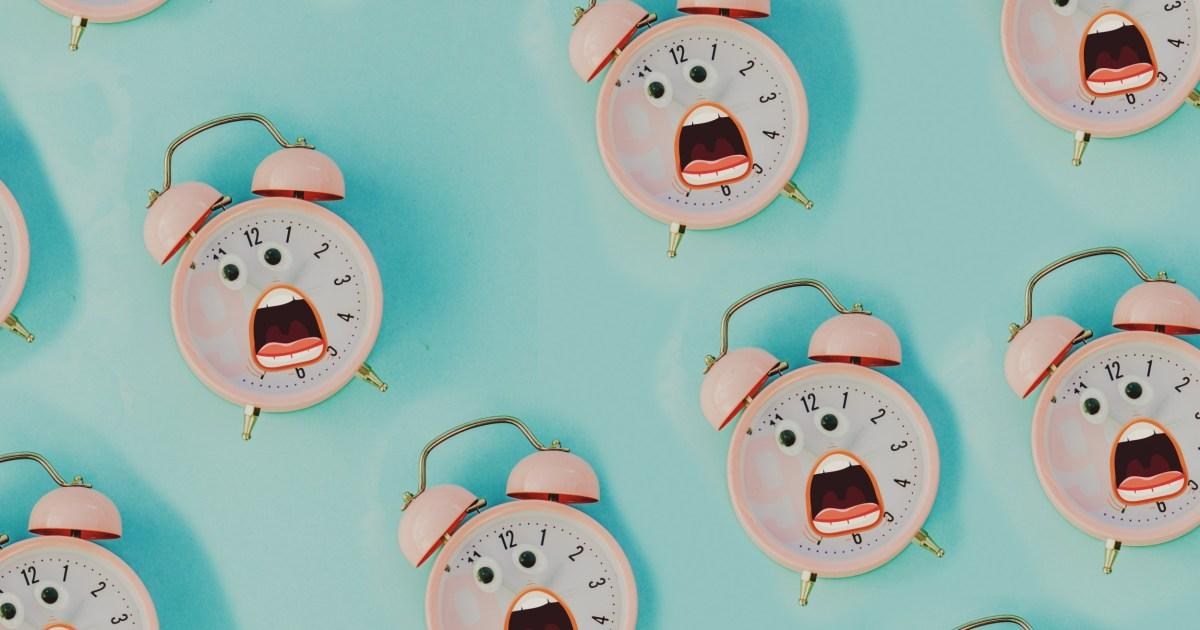
Clocks go back tonight – do we get an extra hour of sleep?
Full Article
Original Source
Read the full article at Metro →KhanList aggregates and links to publicly available news content. We do not host full articles from third-party sources. Always verify important information with original sources.