
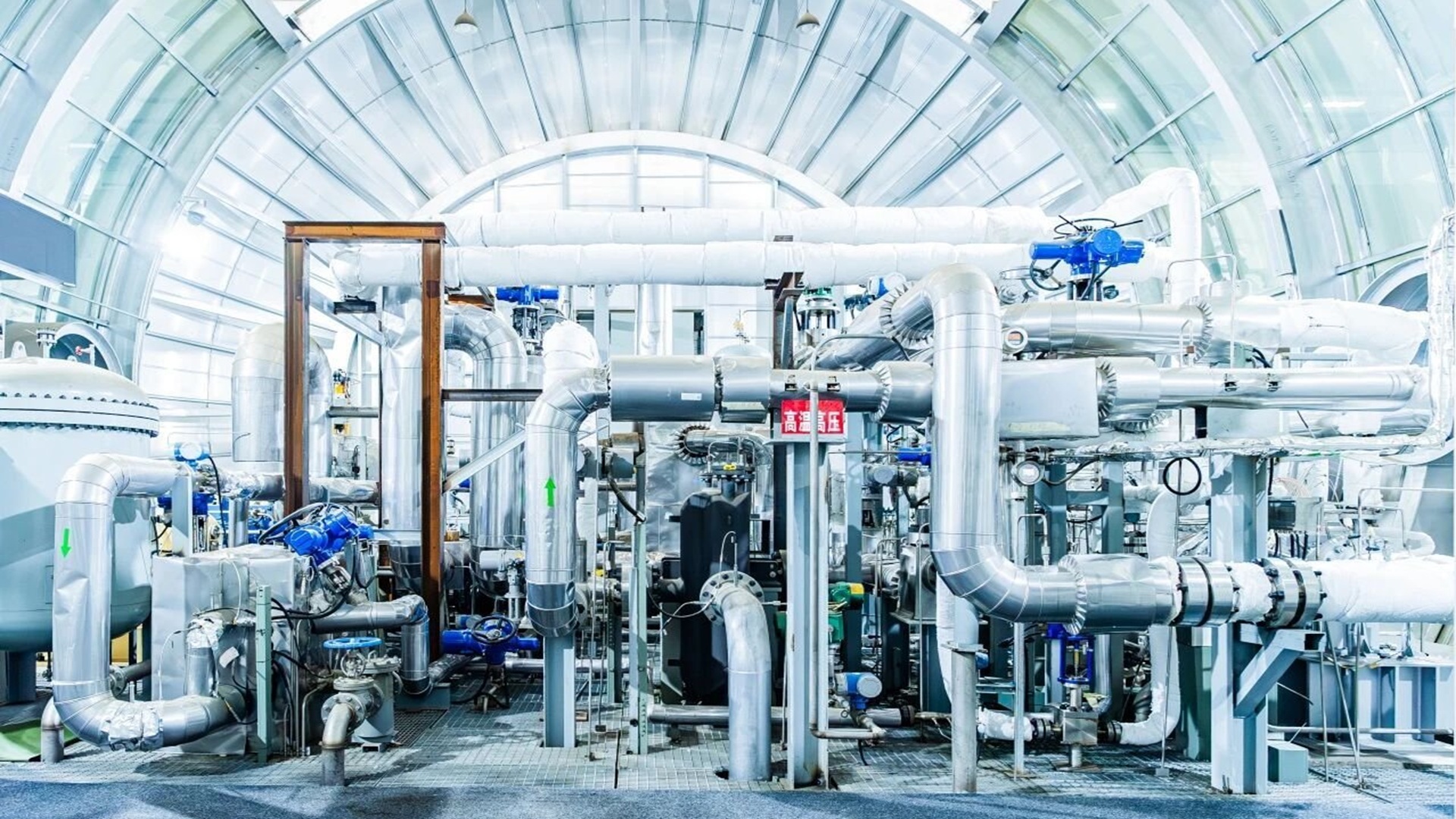
China and the International Atomic Energy Agency (IAEA) are teaming up to advance high-temperature gas-cooled reactors, opening a new channel for sharing China’s engineering experience. The agreement was signed by Chinergy Co Ltd, a subsidiary of China National Nuclear Corporation (CNNC), and the IAEA in Vienna as the agency’s 70th General Conference opened. It covers cooperation in HTGR research and development, reactor design, construction, commissioning and operation. The two sides will also exchange information on supply chains and personnel training. The deal could give other countries greater access to China’s engineering experience with HTGRs as interest grows in nuclear systems that can provide both electricity and high-temperature industrial heat. Reactors move beyond electricity HTGRs are a type of advanced, fourth-generation reactor designed to operate at higher temperatures than conventional nuclear power plants. Their high-temperature heat can potentially be used for industrial processes, steam production and hydrogen generation in addition to electricity. China has been developing HTGR technology for both power generation and industrial applications. Its HTR-PM demonstration project at Shidao Bay in Shandong uses two small reactor modules to drive a single steam turbine and entered commercial operation in 2023. The new agreement builds on that engineering experience. CNNC said the cooperation with the IAEA will support international exchanges covering the development and deployment of HTGR nuclear power plants. IAEA Director General Rafael Mariano Grossi and senior Chinese nuclear officials witnessed the signing during the conference. Grossi was also briefed on China’s HTGR technology and its Linglong One, or ACP100, small modular reactor. The Chinese exhibition accompanying the conference focused on small modular reactors and the integrated use of nuclear energy. Nuclear heat targets industry China is also developing projects that use nuclear reactors as industrial heat sources rather than relying on them primarily for grid electricity. Construction of the Xuwei Nuclear Heating and Power Plant in Jiangsu province began in January 2026. The project combines high-temperature gas-cooled reactor technology with pressurized water reactors and is designed primarily to supply industrial heat, with electricity generation as a secondary output. CNNC expects the facility to provide more than 35 million tonnes of industrial steam annually once it is completed and operational. The project is being built to serve a major petrochemical industrial base, where large amounts of heat are required for industrial processes. Using nuclear energy for this purpose could broaden the role of reactors in cutting fossil fuel use in energy-intensive industries. The IAEA cooperation agreement covers this wider application of HTGR technology. CNNC said the shared engineering experience could support applications including power generation, industrial heat supply and hydrogen production. The agreement also comes as countries examine nuclear power as part of efforts to strengthen energy security and reduce carbon emissions. However, the deal itself does not mean Chinese HTGR reactors will be deployed in other countries. It establishes a framework for technical cooperation and information exchange. For China, the agreement provides an international channel to share experience from its growing advanced nuclear program. For the IAEA, the cooperation adds to its work on advanced reactors and the wider use of nuclear energy beyond conventional electricity generation.Get the latest in engineering, tech, space & science - delivered daily to your inbox.With over a decade-long career in journalism, Neetika Walter has worked with The Economic Times, ANI, and Hindustan Times, covering politics, business, technology, and the clean energy sector. Passionate about contemporary culture, books, poetry, and storytelling, she brings depth and insight to her writing. When she isn’t chasing stories, she’s likely lost in a book or enjoying the company of her dogs.
China takes advanced reactor expertise global through IAEA technology-sharing deal
Full Article
Original Source
Read the full article at Interestingengineering →KhanList aggregates and links to publicly available news content. We do not host full articles from third-party sources. Always verify important information with original sources.