
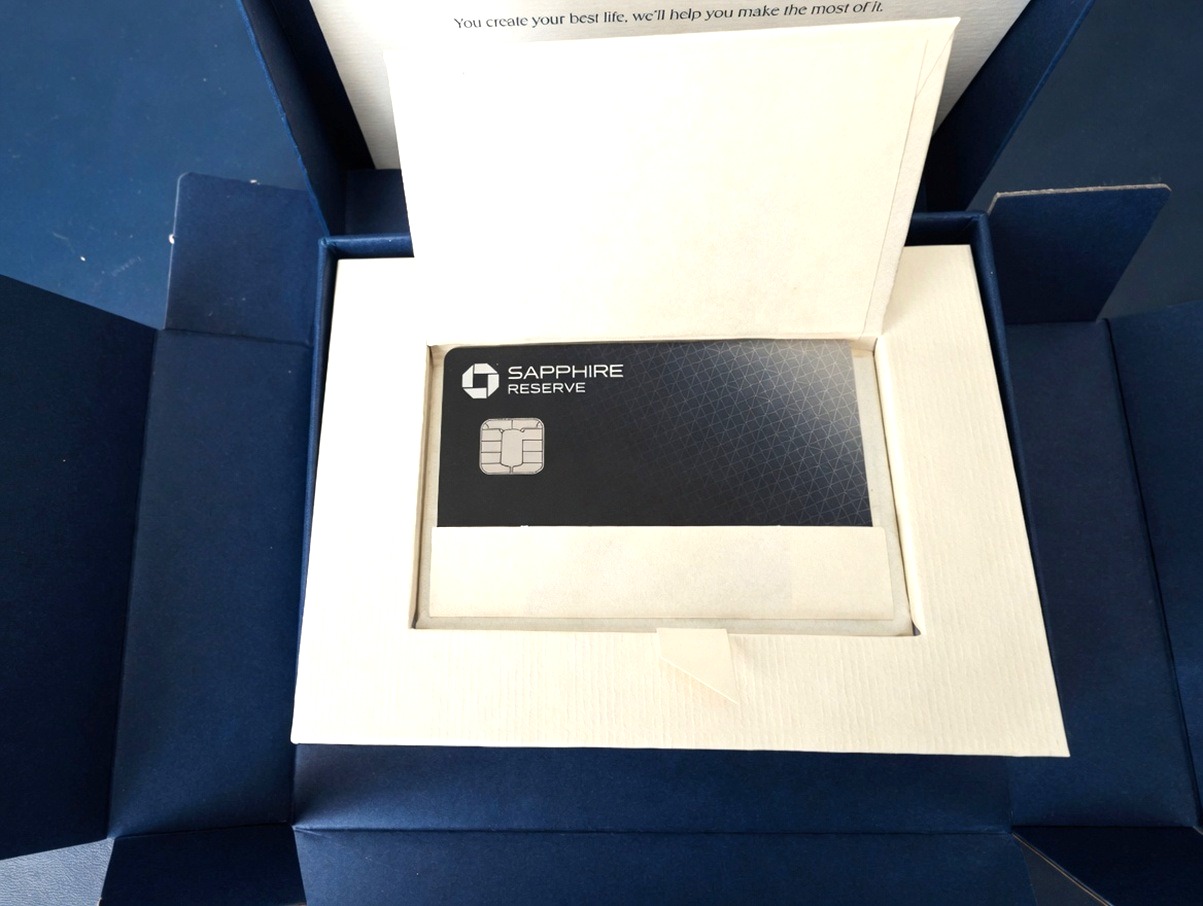
I receive compensation for content and many links on this blog. Be aware that websites may earn compensation when a customer clicks on a link, when an application is approved, or when an account is opened. Citibank is an advertising partner of this site, as is American Express, Chase, Capital One, and others. Any opinions expressed in this post are my own, and have not been reviewed, approved, or endorsed by my advertising partners. I do not write about all offers that are available -- instead focusing on miles, points, and cash back (and currencies that can be converted into the same). Terms apply to the offers and benefits listed on this page.Chase Sapphire Reserve® (See rates and fees) Chase will now turn points into investable cash at one cent apiece. For instance, 100,000 Ultimate Rewards points lets you invest $1,000 in a J.P. Morgan investment account. But using the points in ohter ways can put more money in your pocket to invest than this will. Use points for a trip you were going to buy and your savings should be greater than a penny per point. I hadn’t seen this until Monkey Miles flagged it. More options are better! But Chase already lets you redeem points for cash at a penny apiece. Depositing the money directly into a brokerage account just gets you the same thing, and from Chase’s perspective keeps the money inside their ecosystem. Chase announced “Invest Your Points” on September 16. You redeem points for cash, then decide how to invest it. According to their terms: All Freedom, Ink and Sapphire cards are eligible, including Sapphire Reserve for Business. Eligible destinations include J.P. Morgan Self-Directed Investing general investment, custodial accounts for minors, and trust accounts, plus taxable brokerage accounts held with a J.P. Morgan advisor. Retirement accounts aren’t included, naturally (there’s no reason to lock up the funds with those restrictions). You receive $1 for every 100 points redeemed. Requests before 4:30 p.m. Eastern on business days typically process that day. Later requests process the next business morning. Cash is typically available to invest within 3 business days. This shows up in Chase’s app and website, go to Benefits & Travel, then Rewards or Redeem Rewards, and Invest Your Points. That’s useful if you accept a penny per point in value and already invest with J.P. Morgan. For everyone else even at that rate just use the statement credits? Pay Yourself Back Still Offers More Than A Penny Pay Yourself Back pays more against certain charges already made to your card. Current offers through September 30, 2026: Card Eligible Charges Cents Per Point Sapphire Reserve / J.P. Morgan Reserve Gas stations and public transit 1.2 Sapphire Reserve / J.P. Morgan Reserve Annual fee 1.25 Sapphire Reserve / J.P. Morgan Reserve Eligible charities 1.5 Sapphire Preferred Pet supply stores, veterinary services and annual fee 1.1 Sapphire Preferred Public transit 1.05 Sapphire Preferred Eligible charities 1.25 Freedom, Freedom Flex and Freedom Unlimited Eligible charities 1.25 Sapphire Reserve for Business Eligible charities 1.25 Ink Business Preferred, Plus, Cash and Unlimited Shipping, internet, cable and phone services 1.1 Ink Business Preferred, Plus, Cash and Unlimited Eligible charities 1.25 Sapphire Reserve’s annual fee payments still get 1.25 cents, but gas and public transit now get 1.2 cents. The business Reserve’s charity rate is 1.25 cents, compared with 1.5 cents on the personal card. Eligible charges generally have to be from the previous 90 days. You select them in Pay Yourself Back and can erase all or part of a charge. You keep the rewards earned on the original purchase. If you’ve already put $120 of eligible gas purchases on Sapphire Reserve, 10,000 points can erase that bill. The same points put just $100 into your investment account. Paying yourself back leaves another $20 available to invest. The charity rate works the same way if it reimburses a donation you’d make anyway. Using Points For Travel Can Leave You With More Money To Invest “Invest your points” sounds better than spending them on vacation. But if you’re going to take the trip anyway, using points instead of cash leaves you with more money in the bank. And then you invest the money. If you redeem points at 2 cents apiece towards travel you’d have otherwise paid for, 100,000 Ultimate Rewards points gives you $2,000 in savings – go invest the $2,000 instead of redeeming for a $1,000 investment. Of course, the travel has to replace spending you’d actually make. Redeeming for a $10,000 business class ticket doesn’t free up $10,000 if you’d otherwise buy an $800 coach ticket. And spending points for a nicer hotel than you’d pay for in cash doesn’t accomplish this either. Park Hyatt St. Kitts And travel redemptions don’t automatically beat cash. 1:1 transfers into Marriott and IHG will usually get you less value than one cent apiece. Chase Sapphire Reserve® (See rates and fees) Topics on this page Editorial note: any opinions, analyses, reviews or recommendations expressed in this article are those of the author’s alone, and have not been reviewed, approved or otherwise endorsed by any card issuer. Comments made in response to this post are not provided or commissioned nor have they been reviewed, approved, or otherwise endorsed by any bank. It is not the responsibility of advertisers Citibank, Chase, American Express, Barclays, Capital One or any other advertiser to ensure that questions are answered, either. Terms and limitations apply to all offers.
Chase Now Lets You Invest Ultimate Rewards Points—But It’s Better To Redeem For Travel Even If You Want Cash
Full Article
Original Source
Read the full article at Viewfromthewing →KhanList aggregates and links to publicly available news content. We do not host full articles from third-party sources. Always verify important information with original sources.