
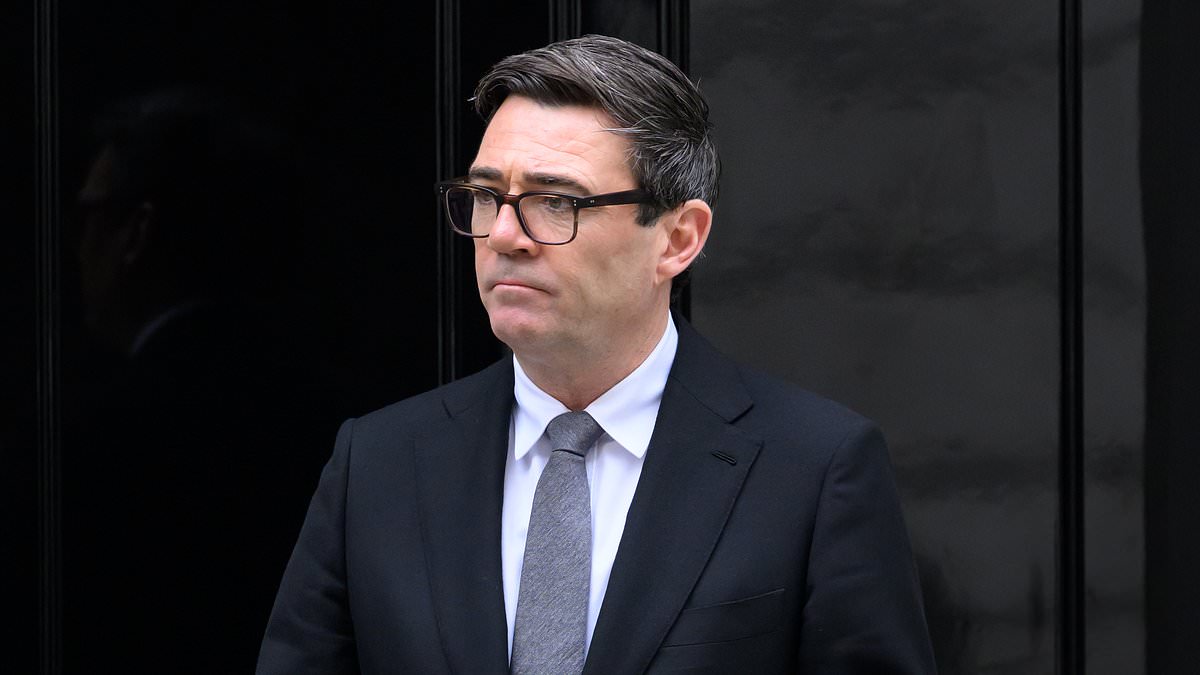
Energy bills for UK households will surge by more than a quarter from the start of next year, the regulator revealed today - as experts warned of a 'very serious situation'.Ofgem has confirmed that the energy price cap for the three months from January to March will rise by 26 per cent - putting it at its highest level in four years.If sustained for a year, the cap will increase from £1,723 to £2,166 from January 1 - making a typical household's dual-fuel bill jump by £443 a year, or £36.91 per month.Campaigners have stressed that it is 'not too late' for further Government intervention to help hard-hit households affected by the rise in England, Scotland and Wales.The bleak outlook comes after escalating violence in the Middle East sparked a fresh jump in oil and gas prices in October, amid fears over gas supply levels in Europe.Wholesale prices have since eased back, helping to support a reduction in petrol prices – but it was too late to affect the calculation for the new price cap.Neil Kenward, Ofgem's director general for markets, said today: 'Conflict in the Middle East continues to drive energy costs higher, and we know this price increase will be a worry for many households as winter approaches.'We urge anyone who is struggling to afford their energy bills to reach out to their supplier, who must offer appropriate support and advice – we are writing to suppliers today to remind them of their obligations and ensure they are ready to provide that support.'There are things that customers can do right now which could reduce their energy bills this winter, such as considering if the predictability of a fixed tariff is right for you – or changing to direct debit if you currently pay on receipt of bill, which would save the average customer about £160 over a year. Prime Minister Andy Burnham outside 10 Downing Street yesterday'And there is useful advice available on how to reduce how much energy you use, for example from the Energy Savings Trust.'The hike comes on top of already high energy costs, with the price cap having increased by 4 per cent at the start of last month. Households will ultimately see a rise in bills even once receiving a Government payment of £100 towards their bills from next year. Changes to energy price cap per unit and standing charge ELECTRICITYJanuary to March 202732.69 pence per kWh54.77 pence daily standing chargeOctober to December 202626.32 pence per kWh54.83 pence daily standing chargeGASJanuary to March 202710.96 pence per kWh29.65 pence daily standing chargeOctober to December 20267.97 pence per kWh29.68 pence daily standing charge The payment for up to 20 million households comes alongside a temporary 5 per cent VAT cut from electricity bills until June next year.The Chancellor also announced in his autumn budget that gas standing charges will be scrapped in England, Scotland and Wales.Energy Secretary Miatta Fahnbulleh said: 'I know people are deeply concerned by another rise in energy bills.'For too long, British families have been paying the price for conflicts overseas and volatile fossil fuel markets.'To help this winter, we're stepping in to give families some breathing space, so from January, the majority of households will get £100 towards their energy costs.'But there is more to do to take the pressure off families and bring bills down for good.'That means more cheap, clean, homegrown power so we're less reliant on expensive fossil fuels, and reforming our broken energy system so it's fairer for British people.'But campaigners have said that current support will still leave millions of people facing a surge in their bills.Simon Francis, coordinator of the End Fuel Poverty Coalition, said: 'Households are set to pay more for gas than ever before with changes coming in the depths of winter.'For millions of people that equals cold homes, mounting debt and having to make impossible choices. Energy Secretary Miatta Fahnbulleh said people are 'deeply concerned' by another rise in bills'It means parents going without so their children can stay warm, people who rely on medical equipment rationing their electricity and households on prepayment meters left with no heat at all once their credit runs out.'He added: 'The Government should be investing more in helping households get off gas for good and ending our exposure to these volatile prices, and it is not too late for Ministers to also take action that would make a difference this winter.'Richard Neudegg, director of regulation at Uswitch.com, said: 'This is a very serious situation. Households need to act now to avoid the worst of this winter, as gas rates head for their highest ever level.'This is no longer the time to wait and see. If you're on a standard tariff, you will be exposed to the full increase and need to act before January to limit the damage. What is Ofgem's energy price cap and how does it work? The energy price cap sets a maximum price that suppliers can charge customers in England, Scotland and Wales for each unit of gas and electricity they use.It also sets a maximum daily standing charge – the cost of having your home connected to the grid.The headline price cap figure provided by Ofgem indicates what a household using gas and electricity and paying by direct debit can expect to pay if their energy consumption is typical.It is important to note that it does not limit a home's total bills because people still pay for the amount of energy they use – so if that is above the average they will pay more, and if it is below they will pay less.Energy is regulated separately in Northern Ireland. 'Switching to a well-priced fixed deal is the only effective way to avoid paying these rates. The cheapest deal could save an average of £412 a year against January's levels, but bills vary depending on where you live and how much you use, so it's vital to run a comparison to find the right option for your home.'We know households are already paying closer attention to their energy usage, and there are free tools available to help make this easier. When rates are high, small changes make even more of a difference.'If you're worried about paying your bills, reach out to your supplier as early as possible, as they can advise on payment plans, as well as any grants and schemes that may be available to you.'Matt Hartley, director of external affairs at the Money Advice Trust, also said: 'Millions of households will be asking the same question today: where on earth are we meant to find the money to cover such a steep rise in energy bills at this time of year?'The answer for many will be that they can't. More than two in five of the people we help are already in a negative budget and do not have enough to cover their essential household bills, even after expert budgeting advice.'The government has taken positive steps to support people with their bills in the Budget, through the removal of VAT on electricity bills, alongside measures to address the ever-growing burden of energy debt.'But in the face of such a brutal rise in prices during the coldest months of the year, more support will be needed to keep people warm, to help people keep the lights on and to stop people falling into deeper debt.'Meanwhile councils will start contacting households eligible for a £100 payment towards energy costs.Local authorities will be asked to start making the payments, announced at the Budget last month, on January 4.For 13million of the 20 million households in council tax bands A to D in England due to get the money, it will automatically go into their bank accounts.Councils will contact the remaining households who do not pay their council tax by direct debit to ask whether they would prefer to receive it via bank transfer or have it credited to their council account.The devolved Scottish and Welsh governments have received funding to set up their own parallel schemes.Chancellor John Healey said: 'Families are worried about energy bills rising again this winter. Whilst we can't control movements in global energy markets, we're doing what we can to protect household finances and give families some breathing space.'That's why 20 million households will receive £100 from January. Today we're setting out how money will be paid to families straight into their bank accounts.'Councils are also getting guidance on how to divide up a separate discretionary fund of £100million aimed at supporting those who are vulnerable and facing not eligible for the £100 scheme.A spokeswoman for the Department for Energy Security and Net Zero said: 'We know rising energy prices are putting pressure on families, which is why we have taken immediate action to give people breathing space, with extra support for those who are struggling the most.'From January, up to 20million households will receive £100 towards their energy costs, with support reaching the vast majority of low-income households.'Around six million of these will also receive the £150 Warm Home Discount, on top of our cut to VAT on all households' electricity bills.'Can you save money on energy bills? Check the best fixed deals Energy bills are rising due to conflict in the Middle East and forecast to jump substantially again in January 2027. But it is still possible to switch to fixed rate energy deals that can save you money and lock in far lower prices. This is Money's recommended partner Uswitch lets you compare the best energy deals for you, based on your home and gas and electricity costs.> Check the best fixed rate energy deals with Uswitch and This is Money*By entering your address and energy usage, you can search for energy deals that can cut your costs and suit how you live.Switching energy provider can also help the planet, if you move to one of the green deals offering electricity from renewable sources and more environmentally-friendly gas.> Read our guide: Best fixed energy deals that beat the price cap *Affiliate links: If you take out a product This is Money may earn a commission. This does not affect our editorial independence.
Burnham's unhappy New Year: Labour accused of making energy crisis WORSE with EU deal as Brits face £444 bill hike in January - wiping out token Government help
Full Article
Original Source
Read the full article at Dailymail →KhanList aggregates and links to publicly available news content. We do not host full articles from third-party sources. Always verify important information with original sources.