
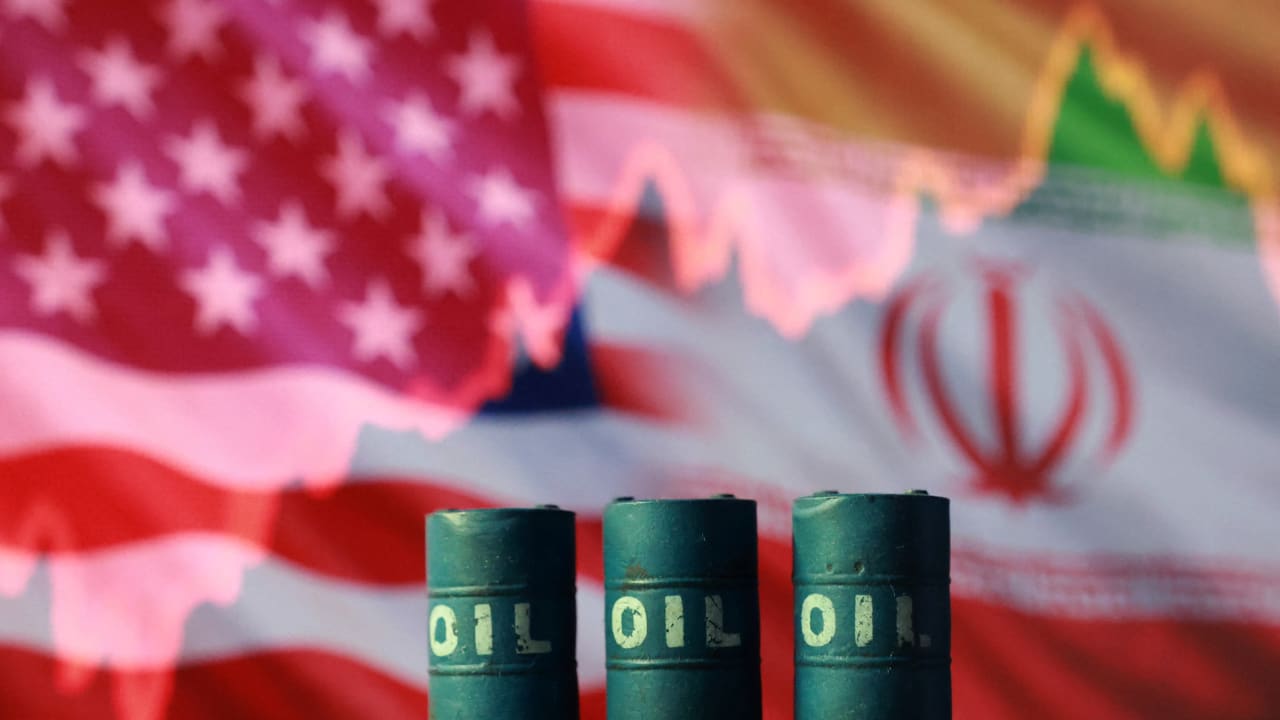
Jerusalem Post/Business & InnovationThe Houthi attacks could threaten crude shipments via the Red Sea, which has been a key alternative route to the crucial Strait of Hormuz, where crude flows have been severely curtailed.Follow us on GoogleIllustration shows U.S. and Iranian flags, 3D printed oil barrels and rising stock graph(photo credit: REUTERS/DADO RUVIC)SEPTEMBER 9, 2026 11:14Benchmark Brent crude oil futures LCOc1 rose past $100 a barrel on Wednesday, breaching the symbolic barrier for the first time since July 24 as intensifying conflict in the Middle East fuelled growing concern about oil flows from the region.Brent crude futures LCOc1 rose $2.15, or 2.2%, to $100.07 a barrel by 0721 GMT, while US West Texas Intermediate crude CLc1 was up $1.70, or 1.83%, at $94.73 a barrel.Brent crude prices have risen by a quarter since early last month as hopes fade for a permanent resolution to the six-month-old US-Iran conflict.Houthi attacks raise concerns over Red Sea shipmentsThis week, attacks by Iran-backed Houthis on Saudi energy facilities set oil installations ablaze, threatening a significant expansion of the conflict.A satellite imagery shows Bab el Mandeb Strait, a key shipping waterway and the gateway to the Red Sea, as Iran threatens using Yemen's Houthi allies to shut the Bab el-Mandeb gateway to the Red Sea, in this handout picture dated July 12, 2026. (credit: NASA Worldview/Handout via REUTERS)The Houthi attacks could threaten crude shipments via the Red Sea, which has been a key alternative route to the crucial Strait of Hormuz, where crude flows have been severely curtailed since the February 28 start of the Iran war.A growing number of banks, including Goldman Sachs, Bank of America and HSBC, have raised their crude price forecasts in recent days.In the week before a resumption in fighting on August 30, roughly 8 million to 9 million bpd had flowed through Hormuz, double the previous week's volume, according to Rystad Energy's Chief Economist Claudio Galimberti, although more recently it had fallen below 2 million bpd.While non-OPEC oil producers, including the United States, Canada and Guyana, have ramped up output, the International Energy Agency said last month it expected global oil supply would fall this year by 4.3 million bpd, or about 4%.Follow us on Google
Brent crude rises above $100 a barrel as Middle East conflict escalates
Full Article
Original Source
Read the full article at Jpost →KhanList aggregates and links to publicly available news content. We do not host full articles from third-party sources. Always verify important information with original sources.