
Last April, the Federal Communications Commission (FCC) announced that it was reviewing the broadcast licenses held by ABC's eight network-owned TV stations years before they were scheduled for renewal. The FCC had not conducted an early review of any broadcast license in more than half a century, and it had never done so simultaneously for all the stations operated by a particular network. That unprecedented action, ABC and its parent company, Disney, argue in a federal lawsuit filed last week, is part of an unconstitutional intimidation campaign that has already had a chilling impact on broadcast journalism. A bipartisan group of former FCC officials, including commissioners appointed by Ronald Reagan and George H.W. Bush, agrees that the agency has launched "an assault on free speech disguised as regulatory process" to "punish speech disfavored by the Trump administration." President Donald Trump has been threatening to yank the licenses of broadcasters who irk him since his first term. But this time around, the FCC's Trump-appointed chairman, Brendan Carr, seems eager to act on that vindictive impulse. Carr portrays the ABC review as a response to "diversity, equity, and inclusion" programs that may qualify as "unlawful discrimination." But he has made it clear that the FCC also is considering the broader question of whether ABC's stations are serving "the public interest," a vague statutory mandate that he views as a license to override freedom of the press. The president's beef with ABC includes news coverage he views as overwhelmingly negative, its fact-checking during a 2024 presidential debate, anti-Trump commentary on shows such as The View and Jimmy Kimmel Live!, and the network's refusal to air his July 16 primetime speech, which followed a long line of similar calls by TV networks under prior administrations. Carr, who routinely amplifies such complaints, agrees that they demand the FCC's attention. Shortly after taking office, Carr reopened an FCC investigation of ABC's allegedly biased debate moderation. Last September, Carr threatened ABC stations with fines or license revocation if they failed to punish Kimmel for suggesting that conservative activist Charlie Kirk's assassin was a Trump supporter. Carr, who announced the early review of ABC's licenses the day after Trump and his wife objected to a joke Kimmel had made on his show, says the network's decision against broadcasting Trump's speech will figure in that process, which could drag on for years. Carr also has threatened to rescind The View's longstanding "bona fide news exemption" from the FCC's "equal time" rule, which in practice would amount to a ban on interviews with political candidates. Such regulatory threats have an observable impact. ABC and its affiliates immediately met Carr's demands by suspending Kimmel's show for a week last fall, The View has stopped interviewing political candidates, and ABC says it carried Trump's whole speech on its streaming channel only because it was worried about antagonizing the FCC. The effects extend beyond ABC. Once TV networks understand that the FCC's objections to their reporting or editorial judgments can pose an existential threat to the stations they operate, they are apt to think twice before making decisions that might upset the president. From Carr's perspective, that is the whole point. "Through this proceeding," the former FCC officials say, the commission "seeks to censor Disney's and ABC's speech and send a chilling message to all broadcasters: carry speech we don't like at your peril." Carr, an avowed First Amendment champion, improbably claims he is trying to "re-empower local TV stations" by "reminding them" about their "unique public interest obligations." It is hard to see how threatening to put broadcasters out of business empowers them to do anything but kowtow to the president. "It's not our role to be the speech police," Carr told Politico last month. Yet Carr, who brags that Trump is "winning" his fight against "the fake news media," clearly sees himself as a warrior in that battle, which conflates "the public interest" with the president's personal grievances. © Copyright 2026 by Creators Syndicate Inc.
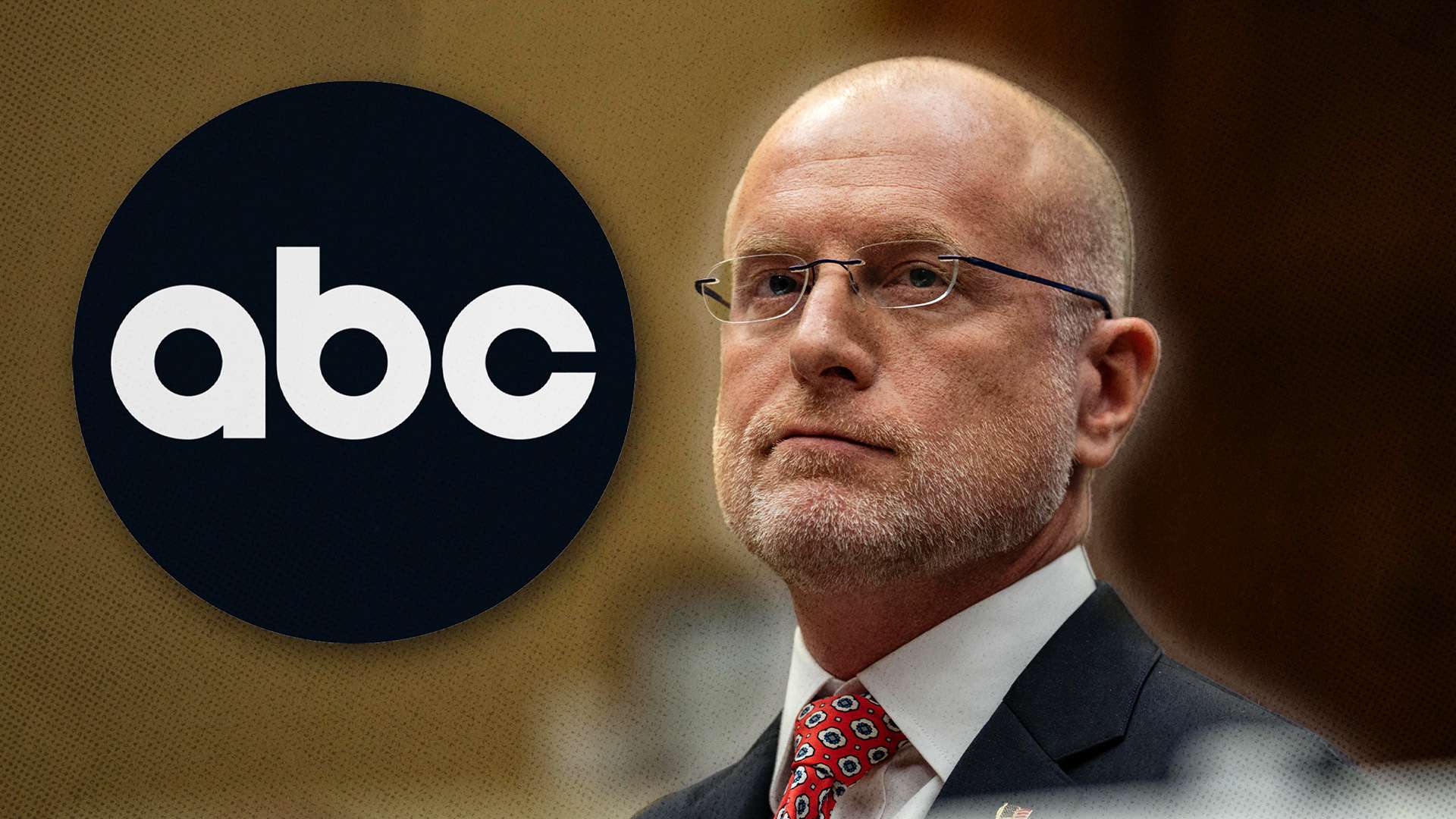
Brendan Carr's Vendetta Against ABC Conflates the 'Public Interest' With Trump's Personal Grievances
Full Article
Original Source
Read the full article at Reason →KhanList aggregates and links to publicly available news content. We do not host full articles from third-party sources. Always verify important information with original sources.