
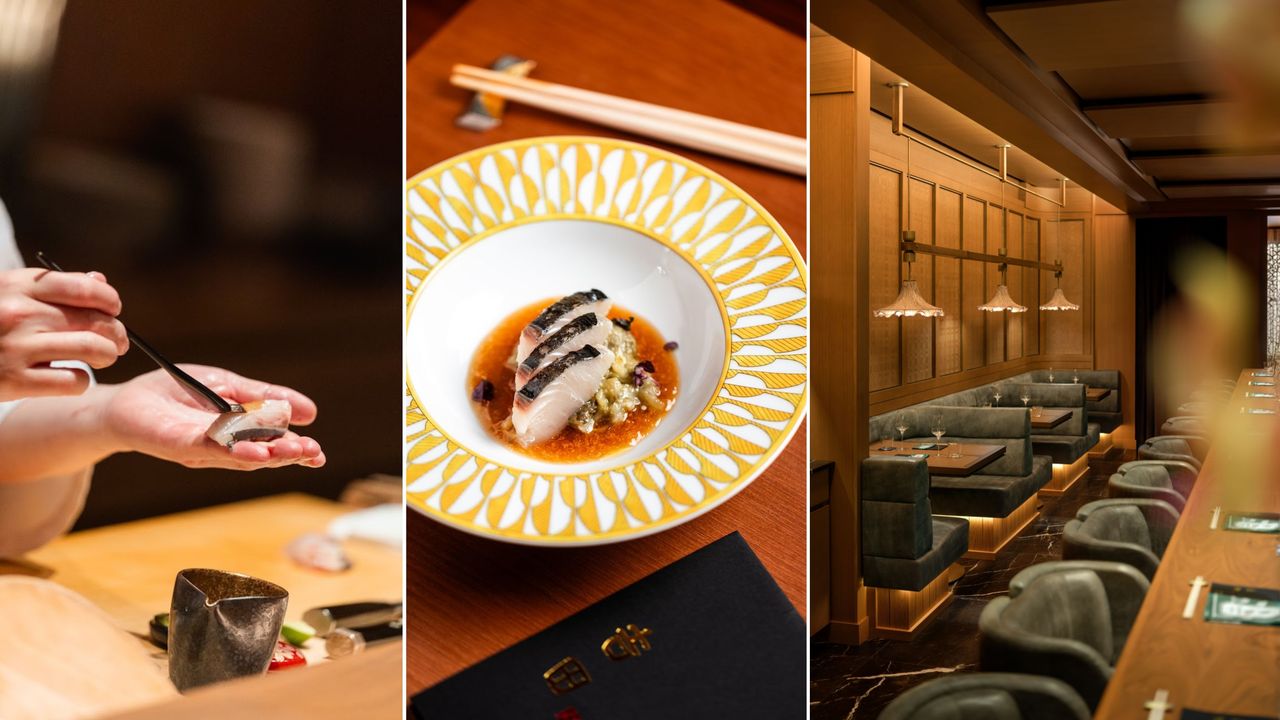
From lavish omakase counters with Hermès plates and a Michelin-star winner to unfussy, neighborhood gems, here are the Boston spots that our sushi snobs (yes, there are many here) rely on.Derrick Zellmann PhotographyIf there’s anything I know about Boston, it’s that this is a city that knows its seafood. Because of location and fishing heritage, we sling lobster rolls and oysters and fried clams by the bucket—so it should come as no surprise that sushi, too, has become a serious part of the city’s more upscale dining culture. Yes, travelers come here to experience our classic sea coast and clam shacks, but increasingly you’ll find that Boston has a robust enough sushi scene to excite international visitors, too—one that benefits not only from our abundant local fisheries, but also the international demand that make it possible to source special ingredients like fish flown in straight from Japan.And closer look at Boston’s sushi restaurants of the past decade reveals the makings of a true scene; not only those destination, chef-driven restaurants worthy of special occasions, but also quieter neighborhood spots that Bostonians integrate into their regular takeout routines and locals line up for (Cafe Sushi, anyone?). And unlike lobster rolls, which have a pretty canonical form, sushi in Boston runs the gamut from highly traditional to the wildly inventive. If you’re coming to Boston, yes, seek out the fried clams and classics—but also make sure to pencil in some time for excellent sushi, too—including a newly minted Michelin-star spot. Here’s where.HEIDI KIRNHEIDI KIRNO YaIf you want to understand why Boston’s sushi scene deserves to be taken seriously, start with O Ya. It’s set inside a century-old former firehouse in the Leather District, and it’s been one of the city’s most respectable reservations since it was opened by James Beard Award-winning chef Tim Cushman and his co-founder and wife Nancy Cushman in 2007. The heart of the experience is a 20-course omakase built around nigiri and sashimi, but “traditional sushi” this is not. Each bite is deliberately composed with the rhythm and crescendo of a piece of music, a reflection of Tim Cushman’s background as a musician, resulting in sushi that feels deeply considered but also playful. Don’t miss the sake program, one of the most robust in the country. O Ya turns 20 in 2027—and after two decades, it is still the sushi restaurant against which many of Boston’s newcomers are measured.Café Sushi ShotenGreat sushi doesn’t have to be precious, which is exactly what Cafe Sushi Shoten is selling. The longstanding Cambridge favorite evolved into a takeout-focused operation during the pandemic, but what some might see as a compromise has become part of its appeal. The sushi is meticulous, reliable, and remarkably fresh. You can pick up beautiful prepared bento boxes and signature rolls without committing to a three-hour omakase—making this a perfect regular spot for the neighborhood’s many locals and students.Umami OmakaseChef Gary Lei has a compelling story—he first came to the United States in 2010 and worked at the popular Sushi Den in Denver before moving to Boston, working at Uni for five years, and then starting his own operation in Cambridge in 2019. Rooted in tradition but unafraid to mix in new world creativity, he certainly has an eye for the theatrical. Garnishes are elaborate and creative—think bites of caviar-topped nigiri, duck breast arriving under a cloche, perhaps a little Japanese A5 wagyu as a decadent treat—but the details are highly precise, as well. An omakase menu spread over 18 courses, Umami lives up to its name with dishes that are deeply flavorful. Don’t miss the chance for sake pairings, which come in flexible options of three, four, or five glasses throughout your meal.chrissifiedZuma BostonSometimes you want a sushi restaurant that hums with the energy of a classic Sex and the City episode—and this Zuma outpost is that for Boston; one of only six across the US. Located inside the Four Seasons Hotel One Dalton Street, this sleek, social spot is designed for lingering over cocktails and sharing izakaya-inspired plates. The sushi is strong and contemporary, but the real appeal here is the total package: polished surroundings, a lively dining room, and the feeling that you might as well order another round of drinks. This is where to go when you want your sushi to really feel like a night out.Momi NonmiChef Chris Chung trained at Uni before opening Momi Nomi in 2017 in Cambridge’s Inman Square. It’s been popular with sushi fans all along, but this 25-seat restaurant still has the atmosphere of a best-kept secret, thanks in part to its unique menu: it blends influences from Japanese sushi with Chung’s native Hawaii, for an inventive mix that exists nowhere else in Boston. You’ll have expertly sliced sashimi for one course, then Spam musubi or glazed duck drumettes the next. Thursdays and Saturdays, the kitchen stays open until 12:30 A.M., making this one of the Boston area’s rare spots for a fabulous late-night meal.Wa ShinBay Village—a tiny residential neighborhood dwarfed by its glamorous neighbors of Back Bay and South End—can have a bad food rap among locals; but no longer. Many visitors walk through Bay Village without even realizing they’re in it, but Wa Shin is bringing new energy to its Stuart Street location. That's thanks to the impeccable credentials of its chef, Sky Zheng—who was mentored by Master Chef Daisuke Nakazawa, the protégé of Jiro Ono, one of the greatest living sushi craftsmen alive today. Chef Sky’s rigorous training at New York’s Sushi Nakazawa is reflected here in Boston, where his elegant omakase counter, crafted from fine hinoki wood, offers a vision of sushi that is precise, inspired, and drawn heavily from seasonal New England ingredients.Derrick Zellmann PhotographyBrandon BarréYoshida OmakaseTo my point about wanting your sushi to feel like a night out: If Zuma is all about the social energy, Yoshida is its quiet luxury cousin. Not that its interiors are all that quiet—they’re designed by David Rockwell, who made them into a Deco-inflected jewel box where every detail has been highly considered, down to the Hermès plates. Truly, it’s one of the most beautiful dining rooms in all of Boston, complete with woven wood paneling, ribbed glass, fluted mirror, and hand-painted rice field artwork. It’s a worthy setting for the excellent sushi: Chef Tony Cao focuses on Edomae-style preparations, using authentic ingredients and precise techniques such as dry aging to emphasize the natural flavors of the fish.Three 1 OneThree 1 One is the type of restaurant you could walk right past without even realizing it. Hidden behind an unassuming door on the ground floor of a South End brownstone, this intimate omakase counter rose to prominence as one of Boston’s hot spots last year when it became the city’s only Michelin-starred restaurant. Its chef-proprietor Wei Fa Chen trained under renowned chef Masa Takayama at Masa in New York City before setting up shop in Boston, where this tiny, ten-seat counter quickly became one of the city’s toughest tables to book. The 18-course journey begins with a few creative appetizers—including tilefish with crispy fried scales, a house specialty—then returns to more traditional sushi, where rare and special cuts of fish take center stage.UniUni has been doing boundary-pushing sushi in Boston before the current omakase boom arrived. The restaurant, tucked into Back Bay underneath the Eliot Hotel, has long been associated with an approach to Japanese cuisine that takes creative liberties: the signature “Uni spoon,” for instance, is a decadent starter that combines creamy sea urchin with a dab of briny caviar. Traditional? No. But inventive, and worthy of consideration? Without a doubt. And considering that many of Boston’s top sushi chefs cut their teeth training in the kitchen here, it has certainly earned its spot on this list.SomenyaSomenya has one location in Boston’s Chinatown and another in the Wollaston Square area of Quincy, and both have garnered loyal, local followings—in no small part due to the approachably priced menu. The house specializes in soba and udon, but also has a menu of izakaya and sushi dishes that makes it possible to order a bit of everything. Compared to some of the city’s pricier omakase counters, the prices here have reverse sticker shock: a plate of scallop sashimi with salmon roe and yuzu for just $13, a torched salmon maki roll for $16. The addition of warm comfort foods like karaage chicken and beef curry udon noodles might make some purists raise an eyebrow, but that’s exactly what makes Somenya so appealing.Washoku RenaissanceOne of the most surprising sushi destinations in Boston is Washoku Renaissance in Charlestown, an unassuming omakase counter hidden away in Foundation Kitchen, a shared commercial kitchen and food-hall project in Sullivan Square, an area more known to locals for its nightmare-inducing traffic than its world-class sushi. But flying under the radar here is one of Boston’s best sushi gems: an eight-seat counter offering kaiseki, traditional multi course Japanese dining that focuses on seasonality and artistic presentation. There are plenty of Japanese imports, but chef Youji Iwakura also works with lots of New England fish. It’s a strange setting for sushi this good, but that’s all part of what makes this underdog so satisfying.Fuji at High Street PlaceFuji might seem easy to overlook because it’s located inside High Street Place, but don’t discount the food hall setting. The menu here runs from classic nigiri and sashimi to more elaborate rolls, including the High Street Roll made with tuna belly, salmon belly, uni, and fresh truffle. There are three types of uni available, plus a great lineup of Japanese whisky and sake. Considering all the higher-priced sushi spots in this city, Fuji’s counterpoint stands for something else: that excellent sushi can be found for a reasonable price and enjoyed on the go.Blue Ribbon SushiA true Bostonian would be loath to admit that a New York restaurant group belongs here in the heart of the city in Kenmore Square, but the quiet, enduring success of Blue Ribbon Sushi in a neighborhood where many other restaurants have failed, is proof: high-quality sushi has a home here. Good sushi is ultimately about the details, and those are what Blue Ribbon does best, from the scratch-made miso soup to the hand-grated wasabi, to in-house pickled ginger and proprietary soy sauce aged in oak casks for 24 months. It’s on the ground floor of the Hotel Commonwealth, a great place to stay if you’re catching a game at Fenway Park.Tora Japanese RestaurantOpened in 2017, this Chinatown spot is where fish aficionados go to get their sushi fix. It isn’t fancy, but what Tora lacks in pomp and circumstance it amply makes up for with execution. There are nigiri and roll options available, but the specialty here is kaisen-don rice bowls topped with an assortment of fresh raw fish. Tora isn’t afraid to cook up unusual takes on sushi, either, like grilled yellowtail collar, or a hamachi sashimi drizzled with sesame dressing and a hint of truffle oil. There are also some poke bowls and hot entrées like teriyaki broiled eel over rice on the menu.–––Lola 42A sister restaurant to Nantucket favorite Lola 41, Lola 42 is far from traditional, and instead stands for what American sushi has become today: global. The thesis of this restaurant is “cuisines from the 41st parallel,” which feels like more of a suggestion than a strict parameter. The menu here spans fabulous sushi, yes, but you’ll also find international dishes like Korean beef bulgogi, cavatelli bolognese, and indulgent lobster fried rice. It’s a curation that will leave sushi snobs reeling, but somehow, against all odds, works—which is why Lola 41 continues to expand with new locations in Naples, Florida, as well as in the White Elephant hotels in both Palm Beach and Aspen.MatsunoriThere’s an unwritten rule that restaurants in Fenway like to keep things moving—patrons in this part of town often have Red Sox games or concerts at MGM Music Hall to catch. So the no-reservations spot Matsunori fits right in. The specialty here is hand rolls made to order and served one at a time, so you can eat each one by hand while the nori is still crisp. But don’t presume that since this isn’t a three-hour omakase experience that any corners have been cut. Quite the opposite: fish is treated as the main star here, and rice is never used as filler; and the ingredients are exceptional, down to the A5 wagyu sourced from co-owner Kevin Liu’s family farm in Miyazaki, Japan.Akami OmakaseVenture over to Coolidge Corner in neighboring Brookline and you’ll find Akami Omakase, an unpretentious omakase counter beloved by locals. In terms of value, this is probably your best bet for a proper omakase experience in Boston—with thirteen courses coming in at $89 per person and sixteen for $109. The room is small and cozy, and the experience is chef-led, with the focus on the fish and the progression of flavors. There might be non-traditional flourishes here and there such as blow-torched sushi, but the overall experience leans more old school than not.For over twelve years, award-winning travel writer Todd Plummer has traveled the globe in search of compelling narratives and passionate people. He is a seasoned connoisseur of hotels and ecotourism experiences, and his regions of interest include Canada, Southern Africa, and his native New England. An adventurer, skier, and polo ... Read MoreCharming and legitimately historic
Boston Is One of America’s Best Sushi Cities—Here’s Where to Make a Reservation
Full Article
Original Source
Read the full article at Cntraveler →KhanList aggregates and links to publicly available news content. We do not host full articles from third-party sources. Always verify important information with original sources.