
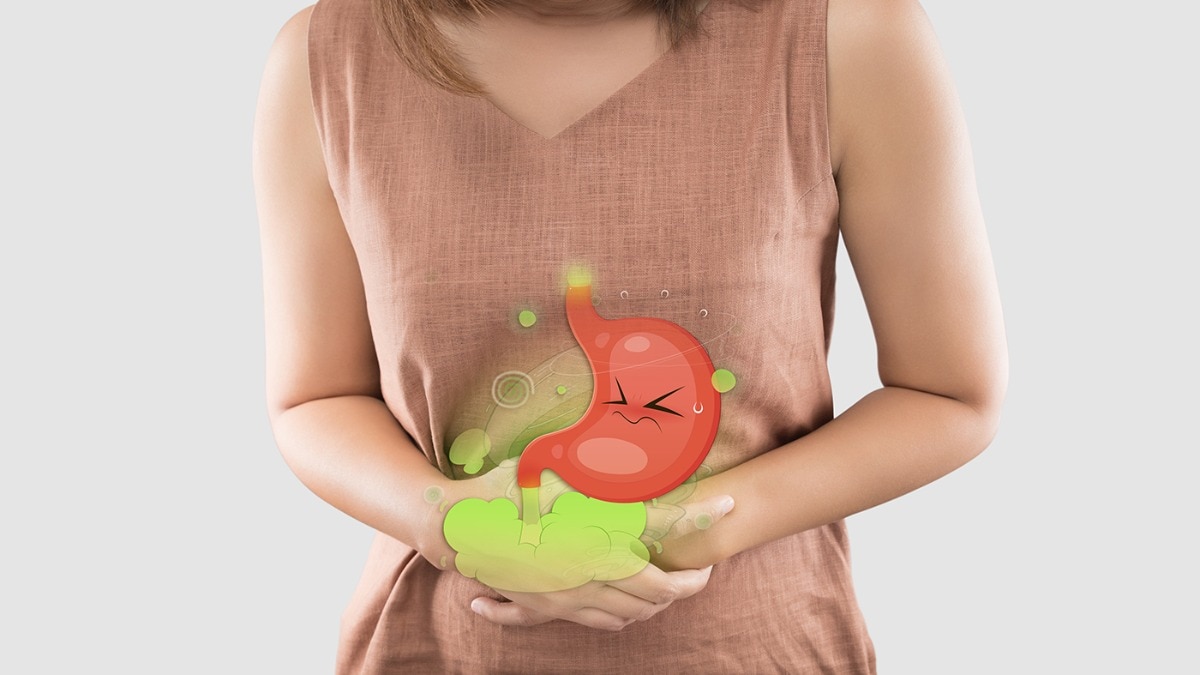
Feeling bloated after almost every meal, even when eating small portions, can be uncomfortable and frustrating. While bloating may result from eating too quickly, swallowing excess air or consuming gas-producing foods, recurring symptoms can sometimes point to an underlying digestive problem.According to Dr. Vikas Jindal, Consultant, Department of Gastroenterology, CK Birla Hospital, Delhi, persistent bloating may be associated with food intolerances, constipation, irritable bowel syndrome (IBS) and other digestive conditions. Identifying the cause is important, particularly when symptoms continue for weeks or begin affecting daily life.WHY DO YOU FEEL BLOATED AFTER EVERY MEAL?Eating too quickly, drinking carbonated beverages, constipation and consuming foods that produce gas can all contribute to bloating.Food intolerances and digestive conditions, including IBS and functional dyspepsia, may also cause recurring discomfort. If bloating occurs after almost every meal, even when portions are small, a medical evaluation can help identify the underlying cause. NORMAL FULLNESS OR PERSISTENT BLOATING?Feeling full after eating is normal and usually eases as digestion progresses. Bloating, however, may cause the abdomen to feel swollen, tight or uncomfortable, even after a small meal.If symptoms persist for several weeks, interfere with daily activities or occur alongside abdominal pain, constipation, diarrhoea or feeling full unusually quickly, consulting a gastroenterologist is advisable.CAN FOOD INTOLERANCES TRIGGER BLOATING? Lactose intolerance, coeliac disease and sensitivity to certain fermentable carbohydrates, known as FODMAPs, can cause bloating, gas and abdominal discomfort.Keeping a food and symptom diary may help identify potential triggers. Depending on the symptoms, a doctor may recommend specific tests or a supervised elimination diet.However, do not stop eating gluten before getting tested for coeliac disease, as removing it from your diet can affect test accuracy.WHEN COULD BLOATING SIGNAL A DIGESTIVE CONDITION?Persistent bloating can be associated with irritable bowel syndrome (IBS), constipation, functional dyspepsia and small intestinal bacterial overgrowth (SIBO). These conditions can affect bowel movements, gut sensitivity or digestion, leading to gas and discomfort.Acid reflux may occur alongside bloating, although it is not always the direct cause. A medical assessment can help determine which condition, if any, is responsible.WARNING SIGNS YOU SHOULD NOT IGNOREBloating accompanied by certain symptoms requires medical attention. These include:- Unexplained weight loss.- Persistent abdominal pain.- Frequent vomiting.- Blood in the stool.- Significant changes in bowel habits.Seek emergency medical care if severe abdominal pain occurs with abdominal swelling, vomiting, or an inability to pass stool or gas. Persistent or worsening symptoms should not automatically be dismissed as indigestion.HOW TO REDUCE BLOATING AFTER MEALSSimple dietary and lifestyle changes may help ease symptoms. Dr. Jindal recommends focusing on eating habits and identifying individual food triggers rather than unnecessarily eliminating entire food groups.Some measures to consider include:Eat slowly: Chew food thoroughly and avoid rushing through meals.Limit carbonated drinks: These can contribute to excess gas.Try smaller meals: Large portions may worsen discomfort in some people.Stay hydrated: Adequate fluid intake can help, particularly if constipation contributes tobloating.Exercise regularly: Physical activity may support bowel regularity.Identify personal triggers: Keep a food and symptom diary instead of cutting out multiple foods without guidance.Unnecessary restrictions on dairy, gluten or other food groups can make it harder to maintain a balanced diet and may lead to nutritional deficiencies.WHEN SHOULD YOU SEE A GASTROENTEROLOGIST?If bloating occurs after most meals, continues for several weeks or affects everyday activities, it is worth consulting a gastroenterologist, particularly if other symptoms accompany it.Depending on the suspected cause, investigations may include blood or stool tests, coeliac disease screening, hydrogen breath tests, abdominal imaging or endoscopy.Not everyone requires all these investigations; the choice depends on their symptoms and clinical assessment.Recurring bloating may have several possible causes, and there is no single dietary solution that works for everyone. Understanding the trigger, avoiding unnecessary food restrictions and seeking medical advice when symptoms persist can help people manage the problem more effectively.- Ends
Bloating after every meal? Gastroenterologist explains causes and warning signs
Full Article
Original Source
Read the full article at Indiatoday →KhanList aggregates and links to publicly available news content. We do not host full articles from third-party sources. Always verify important information with original sources.