
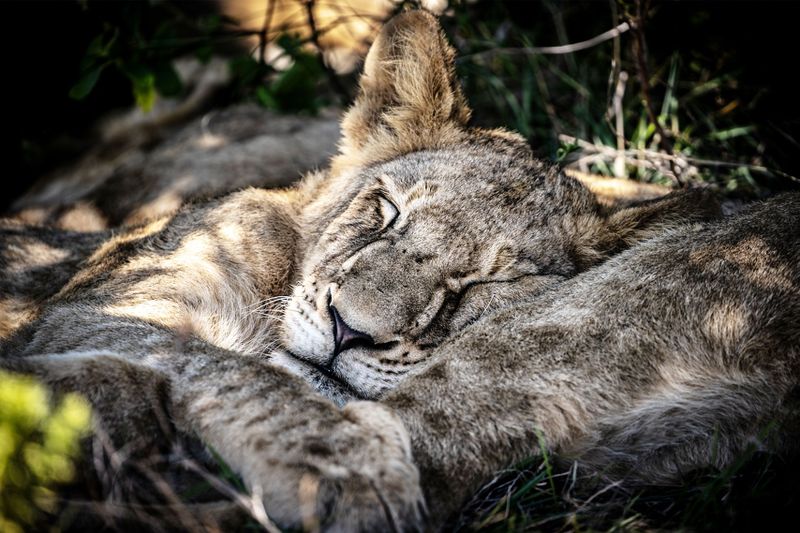
Let’s get one thing straight right from the start: you are not in Kruger to win a race. There are no medals for Most Animals Seen Before Breakfast, no special badge for Cheetah at Sunrise. Absolutely no safari deity is going to high-five you for flooring it past 300 impalas just to catch a cat tail flick, then disappear into the bush.Here’s a radical idea in a fast-twitch, big-five-or-bust world: take it slow. Not metaphorically. Not in a “mindful breathing” webinar kind of way. No, we mean actually slow down. Physically. Mentally. Existentially. Embrace the provocative absurdity of going to one of the most biodiverse wildlife areas on the planet and spending three hours looking at a log. That turns out to be a crocodile. Or not. It doesn’t matter.Here’s why it works – and how to do it. Think of Kruger not as a checklist, but as a mood. You are not the CEO of Animal Sightings Incorporated. You are not “achieving” anything. You’re just here. Alive. Sweaty. Surrounded by bush and birdsong and the constant threat of baboon-related theft.Slow game viewing is about watching. Not scanning. (Photo: Nick Kleer) This park is huge, like a small country. There’s no chance – no way – you’re going to “do” it all. The harder you try, the less you'll actually see. Why? Because animals hate that energy. They hear your revving engine and your internal monologue screaming “COME ONNNN! WHERE ARE THE LIONS?” and they scatter like unpaid interns at a tax seminar.Instead, think like a rock. Or, better yet, a sausage dog with low blood pressure. Unbothered. Horizontal. Committed to the moment. Want to see something truly extraordinary? Don’t chase it. Stake out a waterhole or a shady bend in the road and wait.We know. It sounds boring. It sounds like something your grandad would do. But it works. Here’s the science (by which we mean evidence from the best rangers in the world): the longer you sit still, the more the bush forgets you’re there. Birds return. Squirrels lose their inhibitions.When you can hear the insect orchestra, you’ve slowed to the right speed (Photo: Nick Kleer) The wind shifts. Suddenly, a kudu emerges. Then a warthog. Then a leopard, maybe. Or maybe just more squirrels. Whatever. You’ve joined the rhythm. A test: if you can hear the insects again, you’re doing it right.Here’s the truth. A lion, up close, is majestic. From 300 metres away, it looks like a rock with ears. You might see it yawning in the distance, blinking slowly like it’s just eaten a warthog. But the real magic? That’s in the details themselves. The twitch of an ear. The flick of a tail. The way the other animals behave around it.Slow game viewing is about watching. Not scanning. Not glancing. Watching. That impala? It’s not “just an impala”. Look again. Watch how the males posture, how the herd shifts as though they’re connected by invisible threads. There will be endless dynamics, guaranteed. It’s ballet. On hooves.You want to see a leopard, we get it. We all want to see a leopard. They’re elusive, gorgeous and have the confidence of top Vogue models. But the moment you fixate on finding one, you start missing everything else. You blow past giraffes mid-neck fight. You shrug at hyenas. You say things like “Oh, another elephant”, like a jaded politician at a small-town rally.Crocs seem to do absolutely nothing until suddenly… (Photo: Nick Kleer) When you go slow, you give the bush permission to suck you right in. You might see a dung beetle rolling a dung ball 10 times its size – uphill. You might witness two lappet-faced vultures bickering over a tibia. Or two fish eagles, talons locked, spiralling out of the sky in a death-defying tailspin. Fighting? Courting? Hard to tell, but intriguing to watch. Or a baboon sitting on a rock, eating a boiled egg he definitely stole from someone’s picnic basket. There’s majesty. And there’s chaos. Perhaps not cats or another of the Big Five, but all signs of life are worth watching.When you stop the car and cut the engine, something sacred happens: the bush gets louder. Not louder-louder. But alive-louder. Leaves crackle. Francolins chirp existential threats. Elephants break branches, so you know you have big company. Don’t ruin it by discussing your cousin’s wedding or a spreadsheet you once did in Excel that really streamlined workflows. This is sacred time. Whisper if you must speak. Or just say nothing.Silence, it turns out, is one of the best guides in Kruger. It draws things out. It humbles you. It also lets you hear your own thoughts, which may or may not be a good idea, depending on your caffeine levels. Sometimes, you’ll sit for hours. And nothing happens. Perfect.The goal of a slow safari isn’t to fill your camera roll. It’s to empty your head. It’s to remember that you are a human animal in a tiny car inside a vast ecosystem and that your schedule doesn’t matter to the hornbill trying to feed its chick or the hippo galumphing in a muddy pool.Some of the best days in Kruger end with no big sightings. But you’ll remember the quality of light on a black-backed jackal. The beauty of a bateleur eagle soaring overhead. The way the clouds shift. The lazy thrum of cicadas. You’ll remember how it felt to just be there.And that, oddly, may be the whole point. So next time you’re tempted to race past an elephant because someone on the park’s WhatsApp group said “wild dogs on the H4-1”, pause. Breathe. Watch the elephant. Watch it breathe. Then, if you must, go find the dogs – and remember, the slower you go, the more you’ll see. Even if it’s just a tree squirrel on a branch, staring into the middle distance. DM
BEING THERE: The magic of a slow South African safari in Kruger
Full Article
Original Source
Read the full article at Dailymaverick →KhanList aggregates and links to publicly available news content. We do not host full articles from third-party sources. Always verify important information with original sources.