
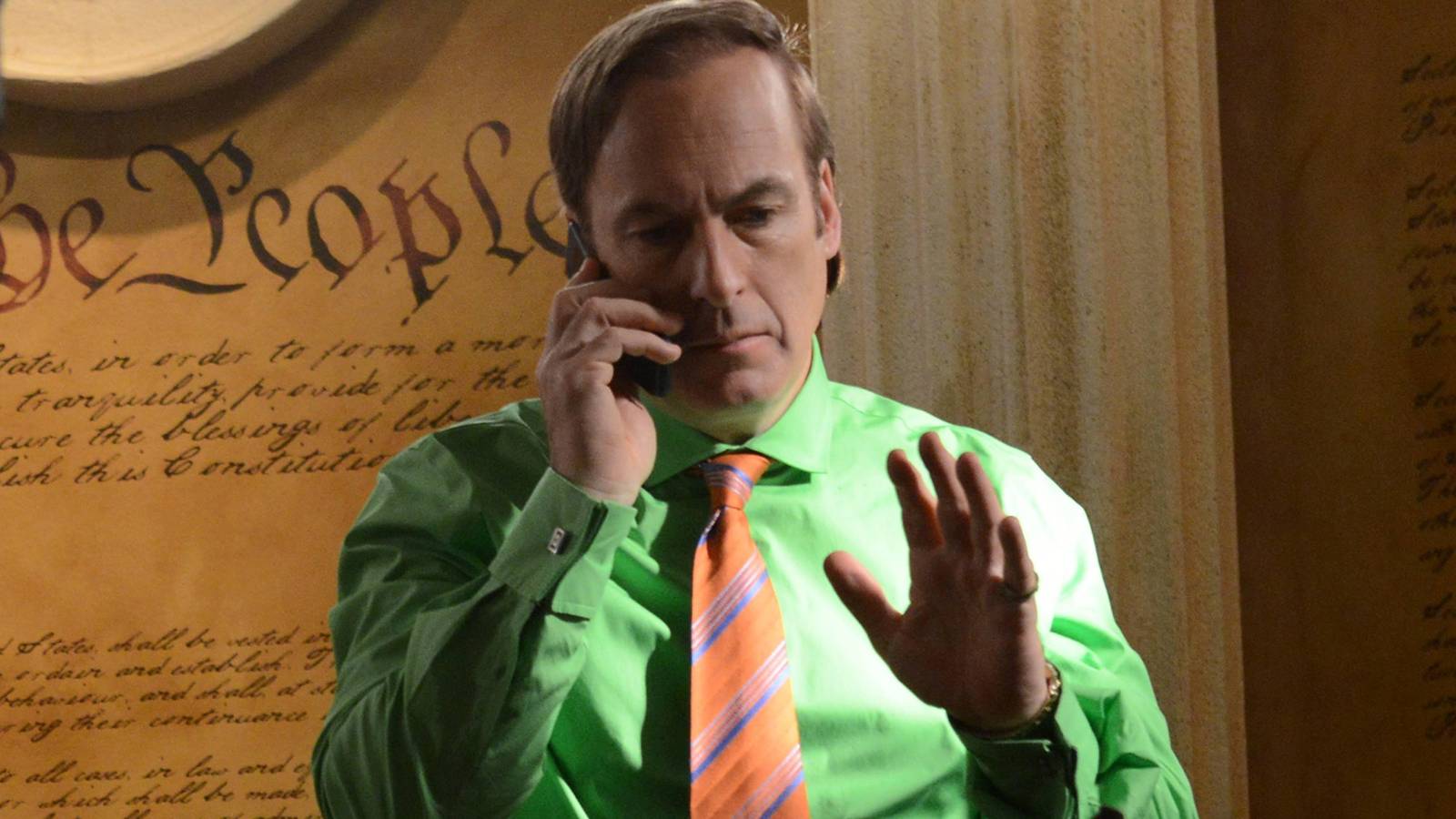
Published Sep 20, 2026, 4:30 PM EDT Ben Sherlock is a Tomatometer-approved film and TV critic who runs the massively underrated YouTube channel I Got Touched at the Cinema. Before working at Screen Rant, Ben wrote for Game Rant, Taste of Cinema, Comic Book Resources, and BabbleTop. He's also an indie filmmaker, a standup comedian, and an alumnus of the School of Rock. The role of Saul Goodman has given Bob Odenkirk’s career a second wind in the drama department. After turning heads as the comic relief in Breaking Bad, Odenkirk took center stage in the spinoff, Better Call Saul, and did exactly what his predecessor Bryan Cranston had done: a performer who’d been acclaimed for their comedic roles demonstrated an equal but opposite talent for drama. Since his career-redefining performance as Jimmy McGill, Odenkirk has worked with directors like Greta Gerwig and Steven Spielberg, transformed into an action hero in Nobody and Normal, and played the dreaded Uncle Lee in The Bear. But before he played Saul, Odenkirk already had an impressive body of work under his belt. He could’ve quit the business before he was even offered Breaking Bad and he would still be remembered as a legend. Before his dramatic career, Odenkirk was a heavy-hitter in the comedy world. He wrote for Saturday Night Live, he wrote for Late Night with Conan O’Brien, and he was cast in the seminal but short-lived The Ben Stiller Show, where he met a fellow comic named David Cross. Odenkirk and Cross put their heads together, discovered a special comedic alchemy, and joined forces for one of the greatest sketch comedies ever made: Mr. Show with Bob and David. Mr. Show Is A Masterpiece Of Absurdist Comedy Mr. Show ran for 30 episodes across four seasons on HBO, and while it never became a massive hit in the ratings, it was universally praised by critics and became a beloved cult classic. Mr. Show was one of the early defining works of the alternative comedy scene; it employed anti-jokes, surreal humor, and a tongue-in-cheek sensibility that kept some mainstream viewers at arm’s length. All these years later, Mr. Show holds up as a masterpiece of absurdist comedy. Most of its sketches are just as hilarious today, and the sharper satires have only gotten more and more relevant. “The Fairsley Difference” is an incisive takedown of unchecked capitalism and corporate monopolies that just keeps getting funnier in the age of WarnerMount and Samesung. “The Audition” might be the strongest, tightest sketch ever written — it’s as if Samuel Beckett wrote an SNL sketch. Mr. Show Is The Closest Thing To An American Monty Python Mr. Show is — and I don’t make this comparison lightly — the closest thing to an American Monty Python. America has delivered some great sketch shows (Chappelle’s Show, SCTV, Key & Peele, and of course SNL, to name a few), but they usually have a distinctly American sensibility, far removed from the dry wit and deadpan demeanor of Monty Python’s Flying Circus. I Think You Should Leave has a similar vibe (and Odenkirk was in that one, too!), but it’s much angrier and cringier, and Tim Robinson is in a league of his own. But Mr. Show is an American Monty Python in all but name. Odenkirk and Cross deftly recaptured Monty Python’s bone-dry cynicism, absurdist nonsequiturs, and their mix of highbrow and lowbrow humor. The Pythons’ big breakthrough was figuring out that sketches don’t have to end. The ending is always the toughest part of the sketch to write. It has to put a button on the whole piece; it has to satisfy as a punchline to the entire scene, but you only end the sketch once the premise has run out of comedic juice, so that punchline is almost always a let-down. But the Pythons came up with an ingenious workaround: you don’t have to end the sketch; just transition into the next one. When a Monty Python sketch started to wind down, they would just move on to the next one, either by a random nonsequitur or a thematic connection. Odenkirk and Cross carried that approach over to Mr. Show, and nailed it.
Before Saul Goodman, Bob Odenkirk Starred In America's Answer To Monty Python
Full Article
Original Source
Read the full article at Screenrant →KhanList aggregates and links to publicly available news content. We do not host full articles from third-party sources. Always verify important information with original sources.