
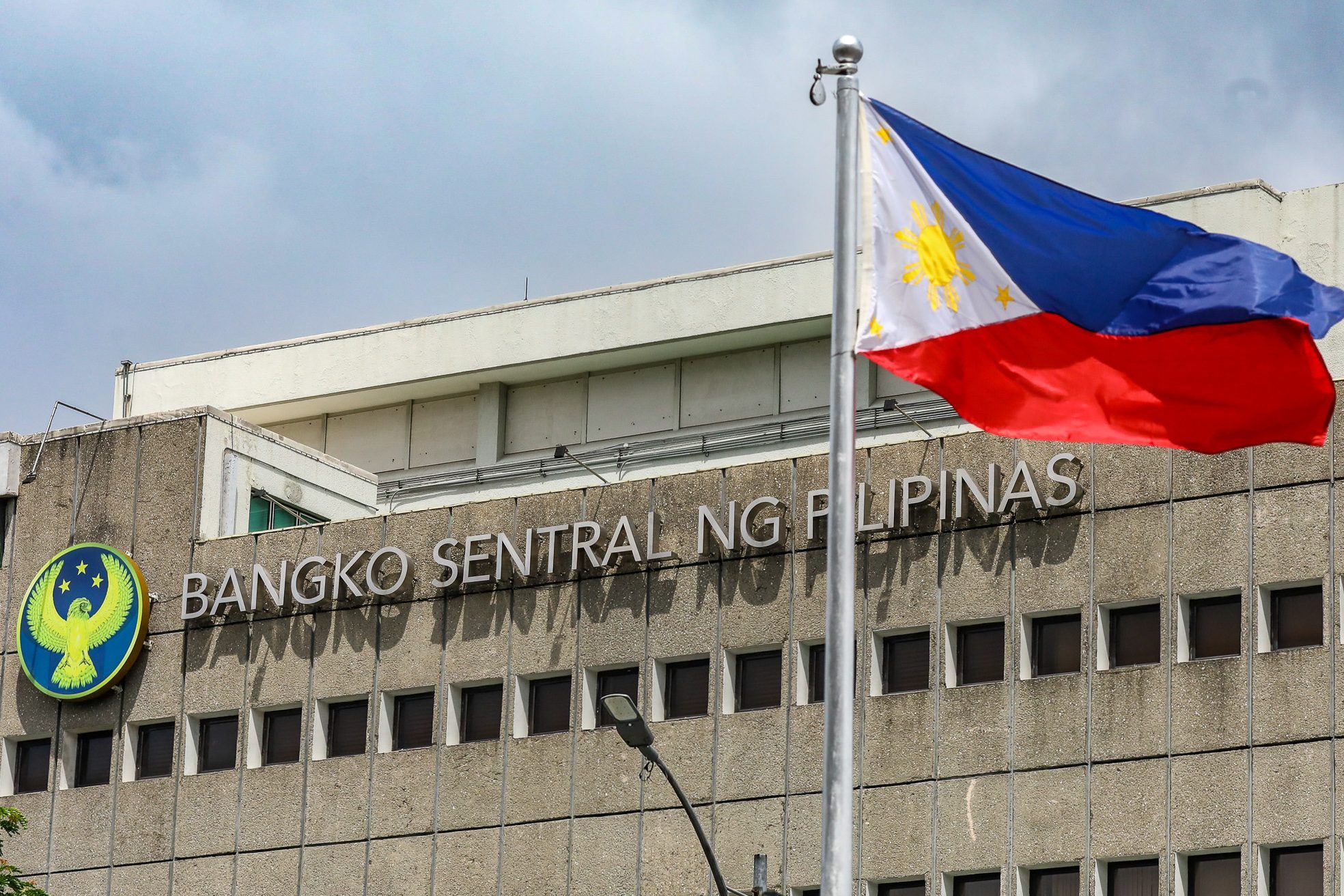
Facade of the Bangko Sentral ng Pilipinas. Jire Carreon/Rappler Even as the central bank tries to keep inflation in check, higher interest rates can only do so much The Bangko Sentral ng Pilipinas raised its benchmark interest rate by 50 basis points to 5.50% due to rising inflation and a weakening peso. Inflation jumped to 7.2% in September, significantly above the BSP's target, with core inflation reaching a three-year high of 4.7%. The BSP aims to curb spending and inflation through higher borrowing costs, but challenges remain due to supply-side pressures and a slowing economy. This is AI-generated. Read the article for full context. Report any errors. MANILA, Philippines – The Bangko Sentral ng Pilipinas (BSP) raised its benchmark interest rate by 50 basis points to 5.50% as inflation fears and a weakening peso piled on pressure for the central bank to keep borrowing costs high. BSP Governor Eli Remolona Jr. announced the Monetary Board’s decision on Thursday, October 22, marking the fourth consecutive increase in the target reverse repurchase rate this year. The decision follows a jump in inflation to 7.2% in September from 6.1% in August, well above the BSP’s 2% to 4% target. Core inflation, which excludes selected volatile food and energy items, also climbed to the highest point in three years at 4.7%, suggesting that price pressures are spreading across the economy. Before Thursday’s decision, the BSP had projected inflation to average 6.1% in 2026 and 5.4% in 2027, both above its target range. The weakening peso has further aggravated concerns. The currency closed at a record-low P63.361 against the dollar on Wednesday, October 20. A weaker peso makes imported fuel, food, and raw materials more expensive, adding to domestic inflation. By making borrowing more expensive, the BSP hopes to slow spending and ease inflation. But higher interest rates could also weigh on consumption and investment at a time when Philippine economic growth has already slowed to just 2.3% in the second quarter. There are also limits to what higher interest rates can achieve. Much of the current inflation is driven by supply-side pressures, including disruptions to food production due to bad weather, rising global oil prices, and the threat of El Niño, none of which monetary policy can directly address. The latest increase was widely expected, with some arguing for even more aggressive tightening. In an October 20 GlobalSource Partners report, former BSP deputy governor Diwa Guinigundo and economist Wilhelmina Manalac called for a 50-basis-point hike to prevent inflation from becoming more entrenched, while acknowledging the risks to an already struggling economy. Meanwhile, BPI lead economist Emilio Neri Jr. expects another 25-basis-point increase in December, potentially bringing the policy rate to 5.75% only by year-end. Further hikes in 2027 remain possible, depending on inflation and El Niño. The Monetary Board’s final scheduled policy meeting for 2026 is on December 17. – Rappler.com How does this make you feel? Loading
Bangko Sentral raises interest rates to 5.50% as inflation, peso woes mount
Full Article
Original Source
Read the full article at Rappler →KhanList aggregates and links to publicly available news content. We do not host full articles from third-party sources. Always verify important information with original sources.