
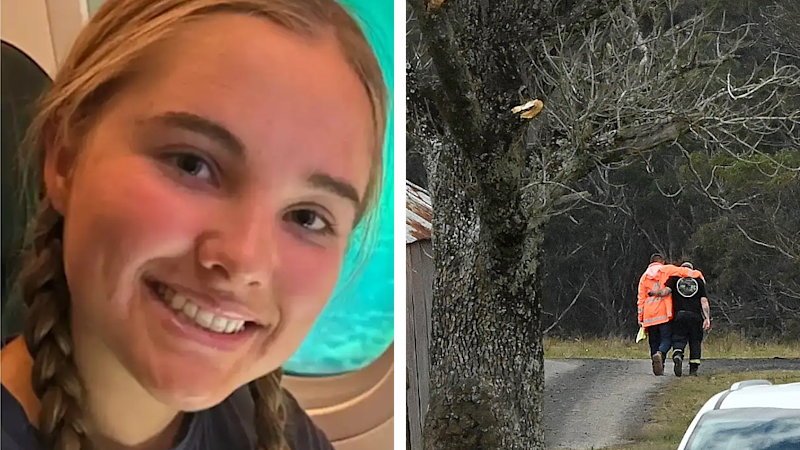
EditorialEditorialAugust 21, 2026 — 4:02pmLost in the bush has long haunted Australia. The bush can be alien, and the experience is reflected in the many works – poems, books and films – about our lost children. Sometimes they never came back. Sometimes they were found.But not this time.NSW Police unwittingly compounded the tragedy by allowing word to get out that 18-year-old Lily Hooper, a hiker missing for eight days in bushland south-west of Sydney, had been found alive, only to confirm some 20 minutes later that she had died.Friends, family and loved ones of Sydney bushwalker Lily Hooper have been grieving her loss after initially hearing she had been found alive.Hooper left home on August 12 for a hike in Nattai National Park. She did not return. Almost 1000 people joined the search, including some 100 Australian Defence Force personnel, 280 NSW SES volunteers, Rural Fire Service firefighters and specialist police crews.Shortly before 11.30 on Thursday, a search team radioed the operator. She’d been found. A police officer at the search base, on the edge of the Nattai National Park, told Hooper’s parents, Jim and Kirrily Hooper, that their daughter was alive; Police Minister Yasmin Catley passed on the information to Premier Chris Minns, who interrupted budget estimates to announce the hiker was alive. But then, the horrifying update came; the news had been wrong. She was dead.A multi-agency investigation has now been launched to examine the cluster of failures.The Herald’s Riley Walter reported the miscommunication may have been sparked by a radio code believed to be used by SES searchers to report that a body has been found, in which they refer to full, half or empty water bottles to signal whether a person is alive, in the event family members may be monitoring the radio. A half bottle of water is believed to indicate a person’s condition is unclear.In the immediate aftermath, NSW Police Commissioner Mal Lanyon shouldered the blame, apologising to the Hooper family and Minns. “The miscommunication obviously was born out of elation that Lily had been found, and her condition at that time was such that searchers were relieved, and certainly those at the command post relayed,” he said. “Tragically, that miscommunication then led to a deflation, and obviously, we know now an impact on her family.”But other leaders were nowhere to be seen.Emergency Services Minister Jihad Dib and NSW SES commissioner Mike Wassing waited until the following morning to appear.Wassing said: “It’s quite common that during search and rescue operations, police will set a code for the search and rescue operators to use with respect to if they find the missing person. In this case, there was a code that was applied. We’re working currently with police with respect to any of the misinformation associated with that code or any subsequent further information or communication.”Wassing also said authorities were not looking at blame but that they simply wished to identify how the code had been either mistaken or misheard.But the Hooper search imbroglio has exposed several flaws in communication processes that demand an urgent review of protocols.It’s the job of the professionals in the search, in this case the NSW Police and paid leaders of the SES to ensure volunteers, an essential arm of rescue work in our state, are properly briefed. The tragedy visited on the Hooper family by confusion over bad code cannot be repeated.Start the day with a summary of the day’s most important and interesting stories, analysis and insights. Sign up for our Morning Edition newsletter.The Herald's View – Since the Herald was first published in 1831, the editorial team has believed it important to express a considered view on the issues of the day for readers, always putting the public interest first.From our partners
Bad code turned bushwalker search into an even sadder tragedy
Full Article
Original Source
Read the full article at Smh →KhanList aggregates and links to publicly available news content. We do not host full articles from third-party sources. Always verify important information with original sources.