
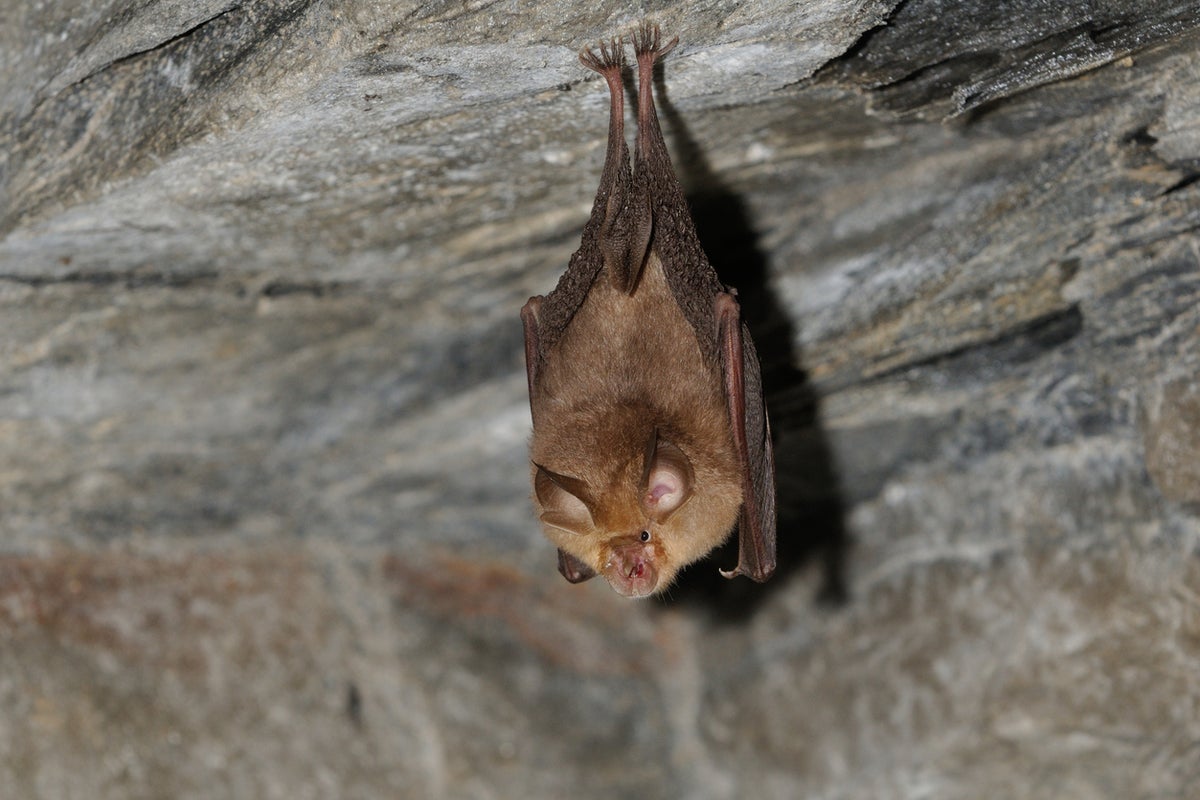
Australian authorities are warning the public against touching bats after a sharp rise in bites and scratches raise concern about exposure to a rare virus that’s almost always fatal once symptoms develop.NSW Health said on Tuesday that 43 people had been bitten or scratched by bats in northern parts of the state between 28 September and 10 October, compared with 10 during the same period last year.The incidents were reported across the Hunter Region, the Mid North Coast, northern NSW, and the Central Coast.Australian bat lyssavirus, a virus related to rabies, can cause a fatal illness in humans. There is no effective treatment once symptoms begin, although vaccination after exposure can help prevent disease.“We want people to assume that any bat could carry Australian bat lyssavirus, which is a close relative to the rabies virus and very dangerous to humans,” said Keira Glasgow, director of health protection at NSW Health.“It is incredibly rare for Australian bat lyssavirus to transmit to humans, but once symptoms start in people who are scratched or bitten by an infected bat, sadly there’s no effective treatment,” she said.“If you are bitten or scratched by a bat, urgent medical assessment is crucial.”People who are bitten or scratched should immediately wash the wound with soap and water for 15 minutes, apply an antiseptic with antiviral action, and seek urgent medical attention. The warning comes as wildlife experts report rising bat activity linked to food shortages. “Consequently members of the community are seeing flying foxes remaining in their backyard trees during the day,” Ingrid Emery, executive director of conservation programmes at the Department of Climate Change, Energy, the Environment and Water, said, according to Nine. “This food shortage event is occurring along the eastern coast from the Clarence Valley in the north to the South Coast.”lyssavirus is found in bats, including flying foxes, and is distinct from rabies, which isn’t found in the country. The infection can cause flu-like symptoms, including fever and headache, before progressing to paralysis, delirium and seizures.Death usually occurs within a week or two of symptoms developing. Symptoms typically begin about a week after exposure but can sometimes take years to appear.Authorities are urging the public not to handle injured or grounded bats and to contact trained wildlife rescuers instead.
Australians told to stop touching bats amid growing concern about deadly rabies-like virus
Full Article
Original Source
Read the full article at Independent →KhanList aggregates and links to publicly available news content. We do not host full articles from third-party sources. Always verify important information with original sources.