
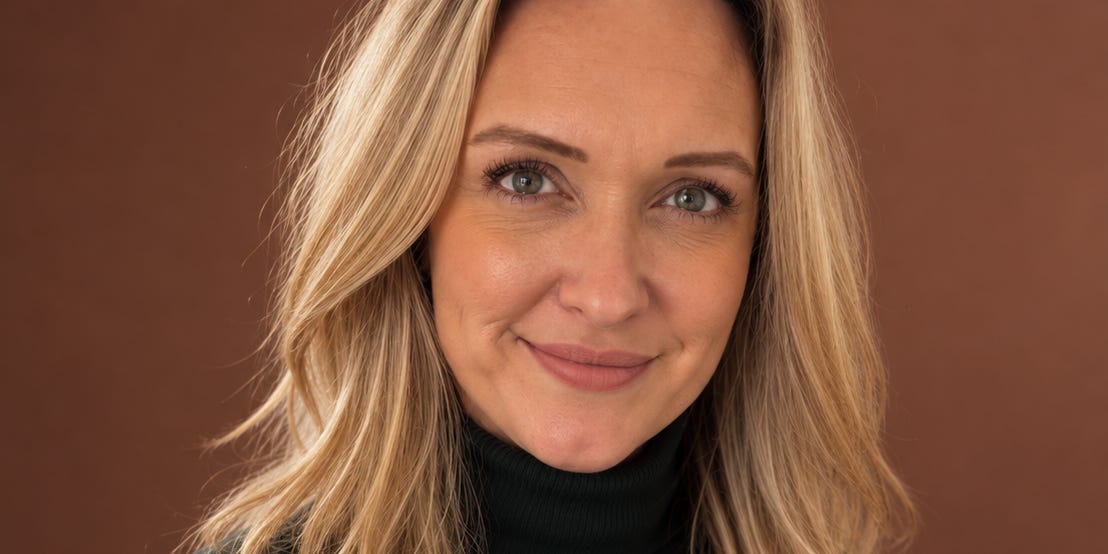
As a nurse in the antidepressant 2.0 era, I'm teaching my patients to cut down their doses using jewelry scales Kristen Massingill is a nurse practitioner who de-prescribes antidepressants. Outro This as-told-to essay is based on a conversation with Kristen Massingill, a 36-year-old nurse practitioner working in psychiatry.Massingill works at Outro, a de-prescribing startup that announced today that it has raised $7 million in pre-seed and seed funding. The conversation has been edited for length and clarity.I've worked in healthcare for over 15 years. I started my career in the ER, and spent a long time working there, but I've also worked in hospice, palliative care, and electrophysiology.My main focus right now is working with patients on de-prescribing and discontinuing antidepressants. It's not something we're taught much about in nursing school.Coming off of antidepressants, especially if you've been on them for a while, can prompt serious withdrawal symptoms, including insomnia, brain fog, dizziness, appetite changes, and mood shifts. Many people end up going back on medication because the symptoms are so debilitating, or they're interpreted as a relapse.I first got interested in de-prescribing when I was working with a couple of patients in the clinic who were really having a hard time getting off their medications. I thought, "There's got to be a way to do this."Unfortunately, I think there's a lot of dismissiveness toward patients who experience withdrawal symptoms coming off antidepressants. My job is not to convince patients that they're not experiencing these symptoms. My job is to help them through them.Some patients enjoy 'playing chemistry' in their kitchen, but it's not for everyone Some patients weigh their doses, while others prefer to compound. georgeoprea9/Getty Images I've learned all about how to draw down dosages of different medications, sometimes going as far as weighing the drugs with jewelry scales. Some medicines, especially SNRIs (serotonin and norepinephrine reuptake inhibitors), are really challenging to taper, but you can do bean weighing, breaking open the capsules, and measuring out smaller doses of the medication.It kind of depends on where the patient is at. Do they want to play chemistry in their kitchen? Oftentimes, they do, and they do a wonderful job, but it's not always a good fit. Many of my patients travel, and they don't want to be carrying a jewelry scale around or carting a vial of liquid everywhere they go, so we'll get compounded tablets specially made for them, with the incremental dosages they need. I'm always learning more about de-prescribing. We'll have rounds with the other practitioners each week where we'll discuss interesting cases. I've learned so much about tapering that way, in addition to the more formal education I got from Mark Horowitz. Psychiatry researcher Mark Horowitz, one of the co-founders of Outro, has spoken about going through life-threatening withdrawal symptoms when he tried to quit his antidepressant. Outro A lot of what I do during the sessions is cheer on my patients. I have about a hundred total, but I get a lot more time with my patients than most practices offer. If it's a first evaluation, we'll spend up to an hour together. If it's a follow-up, we'll usually sit down together for 30 minutes or so, reassessing how things are going, and whether we need to slow down or speed up the tapering. I do a lot more patient education than I used to, and a big part of my job is encouraging people and figuring out how best to support them through the process.Tapering is tailored to each patientThere isn't one set timeline for how long it takes to taper off an antidepressant. It is genuinely tailored to fit each patient. Sometimes that looks like holding a certain dose for a prolonged period of time. Maybe something happened in life, and it's just not a good time for them to potentially experience any kind of side effects with the taper. So they just want to hold where they're at because they're in a good spot. Sometimes it looks like slowing things down or just taking a different approach, maybe changing from a compounded tablet to a liquid, just depending on what life is like.Oftentimes, what's challenging is that these patients are tapering and they're doing such a great job and tolerating the taper really, really well. So they want to speed it up, because they want to be done, but they also know that that is not a great approach — they've often tried that in the past and failed. Most of the people I work with have tried to come off their antidepressant medication before and had a hard time, and they're very nervous about trying again because they had such a bad experience.Of course, tapering isn't right for everyone, and we do have to turn some patients away, but even from them, I hear constantly during evaluations that they appreciate finally feeling heard.The culture around antidepressants is changing. A first set of evidence-based deprescribing guidelines is forthcoming in the US, probably later this year. Still, a lot of the focus in psychiatry really is spent heavily on prescribing, even today. This article is not a substitute for professional medical advice, diagnosis, or treatment. Always consult your qualified physician or healthcare provider. Read next Hilary Brueck is a Health Correspondent at Business Insider, where she covers longevity and the quest to improve human aging. She also writes regularly about the complexities of diagnosing and treating cancer, the evolving landscape of GLP-1 drugs, new developments in exercise science, and expert-backed nutrition advice. In general, she relishes any opportunity to unpack scientific discoveries or examine the latest consumer trends. Her reports have ranged from exploring how sherpas effortlessly climb into the thin air 29,029 feet above sea level to summit Mount Everest, to trudging along a Jersey shore beach with scientists fighting killer pandemic flu viruses by studying bird butts.She spoke with Dr. Anthony Fauci about his vitamin and supplement routine over a cold slice of pizza, and chatted with the world's oldest Nobel Prize winner in his basement solar lab. She also went an entire month without eating any ultra-processed foods (yes, it was time-consuming and challenging). A graduate of Columbia Journalism School and former Peace Corps Volunteer, Hilary speaks English, French, and Malagasy. Previously, Hilary reported for ABC News Radio, Fortune, Forbes, and Al Jazeera America. In her spare time, she likes to run, hike and she is also an aspiring (but very bad) surfer. If you've got a pressing health question, tip, or concern, reach out to hbrueck@businessinsider.com Drugs VC
As a nurse in the antidepressant 2.0 era, I'm teaching my patients to cut down their doses using jewelry scales
Full Article
Original Source
Read the full article at Businessinsider →KhanList aggregates and links to publicly available news content. We do not host full articles from third-party sources. Always verify important information with original sources.