
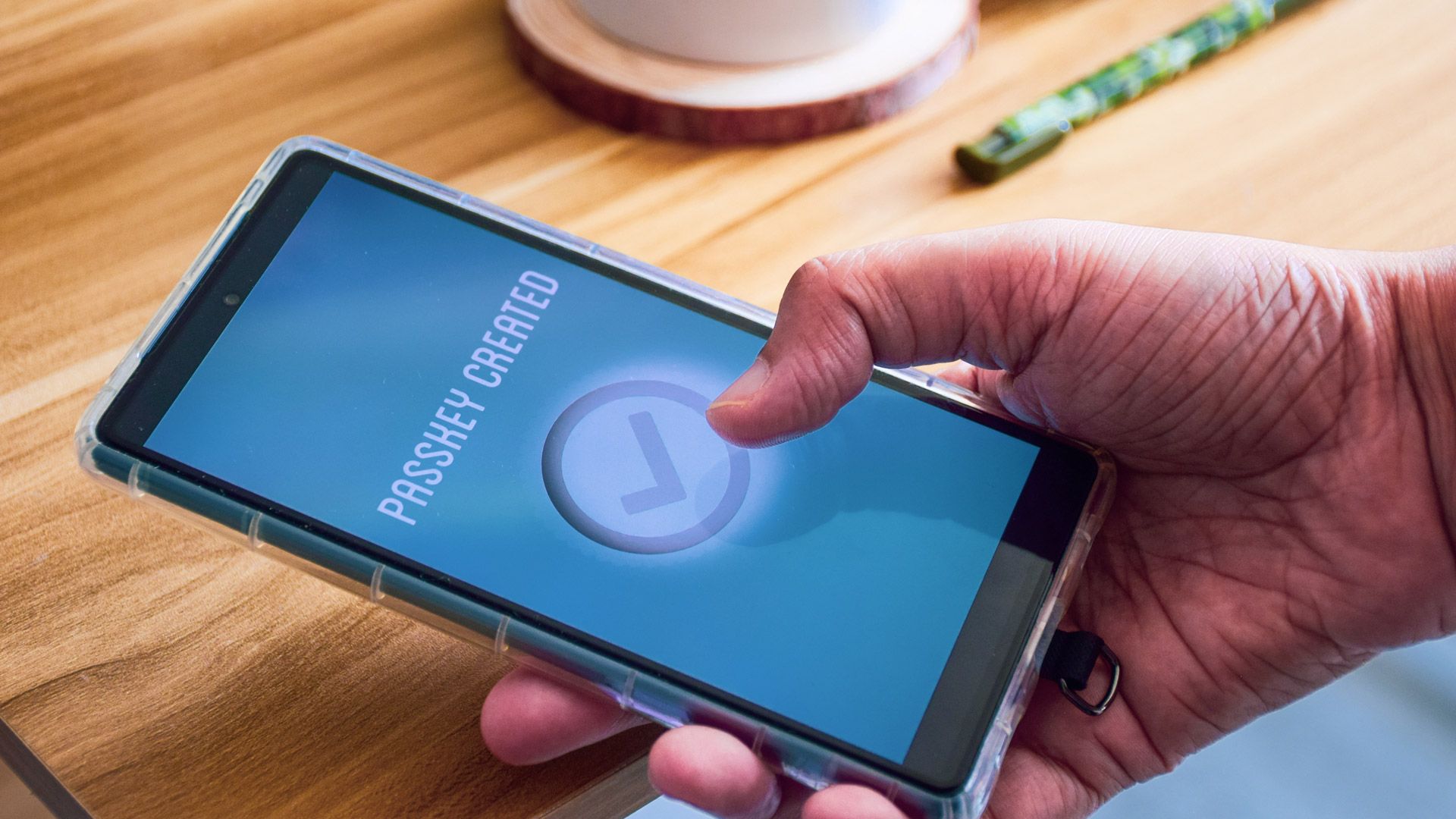
Passkeys are being marketed as the silver bullet for online security. Major companies like Apple, Google, and Microsoft have all rolled them out recently, and many websites now offer them as a login option.The question is, do they deliver on that promise? Furthermore, what might you be giving up in exchange for this supposed convenience? Let’s break it down.This article is the final piece in a series of content relating to Cybersecurity Awareness Month 2026, which runs throughout October. The previous articles have covered reducing data collection on social media, VPN dark web alerts and free alternatives, VPN protection when using AI, and the benefits of dedicated antivirus over packaged solutions.Why passwords are failing (and how passkeys fix it) (Image credit: Shutterstock)Passwords are showing their age. They’re easy to forget, and impossible to remember when you use unique ones everywhere.Every time there’s a massive data breach, millions of your credentials end up floating around on dark web marketplaces. Plus, we also reuse passwords too often, which means one compromised site can give attackers access to your email, bank account, and social media.Yes, password managers help – but they don’t protect against phishing, and they rely on you trusting that single database.Then there’s phishing. Even the savviest person can get tricked into typing their password into a fake login page that looks identical to the real one.Enter passkeys. Instead of something you remember, passkeys use cryptographic keys. One public key lives on the website’s servers, and one private key stays securely locked on your device. When you log in, your device proves your identity mathematically without ever transmitting. There’s no password to type, so there’s nothing for a hacker to steal remotely.The biometric elephant in the roomHere’s where things get tricky. To unlock most passkeys, you need to authenticate with your phone or computer using a fingerprint, facial scan, or PIN. You might worry that you’re just handing over our biometric data to Big Tech but that’s fortunately not the case.Your fingerprint or face scan never leaves your device. That scan simply unlocks a secure chip that stores your private key.Once unlocked, the chip confirms your identity to the website. Companies like Apple, Google, and Microsoft never see your actual biometric template. They just manage the encrypted container holding your passkeys.The real risks: Device access and lock-inPasskeys aren’t perfect, though. Instead of someone guessing your password online, the concern becomes physical access to your unlocked phone.If a thief has your device and knows your screen lock PIN, they could potentially access all your passkey-secured accounts. The good news is most devices require re-authentication for each login attempt anyway.Another issue is ecosystem lock-in. Passkeys are often tied tightly to specific platforms such as Apple iCloud Keychain and Google Password Manager.While syncing across devices within an ecosystem works smoothly, moving between iPhone and Android can be a headache. You might find yourself locked out of accounts unless you’ve exported your passkeys properly beforehand.The verdictPasskeys provide stronger protection than passwords – especially against remote attackers and phishing attempts.The cryptographic approach eliminates whole categories of attacks that plague traditional passwords. That said, they introduce new considerations around physical device security and platform dependency.Should you start using them? Yes. Treat them as an upgrade, not a magic wand. Combine passkeys with good habits such as keeping your devices updated and using screen locks, and you’ll be protected against common threats. Sign up for breaking news, reviews, opinion, top tech deals, and more.
Are passkeys more secure than passwords?
Full Article
Original Source
Read the full article at Techradar →KhanList aggregates and links to publicly available news content. We do not host full articles from third-party sources. Always verify important information with original sources.