
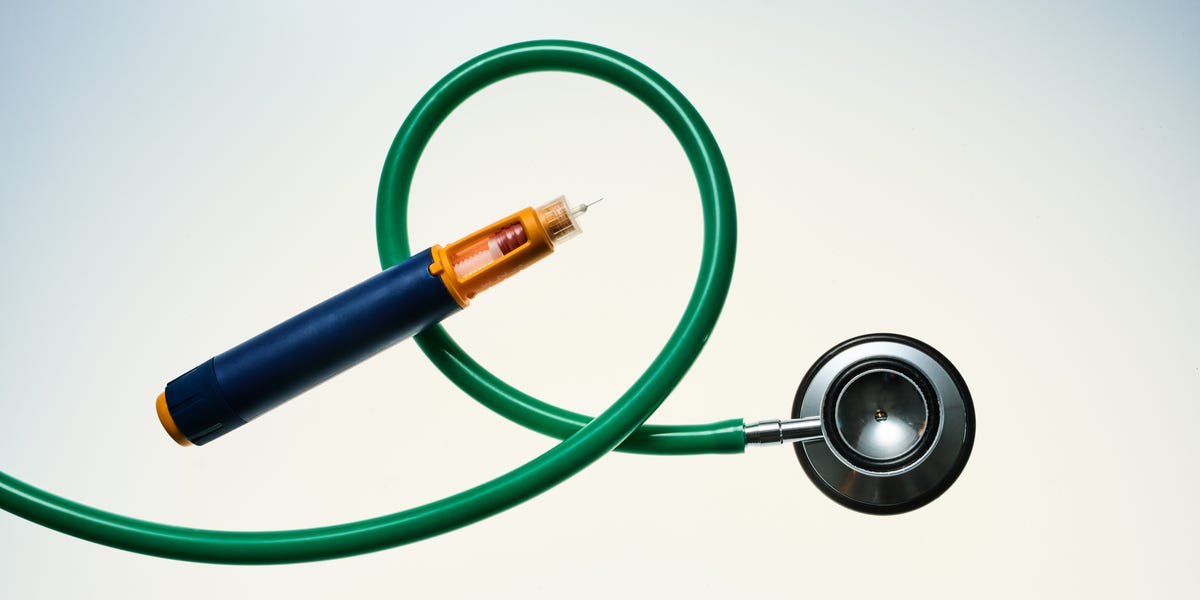
6 min readGLP-1 USE HAS quadrupled in the past few years. As their popularity grows, so does the number of health benefits that reach beyond the scale. The most consistent and robust findings seem to be for the heart. In fact, GLP-1s appear to have similar cardiovascular results to statins—a well-established cornerstone of cardiovascular care for decades. With one glaring difference: people actually want to take GLP-1s. Despite the expanded use of statins among younger folks, they have grown an unpopular reputation for their potential muscular side effects.Given that the most promising recent cholesterol drug didn’t actually work, is the next pivot toward GLP-1s? And will Ozempic and Mounjaro soon usurp the reign of statins as the go-to heart drug? Instead of duking the two medications out, cardiologists say both have earned a top spot on the cardiology mantel for different reasons.How GLP-1s Fit Into the Heart Health Arsenal STATINS AND GLP-1S lower cardiovascular risk but work on different parts of the problem.GLP-1 medications mimic GLP-1, a naturally occurring hormone that helps regulate blood sugar, appetite, and feelings of fullness, says Arash Bereliani, MD, cardiologist and medical director of the Beverly Hills Institute for Cardiology and Preventive Medicine. By helping people lose weight and improving blood sugar, triglycerides, blood pressure, and inflammation, they may ease several of the metabolic factors that can strain the cardiovascular system. Statins, on the other hand, take a more direct route: they lower LDL, or “bad,” cholesterol by blocking an enzyme in the liver. This helps slow the buildup of plaque in the arteries and reduce the risk of heart attack and stroke.Because the two treatments target different risk factors, Dr. Bereliani sees them as potentially complementary pieces of cardiovascular care. “I tell patients to think of the statin as the foundation for cholesterol and the GLP-1 as handling the metabolic side,” he explains. “For the right person, using both just covers more ground than either one on its own.”“I tell patients to think of the statin as the foundation for cholesterol and the GLP-1 as handling the metabolic side.”“Think of GLP-1s and statins as playing different positions on the same team,” says Fadi Alameddine, MD, cardiologist at Houston Methodist Cypress Hospital. “Statins drop LDL cholesterol by 30 to 50 percent, and we have 30-plus years and hundreds of thousands of patients confirming that this translates into fewer heart attacks. GLP-1s barely touch LDL, but they work on weight, inflammation, blood sugar, blood pressure, and vascular health instead.”Here’s a deeper dive on how GLP-1s might help your heart:Weight Loss Is Only the Beginning of GLP-1 Heart BenefitsHEART DISEASE ISN’T just a matter of cholesterol building up and clogging an artery. A number of factors contribute to a person’s increased risk of stroke and heart attack. “What’s gotten me and a lot of cardiologists excited is that these drugs seem to protect the heart in ways that aren’t just about the weight coming off,” says Dr. Bereliani.“What’s gotten me and a lot of cardiologists excited is that these drugs seem to protect the heart in ways that aren’t just about the weight coming off.”GLP-1s may calm inflammationInflammation plays a big role in heart disease. Chronic inflammation, for example, can make blood vessels more likely to develop plaque, says Dr. Alameddine.Interestingly, GLP-1-based therapies have shown potential in reducing some measures of inflammation. A large trial published in The New England Journal of Medicine found semaglutide—the active ingredient in medications such as Ozempic—lowered levels of high-sensitivity C-reactive protein (hs-CRP), a blood marker of inflammation. A subsequent analysis of the trial found that reductions in hs-CRP were seen in just four to eight weeks of treatment. These changes happened long before any substantial weight loss occurred. The reduction in inflammatory markers was also seen in some people who did not lose any weight. Dr. Alameddine suggests this trial was evidence that semaglutide’s effects on inflammation may not be explained by weight loss alone.GLP-1s may help blood vessels work betterHealthy blood vessels need to be able to relax and expand when necessary. GLP-1s may support this process by improving the function of the endothelium, the thin layer of cells lining the inside of blood vessels, says Dr. Alameddine.On top of that, GLP-1-based therapies may help blood vessels work better by increasing nitric oxide. The gas relaxes blood vessels while also reducing oxidative stress that can cause damage over time. Together, these effects can help blood vessels stay more flexible and less prone to the dysfunction that contributes to plaque buildup. “A healthier lining is a lining that resists plaque, and the lining of your vessels works better on these drugs,” says Dr. Bereliani.GLP-1s may lower blood pressureAccording to Dr. Bereliani, GLP-1s typically lower blood pressure by a few points. The likeliest reason is weight loss. Losing pounds reduces the strain on the cardiovascular system and lowers blood pressure through changes in blood volume, vascular resistance, and other metabolic pathways.But the medications may also influence how the kidneys handle sodium. GLP-1 signaling can increase the amount of sodium the kidneys excrete, and because sodium causes the body to retain water, getting rid of more sodium may reduce the amount of fluid circulating through the blood vessels. That decrease in circulating fluid can, in turn, lower blood pressure.GLP-1s may improve metabolic healthGLP-1 medications can improve several aspects of metabolism closely linked to heart health. “GLP-1s clean up your metabolic profile because triglycerides drop, good cholesterol ticks up a little, and blood sugar improves a lot when on the medication,” Dr. Bereliani says.Those changes matter because metabolic problems can put added stress on the cardiovascular system. Chronically high blood sugar, for example, can damage blood vessels and increase cardiovascular risk. One study found that people taking semaglutide were 73 percent less likely to develop diabetes than those taking a placebo.Better blood sugar control matters for the heart, since chronically high blood sugar can damage blood vessels and increase cardiovascular risk, says Leonard Pianko, MD, cardiologist and founder of Aventura Cardiovascular Center.GLP-1s may reduce fat around the heartMost people know GLP-1s are helpful in reducing visceral fat, the fat stored deep in the abdomen. But reducing total body fat also helps in decreasing epicardial fat, the layer of fat that sits directly around the heart, says Dr. Alameddine. Research shows these fat stores are metabolically active and release inflammatory substances that may affect the heart and blood vessels. Combined with improvements in blood pressure, blood sugar, and other cardiometabolic risk factors, these changes may help reduce stress on the cardiovascular system.The New Conversation Waiting at Your Next Doctor’s VisitDR. BERELIANI HAS found conversations on weight to be an effective entry point into a broader discussion about heart health.“Men usually walk into my office worried about their weight, energy, and how they feel, and they don’t always connect that to their heart right away, so I use GLP-1s as a way in,” he says. “A lot of guys are more motivated by losing the gut than by some cholesterol number I put in front of them, and that belly fat is exactly the stuff that’s driving their heart risk, so I’m straight with them: this is a tool that can help you drop the weight and, on top of that, protect your heart.”“A lot of guys are more motivated by losing the gut than by some cholesterol number I put in front of them.”But getting the conversation started is different from suggesting that one medication can solve every problem. Dr. Bereliani emphasizes that GLP-1s still have to fit into a holistic approach to cardiovascular health. “I’m clear that GLP-1s are not a magic bullet, because they don’t replace sleep, exercise, and eating right, and they definitely don’t replace the other heart medications they might need.”That context also helps clarify where statins still fit in the ever-changing landscape of medicine. When LDL cholesterol is high or plaque is already present, the evidence and guidelines point clearly toward statin therapy, says Dr. Alameddine. The treatment choice may, however, look different when metabolic health is the bigger issue. “If his problem is obesity, prediabetes, and a 44-inch waist, a GLP-1 addresses that,” he says.Ultimately, it comes down to how these medications fit into the bigger picture of keeping your heart healthy. “It’s about lining up the treatment with whatever’s actually fueling the risk,” Dr. Bereliani says. “It’s not one medication replacing the other.”Andi Breitowich is a freelance writer who covers health, fitness, relationships, beauty, and smart living. She is a graduate of Emory University and Northwestern University's Medill School of Journalism. Her work has appeared in Women's Health, POPSUGAR, Food & Wine, What To Expect, Cosmopolitan, Men's Health, and elsewhere. As a former collegiate pole vaulter, she loves all things fitness and has yet to meet a group workout class she doesn't like.
Are GLP-1s the New Statins?
Full Article
Original Source
Read the full article at Menshealth →KhanList aggregates and links to publicly available news content. We do not host full articles from third-party sources. Always verify important information with original sources.