
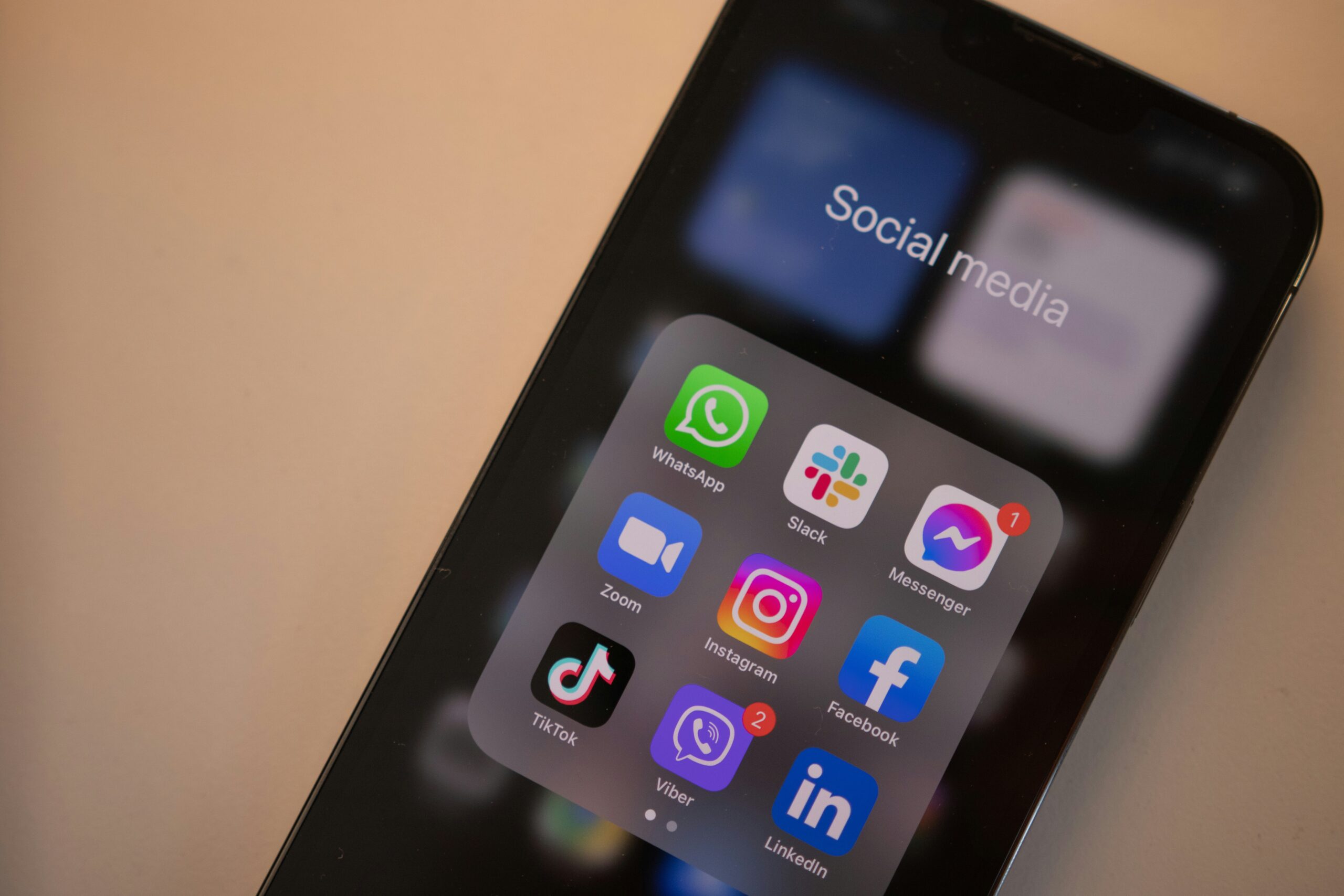
Four school districts, including San Diego, had sued Meta, Google, TikTok and Snap for causing a "mental health crisis," which disrupted the districts' "education mission."LOS ANGELES (CN) — Four school districts can’t sue Meta, Google, TikTok and Snap in state court for creating a “mental health crisis,” after a California court of appeals affirmed a lower court’s dismissal of their cases.More than 1,000 other school districts have pending federal lawsuits against four major social media companies.In separate lawsuits, school districts in San Diego; Vancouver; Brevard County, Florida; and West Warwick, Rhode Island, claim Facebook, Instagram, YouTube, Snapchat and TikTok disrupted their “educational mission,” forcing them to spend staff time and money addressing students’ social media addiction.“Defendants’ platforms have triggered depression, anxiety, eating disorders, self-harm and suicidality among thousands of children, including students in plaintiff schools, to which plaintiff must respond," read one of the complaints. “The mental health crisis caused and/or significantly contributed to by Defendants has caused an ongoing behavioral disruption in plaintiff schools, and plaintiff had to take steps to mitigate disruption.”The complaints were filed in state courts nationwide before being consolidated into a joint proceeding that also includes thousands of teenagers suing over similar social media harms. The first bellwether trial earlier this year ended with a jury awarding Kaley G.M. $6 million against Meta and Google after she settled with Snap and TikTok. Meta and Google have appealed.The school districts’ claims never reached trial. In 2024, Judge Carolyn Kuhl sustained the defendants’ demurrers to all four complaints, finding the districts had failed to establish adequate claims for negligence or public nuisance. The plaintiffs appealed, but a three-judge panel affirmed the ruling Thursday.Citing case law, the appellate court agreed there is generally “no recovery in tort for negligently inflicted ‘purely economic losses,’ meaning financial harm unaccompanied by physical or property damage.” The districts argued they also suffered noneconomic harms, including “frustration of educational mission” and “lost staff time.” But the court found those insufficient to support negligence claims.Kuhl ruled that the districts could not sue for public nuisance because the claimed harms affected individual students rather than all students. The appellate court agreed, noting that public nuisance typically concerns “property rights or public health and safety,” not abstract concepts like “the right to education.”The judges reasoned that a public health nuisance claim would require showing social media affected all students equally. Instead, the districts said some students used social media compulsively or developed anxiety and depression.The districts also cited TikTok “challenges” encouraging students to deface school property. But Kuhl found Section 230 of the Communications Decency Act shielded the companies from liability for third-party content. Plaintiffs can sue over platform “design features,” such as ’like’ buttons, infinite scroll, autoplay and beauty filters.The panel included Justices Elwood Lui, Stephen Goorvitch and Anne Richardson, who authored the unanimous opinion.Categories / UncategorizedSubscribe to our free newslettersOur weekly newsletter Closing Arguments offers the latest about ongoing trials, major litigation and rulings in courthouses around the U.S. and the world, while the monthly Under the Lights dishes the legal dirt from Hollywood, sports, Big Tech and the arts.Additional Reads
Appeals court affirms dismissal of school districts’ lawsuits against social media companies
Full Article
Original Source
Read the full article at Courthousenews →KhanList aggregates and links to publicly available news content. We do not host full articles from third-party sources. Always verify important information with original sources.