
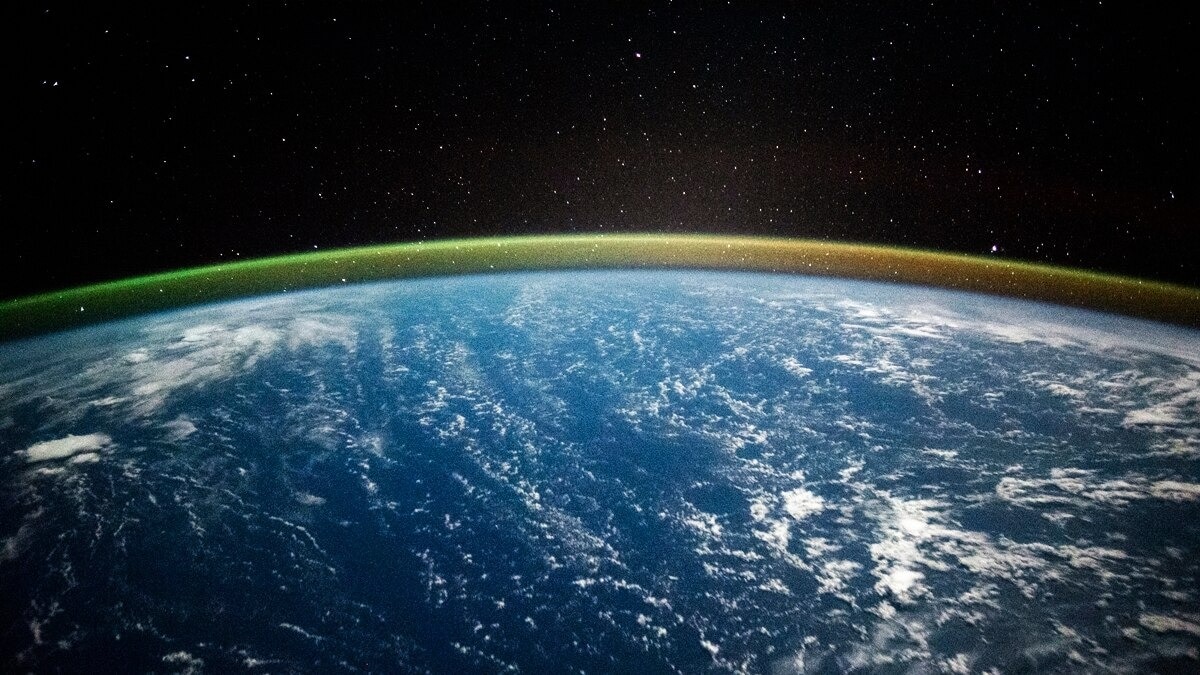
Measurements from Nasa and Noaa reveal a worrying milestone for the Antarctic ozone hole. Yet there remains a reason for scientists to remain optimistic.An artist's concept of the ozone layer protecting Earth from the Sun's UV radiation. (Representational Photo)New Delhi,Nov 5, 2026 13:42 ISTThe ozone hole over Antarctica grew to its seventh-largest size in 48 years of monitoring this year, reviving worried about the health of Earth's protective shield against harmful solar radiation.However, scientists from Nasa and the National Oceanic and Atmospheric Administration, or Noaa, said that the unusually large hole was largely driven by weather conditions, and the ozone layer remains on track for long-term recovery.According to measurements released on November 4, the ozone hole covered an average area of around 25 million square kilometres between September 7 and October 13, 2026.At its largest, on September 18, it expanded to approximately 27.1 million square kilometres, nearly 90% of the largest ozone hole ever recorded in 2000. An illustration shows the depletion of the ozone layer. (Photo: Noaa) WHY DID THE OZONE HOLE BECOME LARGE?Scientists attributed this year's unusually large ozone hole to a powerful polar vortex, a band of strong winds that circles Antarctica and traps extremely cold air over the continent.These freezing conditions encourage the formation of special clouds high in the atmosphere, where chlorine and bromine released by human-made chemicals trigger reactions that destroy ozone. This year, weather systems that normally weaken the polar vortex were unusually weak during August and September.This allowed the vortex to remain stronger and cover a larger area, creating favourable conditions for ozone destruction."The annual ozone hole has been forming later in the season in recent years, which tells us the ozone layer is healing," said Paul Newman, a senior Nasa ozone scientist.WHAT CREATES A HOLE IN THE OZONE LAYER?The ozone layer is a region high above Earth that acts like a natural sunscreen, absorbing much of the Sun's harmful ultraviolet radiation.Its depletion is primarily caused by chemicals such as chlorofluorocarbons (CFCs), once widely used in refrigerators, air conditioners and aerosol products.When these chemicals reach the upper atmosphere, sunlight releases chlorine and bromine atoms that break down ozone molecules.Without enough ozone, more harmful ultraviolet radiation reaches Earth's surface, increasing the risk of skin cancer and cataracts and damaging crops and marine ecosystems.What's going on with the hole in the ozone layer? Thanks to a global effort to regulate ozone-depleting substances, the ozone hole is showing signs of recovery and is projected to return to a healthy level by mid-century: https://t.co/blecWKMAXw https://t.co/bCq822tMvJ— NASA (@NASA) July 19, 2023IS EARTH'S OZONE LAYER RECOVERING?Despite this year's increase, scientists say international efforts are working.The 1987 Montreal Protocol helped phase out many ozone-destroying chemicals, reducing chlorine levels in Antarctica's upper atmosphere by around a third from their 1980s peak.Noaa estimates that without these restrictions, the 2026 ozone hole could have been another 3.5 million square kilometres larger.Scientists expect the Antarctic ozone hole to recover by the 2070s, although older ozone-destroying chemicals will continue to linger in the atmosphere for decades.- Ends
Antarctic ozone hole becomes 7th largest in history. What's happening?
Full Article
Original Source
Read the full article at Indiatoday →KhanList aggregates and links to publicly available news content. We do not host full articles from third-party sources. Always verify important information with original sources.