
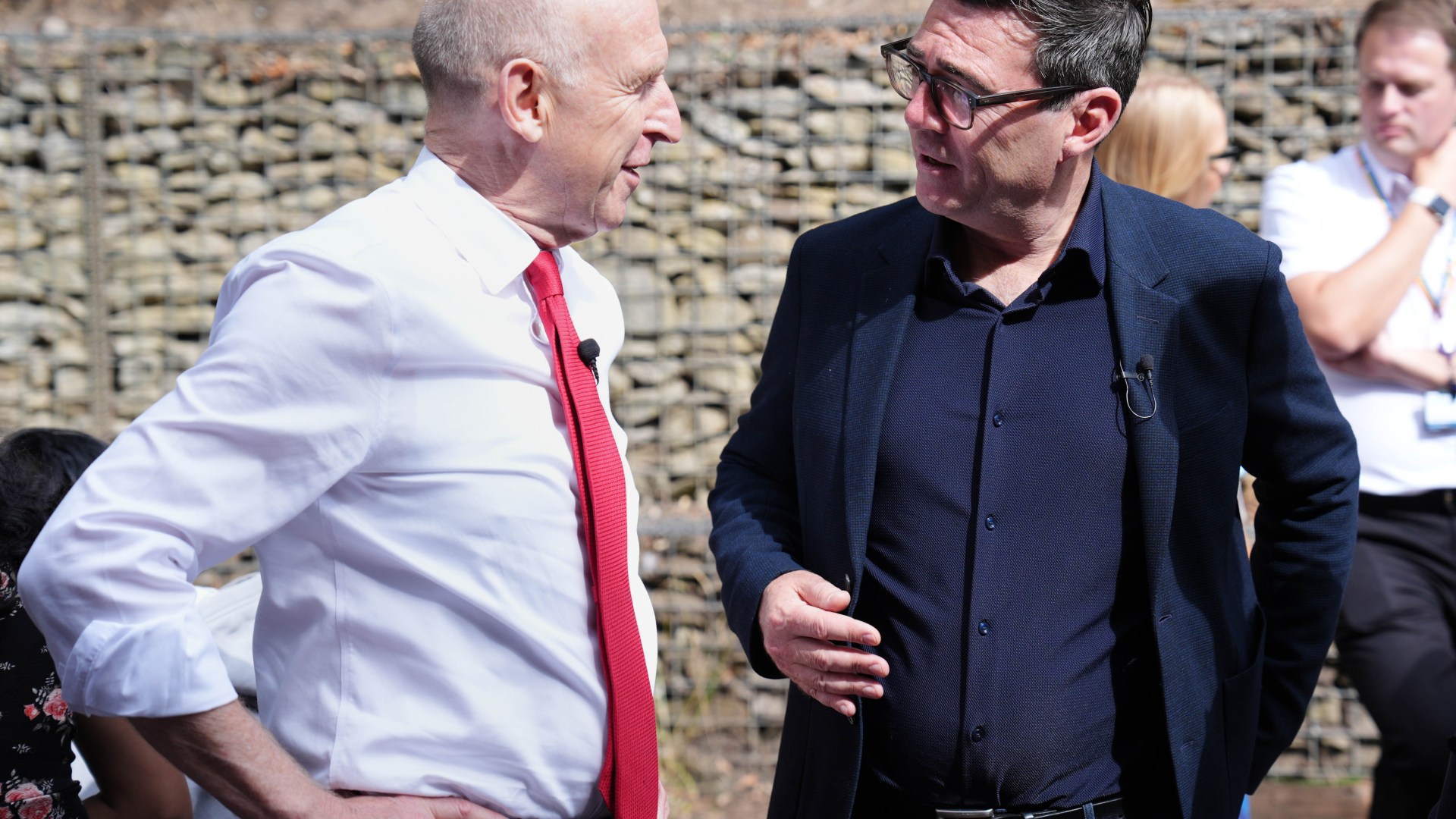
WATCH what he does, don’t just listen to what he says. That will be the lesson of the next few months as Andy Burnham unveils his Government’s economic plans. In September Burnham gives his first speech as Prime Minister to the Labour Party Conference. Then in late October Chancellor John Healey delivers the Budget. Andy Burnham is working on his first make or break Budget, which is being delivered in October Credit: Reuters Britain needs to make a clear choice about the direction of economic policy. The stakes are high. The economy grew solidly in the first half of the year, helped by AI boosting productivity. Sign up for the Politics newsletter Thank you! But confidence is low. Energy and business costs are high, living standards are being squeezed and people fear taxes will rise. Last week borrowing rates rose across the globe. It’s not just governments that are borrowing heavily. Now the AI boom is leading big tech firms to borrow to finance their plans. This is pushing borrowing rates higher for everyone. Britain is particularly exposed. Inflation remains persistent. And international investors are concerned about public spending and whether Burnham and Healey can make their fiscal sums add up. Chancellor John Healey (pictured with Andy Burnham) will deliver his first Budget, and is weighing up whether or not to raise taxes Credit: PA There are two UK policy paths ahead. The danger is that Burnham takes us down the one his party faithful want to hear, rather than the one the economy needs. That means a bigger state. More public spending. And ultimately higher taxes or more borrowing. Most read in The Sun Burnham talks of reversing Thatcherism. Yet much of what Thatcher achieved on the public finances has already been reversed. Public spending was just under 40 per cent of GDP when she left office. Britain was also seen as open for business, with policy aimed at incentivising the private sector. Today public spending is 45 per cent of GDP and rising. Spending is around £1.4 trillion. The national debt is £2.99 trillion, up £96 billion over the last year. We now spend almost as much on welfare as we collect in income tax. Welfare provides an essential safety net. But it needs to be better targeted and brought under control. More than half of households get more back from the state than they pay in taxes. And this isn’t just about pensioners. Among non-retired households the figure is 46 per cent. Two other big themes of Burnham’s agenda are investment and devolution. Both have attractions but neither ensures success. Britain has invested too little for decades. But investment is not automatically productive. What matters is what you invest in, what it costs and what return it produces. HS2 should be warning enough. Likewise devolution. Taking decisions closer to the people they affect makes sense. But greater power should come with financial responsibility. Otherwise taxpayers nationally pick up the bill when things go wrong. All of this has to be paid for in the Budget. Last year’s Budget rebuilt the fiscal buffer to £21.7 billion. This is the shock absorber that still allows the fiscal rules to be met. It has since fallen below £10 billion. This Budget needs to rebuild the buffer while finding extra money for welfare, investment and defence. Economist Gerard Lyons says Andy Burnham should curb public spending rather than raise taxes to go on a spending splurge Credit: Not known, clear with picture desk There are only so many ways to make the sums add up. Faster growth is the best. But that’s not guaranteed. Without it the choices are public sector reform, spending restraint, higher taxes or more borrowing. Public sector reform is difficult and takes time. Spending restraint is clearly not planned. Borrowing is already high. That leaves more taxes. But the tax take is already at an all-time high. The lessons from abroad are that wealth taxes don’t work and end up hitting the middle class. The housing market is stagnating as property is already heavily taxed. Incentives matter. Bond markets won’t be fooled by tax increases that deliver little revenue or hit future growth. There is another path. Don’t make things worse by spending more public money we don’t have. If markets lose confidence the consequences could be a weaker pound, rising interest rates and higher borrowing costs, hitting business hard. Remove barriers to growth that don’t cost money. Ease unnecessary regulation on small and medium-sized firms and reform planning. Cutting energy costs is critical while delivering the green agenda, but it requires investment. Above all, put the public finances on a sounder footing. Control spending and reform welfare. And mobilise private capital. Banks are awash with capital and liquidity. The City should do more to channel this into infrastructure and productive investment rather than assuming every ambition requires Government spending. Burnham has political capital. He can use it to expand the state further or confront the structural problems holding Britain back. One path means more spending, higher taxes and a bigger state. The other means fiscal discipline, reform and creating the conditions for the private economy to grow. If the Government is unwilling to make that choice, the markets will ultimately make it for them. Comment now
Andy Burnham must cut welfare and public spending or he will be punished by the market
Full Article
Original Source
Read the full article at Thesun →KhanList aggregates and links to publicly available news content. We do not host full articles from third-party sources. Always verify important information with original sources.