
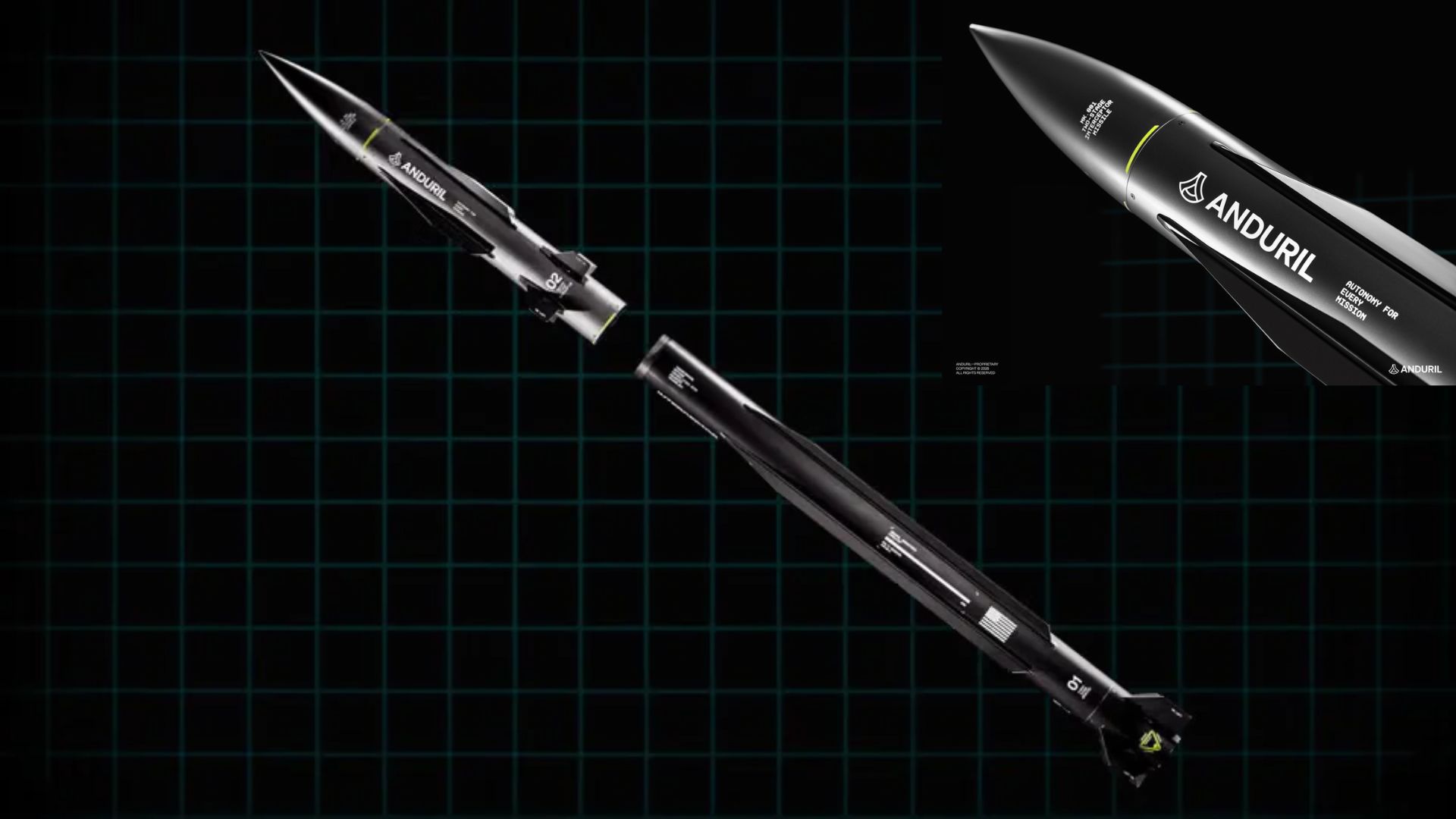
Anduril is developing a new interceptor missile family designed to help the US military counter aerial threats without exhausting its most expensive defensive weapons. Called Steelfin, the system lets engineers adjust missile configurations for different missions while retaining a common underlying design. The concept addresses a growing problem for American air defenses. Cheap drones and mass-produced missiles can force military units to expend costly interceptors against relatively inexpensive targets. Over a prolonged conflict, replacing those weapons could become a serious challenge. Anduril wants Steelfin to offer a more affordable way to defend against threats across multiple categories. Steelfin’s shared architecture could also help the US military diversify its interceptor inventory without creating additional missile programs for every emerging threat. Modular missile design Steelfin features a two-stage architecture that allows engineers to tailor performance to specific missions. The first stage uses a solid rocket motor, with different boosters available to meet varying range requirements. A second stage handles the terminal interception. Today’s missile defense model does not scale.The modern fight demands an interceptor that can match cost and capability to threat.Introducing Steelfin. pic.twitter.com/d4ZYpB0iSu— Anduril Industries (@anduriltech) October 12, 2026 The terminal section retains a common airframe, avionics, and flight-control system across Steelfin variants. Engineers can incorporate different seekers or mission systems through modular interfaces. Changing those components would not require a complete redesign of the missile. Anduril intends the family to serve several layers of air defense. Potential missions range from protecting individual sites to countering ballistic missile threats. The company says Steelfin will cost a fraction of established interceptors designed for comparable missions, although it has not disclosed specific prices. Production at scale Anduril has also designed Steelfin around the practical challenges of manufacturing missiles in large numbers. Traditional programs often require dedicated tooling and production processes, making it harder to increase output when demand rises. Steelfin variants will share manufacturing equipment and production infrastructure. Anduril expects the arrangement to let its factories shift capacity toward whichever configuration military customers need most. The company plans to produce several thousand Steelfin variants annually in the near term. Actual output will depend on production readiness and demand. Common interfaces could also expand the pool of available suppliers. Anduril says the design can accommodate commercially available components and competing subsystem designs. Greater supplier flexibility could help the company avoid bottlenecks as manufacturing expands. Existing launch systems Steelfin is designed to integrate with launch infrastructure already used by US forces. Anduril lists the M903A2 launcher, the Navy’s Mk 41 Vertical Launch System, and the Typhon system among its intended platforms. The missile family also targets compatibility with established fire-control software. Supported systems include AEGIS and the Integrated Battle Command System, which helps coordinate air and missile defense operations. Anduril has completed ballistic testing with representative air vehicles and plans to begin flight testing Steelfin variants in 2027. Those trials should provide a clearer picture of the missile’s performance under actual flight conditions. Ultimately, Steelfin must demonstrate reliable interception performance alongside its promised manufacturing advantages. Its ability to deliver affordable missiles in sufficient quantities will determine how effectively the system can support US air defenses during a prolonged conflict.Get the latest in engineering, tech, space & science - delivered daily to your inbox.Aamir is a seasoned tech journalist with experience at Exhibit Magazine, Republic World, and PR Newswire. With a deep love for all things tech and science, he has spent years decoding the latest innovations and exploring how they shape industries, lifestyles, and the future of humanity.
Anduril’s new missile swaps boosters to slash costs and take on hypersonic threats
Full Article
Original Source
Read the full article at Interestingengineering →KhanList aggregates and links to publicly available news content. We do not host full articles from third-party sources. Always verify important information with original sources.