
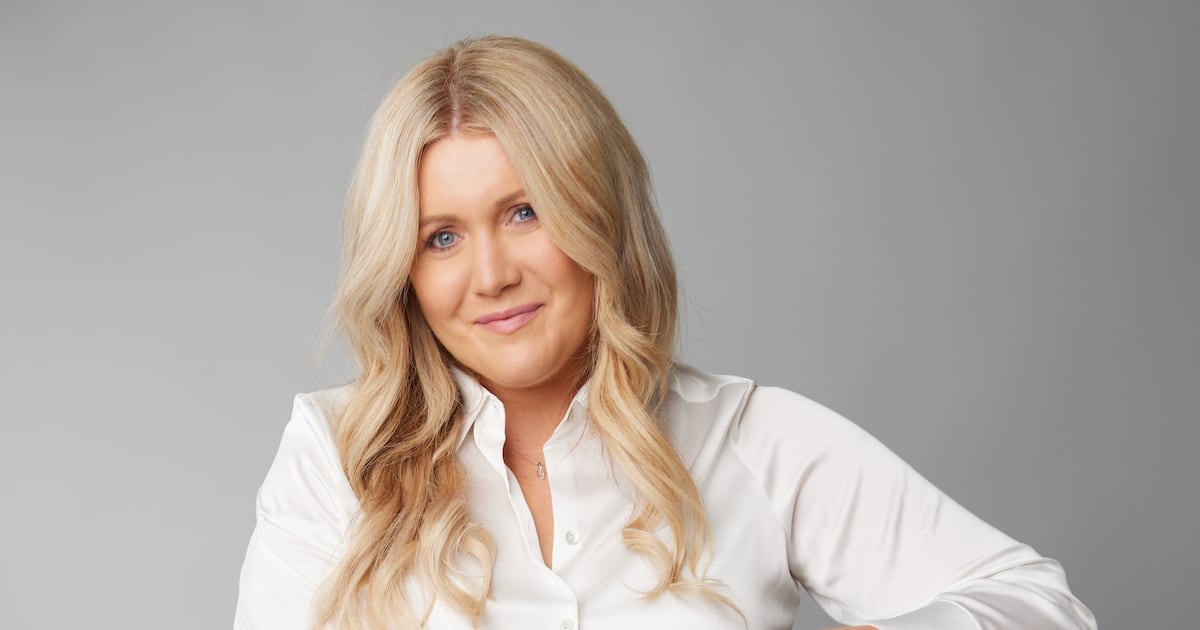
Just thinking about it makes Andrea Gilligan shudder with horror. “This is absolutely revolting,” the presenter of Lunchtime Live (Newstalk, weekdays) says, her voice dripping with distaste. “I am absolutely disgusted to hear that 25 per cent of people say that they don’t change bedsheets after they have visitors staying, before the next set arrives.”This isn’t faux outrage. The longer Gilligan contemplates the enormity of the transgression under scrutiny, the stronger her revulsion grows. “The idea that there’s one in four of you who don’t do this, I am horrified.” By way of justifying her disgust, the host speaks to the microbiologist Primrose Freestone, who explains why not washing bed linen between stays by different guests is a bad idea. “Interesting microscopic events are going to carry on happening,” Freestone wryly comments before outlining how the sweat deposited on sheets provides “a nice snack for skin bacteria”.It’s all too much for Gilligan: “Ah stop!” But while her aversion to such microbiological detail appears genuine, she admits that her strong reaction to the topic is also rooted in something closer to resentment. “I spend my life washing, changing and putting away bedsheets,” she laments. “I’m like a B&B.” This doesn’t seem like an especially welcoming attitude towards house guests, but at least they can sleep easy.READ MOREIt’s a diverting item, as revealing about the host’s pet peeves – she recoils at the idea of sharing a bed with cats or dogs – as it is about health issues. True, lapses in bedroom etiquette seem like minor misdemeanours in the greater scheme of things. But while Gilligan sweats the small stuff, she’s altogether more composed when it comes to bigger issues.The host doesn’t blanch during Monday’s discussion of Government plans to criminalise violent pornography, despite the disturbing nature of the conversation. Instead, she grimly but determinedly explores how such extreme content is driving sexual violence. The psychologist Siobhan O’Higgins describes how young people are learning about sex from porn, thus unable to distinguish between acceptable and unacceptable behaviours: she notes that strangulation has become normalised through online pornography, while the notion of shared intimacy and consent is discarded. “Why can’t we talk about love and respect?” O’Higgins asks forlornly.Upsetting though the segment is, Gilligan draws attention to an everyday problem, not so much overlooked as hidden in plain sight, that nonetheless has serious long-term ramifications. Similarly, while Tuesday’s item on high rents goes over ground that has been well covered elsewhere, the host’s anecdotal approach brings home the social and personal cost of the phenomenon.With the property website Daft.ie reporting that rents have increased 43 per cent in six years, to a staggering average of €2,239 a month, Gilligan hears from people on the frontline of the accommodation crisis.‘I know what you’re thinking: how on earth could it get any worse?’She first speaks to Aoife, who recounts a litany of negative experiences, from being assaulted by a fellow tenant in a house share to enduring three no-fault evictions in four years. “They talk about declining birth rates, but how are you supposed to do that when you don’t have a stable base,” Aoife wonders, vividly underscoring the interconnectedness of contemporary societal trends.Gilligan also talks to Niamh, who was so frustrated by the cost and size of the small space she and her partner rented that they moved into her mother’s house. “We’re saving money,” she says. “But we’re paying with our mental health.” In the same vein, Aoife alludes to the mental toll of being a 32-year-old woman lacking the “basic human need” of having a secure place to call her own: “It’s embarrassing.”Faced with this dispiriting testimony, Gilligan responds sympathetically, but she also sounds somewhat lost for words. “You shouldn’t feel shame,” she tells Aoife, slightly awkwardly. But while her delivery isn’t always slickly polished or smoothly emollient, the host exudes relatability, with her plain-speaking manner putting guests at ease. Admittedly, she’s not above playing up already charged topics, warning of impending “trolley misery” in hospitals during flu season with dramatic flair: “I know what you’re thinking: how on earth could it get any worse?” Mostly, however, Gilligan exudes a deceptive affability, which masks her singular talent for getting people to talk about tough situations. She doesn’t need to change that.The Last Word: Matt Cooper. Photograph: Nick Bradshaw/The Irish Times Brisk efficiency has long been the ethos of The Last Word (Today FM, weekdays), where Matt Cooper’s on-air persona of easily worn knowledge is supplemented by a keen journalistic instinct for the story. Wednesday’s interview with Taoiseach Micheál Martin, for instance, is conducted at a fair trot, the host seeking to cover as much ground as possible while constantly jabbing at his guest.When the Taoiseach talks about building 300,000 homes by 2030, Cooper is disdainful (“You’re not going to come near that”); when talk turns to the staffing row at Cork University Hospital, the host adopts a mocking tone with his fellow Leeside native: “How embarrassed are you about what’s happening?” But, for all that, Cooper’s questions are also relevant; once he’s not wheeling out bullet points, Martin is allowed the opportunity to make his case.Cooper is in more understanding mood on Tuesday, when he talks to Nikita Hand about the aftermath of the civil trial that found the former MMA fighter Conor McGregor had sexually assaulted her. Rather than dwell on Hand’s traumatic ordeal, Cooper asks how she has been coping since her court case, while also soliciting her thoughts on the comedian Russell Brand’s conviction for rape. (“Very triggering,” is Hand’s unsurprising verdict.) It’s a less revealing encounter than Hand’s memorable interview with Brendan O’Connor on RTÉ Radio 1 in September, but it equally shows Cooper’s nous at bringing current events into his conversations.The host is at his most comfortable on Monday, when he speaks to the American author Michael Lewis about his new book on the evisceration of the US federal workforce under Donald Trump. “I’d put it in the category of dystopian nonfiction,” Cooper says, though he clearly admires his guest’s grim account of the “massive power grab” by the Trump administration. “It is disturbing,” Lewis admits. “But my problem is I get too excited by the literary possibilities. I actually have fun doing this.”The same could be said about the host. As his chat with Lewis shows, Cooper never sounds happier than when putting big stories to bed.Moment of the weekOn Tuesday, Today with David McCullagh (RTÉ Radio 1, weekdays) features a lengthy discussion about the increasing misuse of nitrous oxide, aka laughing gas. McCullagh hears various contributors attest to the policing and health problems caused by widespread consumption of the gas as a recreational drug, with the situation exacerbated by its legal availability. The pithiest verdict, however, comes during Brian O’Connell’s vox pop on the topic in Cork City. The ever-excellent reporter meets a Leesider who recounts how he found a dozen used gas canisters in a local park. “It’s crazy how they were discarded there after they were getting a high from them,” the man remarks dolefully. “Ah, ’tis sad, boy.” It’s no laughing matter, for sure.
Andrea Gilligan has learned to mask her singular talent
Full Article
Original Source
Read the full article at Irishtimes →KhanList aggregates and links to publicly available news content. We do not host full articles from third-party sources. Always verify important information with original sources.