
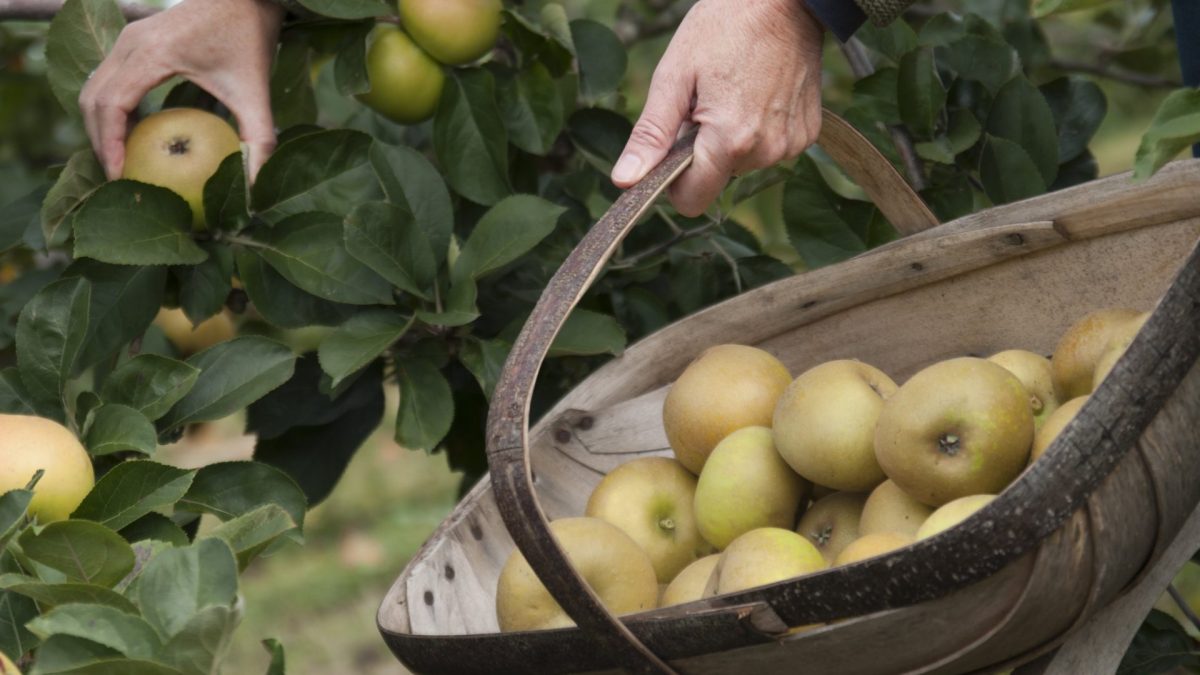
Autumn has arrived rather early in some gardens and plants – due to dry soil and a hot summer – with die back, leaf loss and autumnal tints. Potato foliage has died back and the tubers have stopped growing. They might start to regrow if rain arrives, forming bumps and daughter tubers, or dollies, making them troublesome to prepare in the kitchen. Lift and store the tubers as soon as possible as they can quickly lose dormancy in hot dry soil and begin to sprout which reduces their storage life. Rake over the soil after lifting, and indeed any bare soil in the garden to leave it level and ready to sow.This early autumn is ideal for sowing cover crops once the soil is moist enough. These pick up unused soil nutrients and prevent them being washed away and lost to potentially cause pollution. Their roots will also improve the soil. Some make excellent plants for pollinators when they flower in spring. Shorts Phacelia tanacetifolia, or fiddleneck, has abundant blue flowers next year and crimson clover (Trifolium incarnatum) bears masses of red flowers valued by bees. These must be sown by mid-September for good results but rye, ryegrass and wheat (from birdseed) can be sown until November, although sooner is better. For flower borders that won’t lie soggy all winter, consider covering bare ground with annual flowers; alyssum, calendula, candytuft (Iberis), Clarkia, cornflower, larkspur, nigella and annual poppies. Sow as early in September as possible. Lawn seed too will germinate in early autumn once rains have wetted the soil, so any bare patches left by heavy wear during drought can be patched. If sowing late or if birds trouble the seeds, cover with fleece. Many deciduous shrubs and some trees will have lost their leaves which, having fallen, cannot now contribute to the autumn colour. Shrubs are very robust so generally recover – they originate from places too harsh for trees to thrive. Trees live to decades, sometimes hundreds of years, and during that time encounter many droughts and have evolved to rebound from dry years so well-established trees usually survive without help. New trees will have needed watering during the summer and should be kept moist until their leaves fall naturally. While the soil is not too wet, take the opportunity to remove grass and other vegetation from around the base of new trees. Clarkia amoena is an annual you can sow in September (Photo: Katy Prentice/RHS) Plentiful warmth and light will have left other trees with plenty of leaves in good condition with plentiful resources. Where drought stress has not been too severe, autumn colour can be expected once the nights begin to get cooler. Bright days and cool nights give the best colour. Apples and pears are ripening weeks early so be ready to pick and store once the first fruits fall. Any fruit that detaches itself if lifted in the palm of the hand is ripe enough to harvest. Quinces too can be gathered. Pears quickly become mushy and tasteless if left too long on the tree –pick them as soon as they are fully developed and begin to change colour. A slight sweet taste will be present too. Let them ripen indoors to perfect taste and texture. An early autumn makes tending the soft fruit much more pleasant than in autumn rain and mud, so take advantage of the still lengthy days and warmth to remove spent raspberry, hybrid berry and blackberry canes and tie in the new ones to crop next year. @GuyBarter is the Royal Horticultural Society’s chief horticulturist The RHS is a charity inspiring everyone to grow via its research, advisory, outreach, shows and gardens. For more information, visit: rhs.org.uk
An expert guide to gardening through the ‘false autumn’
Full Article
Original Source
Read the full article at Inews →KhanList aggregates and links to publicly available news content. We do not host full articles from third-party sources. Always verify important information with original sources.