
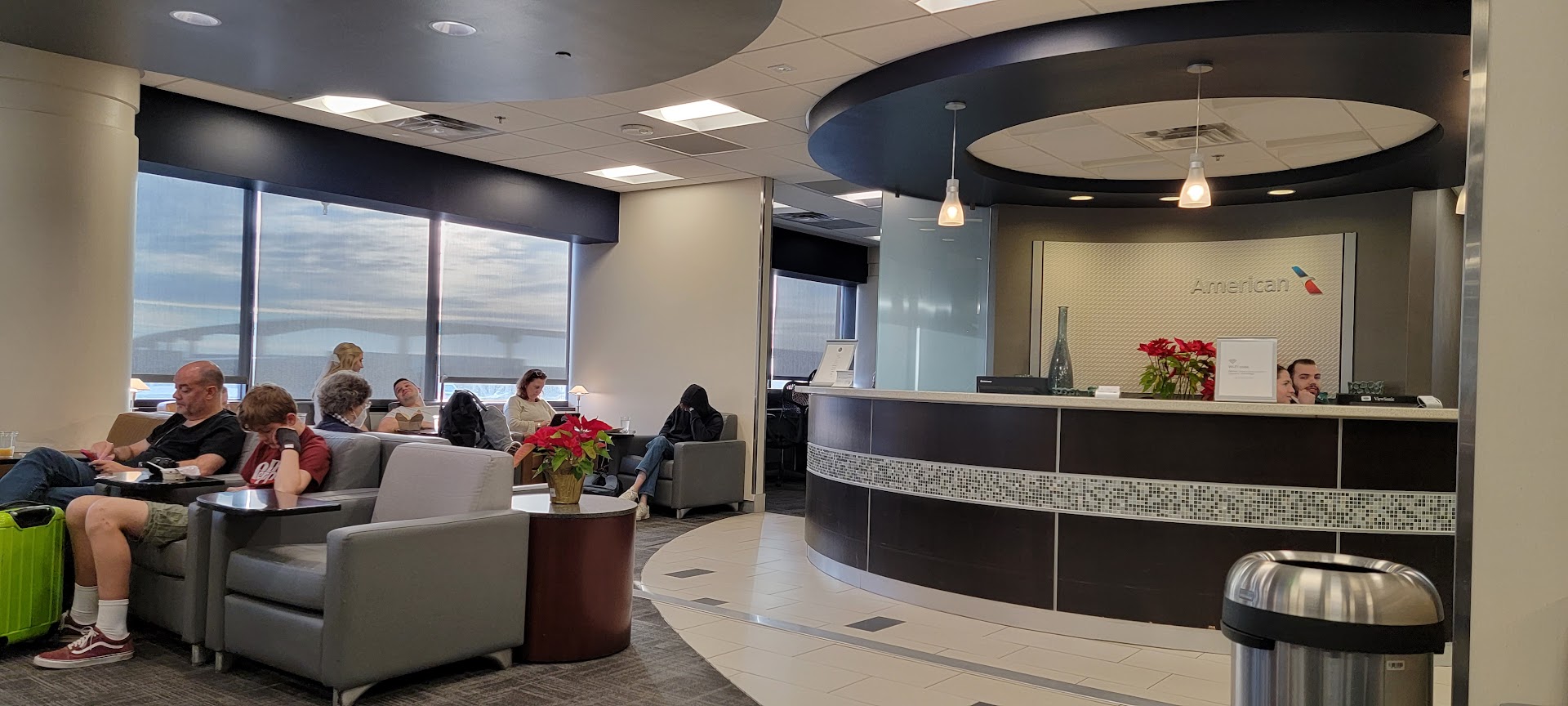
American Airlines Phoenix lounges are one of the biggest holes in the airline’s effort to offer a better product. They’re been too small, crowded dated, and barely worth visiting even when you have access. Already American expects 18 million lounge visits in 2026 up 80% from 10 million in 2016 while passenger traffic is up just 12.1%. What may have worked in the past no longer does. And American is finally announcing substantial investment in all three Admirals Clubs, adding enough room that getting away from a crowded gate might actually mean getting away from a crowd. Here’s what’s changing: Location Planned Changes A19–A21 Near term: new food service area, infrastructure for expanded food and drink offerings, and facility updates. B5–B7 New self-service food and beverage area, 20% more seats, refreshed interiors and improved support space. Both A clubs, including A7–A9 Longer term: nearly triple their combined footprint, approximately 150% more seats, and refreshed furnishings and finishes. A club seating would become about 2.5 times current level. American isn’t sharing expected completion dates, actual seat counts or square footage. And there’s no Phoenix Flagship Lounge announcement. What’s perhaps most interesting to me is they’re spending on Terminal 4 even as they committed to invest as the anchor airline for Phoenix’s planned $4.5 billion West Terminal. The airport expects a late 2033 opening (so sometime after that, natch). That’s seven years away. American can’t sell a premium experience today on the promise that its lounges will become better in the mid-2030s. But the American I’ve come to known wouldn’t invest today when they’ll also be investing later. Phoenix unveiled its preferred West Terminal concept at Tuesday’s Industry Day, which American CEO Robert Isom attended. So the timing of this announcement wasn’t a coincidence. American, though, is investing in its lounges in a real turnaround. I suggested last year that I’d believe their commitment to becoming a more premium carrier and focusing on revenue growth rather than just cost control when the capital investments started – clubs and new planes. We’re still waitin on the expected aircraft order, but American is planning to deliver a new, renovated or expanded lounge nearly every month on average over two to three years. Phoenix had been a real omission from the announced pipeline. After years of club closures and renovations I described as “modern hospital,” American developed a much warmer design. Washington National’s E concourse club, followed by Denver, Newark and Philadelphia, showed what they could do with better lighting, wood, and places that are actually comfortable to sit and work. The food has been improving as well. I covered the additional hot dishes and better charcuterie in Admirals Clubs. And Flagship lounge food is getting better. Flagship Dining now offers sit down meals and good wine for long haul business class passengers. The current lounge pipeline includes: Airport Project Charlotte More than 40,000 square feet above the atrium, plus a separately announced Flagship Lounge. Dallas–Fort Worth A 37,000 square foot Terminal C club and Terminal F Provisions. Miami A new Flagship Lounge and expanded D30 Admirals Club, nearly doubling total lounge space. Chicago O’Hare A replacement Concourse L club exceeding 10,000 square feet. Washington National Rebuilding the D club with 50% more seats. Austin More than 12,000 square feet with an outdoor terrace. Permits are in hand, and I expect a 2027 opening. Nashville About 17,400 square feet with outdoor terraces. Construction is targeted for 2027. New York JFK A 3,700 square foot Provisions location with a dedicated barista bar. San Antonio’s new terminal plans also include its first Admirals Club. And Los Angeles Flagship Dining reopened November 5. American announced Citi branding at Admirals Club entrances. It’s part of their new card agreement that is more of a joint venture than supplier relationship. Citi gets an airport lounge presence through American’s network. The Executive card includes membership, while Globe and Strata Elite each provide four passes a year. The clubs help sell three different credit cards. Lounge pricing pushes frequent flyers toward Citi. The Executive card’s annual fee is $695 for new applicants. A full standalone Admirals Club membership is $1,200–$1,400, while even the restricted $750 Single membership costs more than the card and leaves out guests and partner lounges. American is making the card the obvious way to buy access. Better clubs help get customers to apply and give them a reason to renew. Once they’re carrying the card, American and Citi have more opportunities to get their spending. And with Globe and Strata Elite distributing passes alongside Executive memberships, American needs more seats./ Topics on this page
American Airlines Plans To Nearly Triple Its Phoenix A Gates Lounge Space—And Add 150% More Seats
Full Article
Original Source
Read the full article at Viewfromthewing →KhanList aggregates and links to publicly available news content. We do not host full articles from third-party sources. Always verify important information with original sources.