
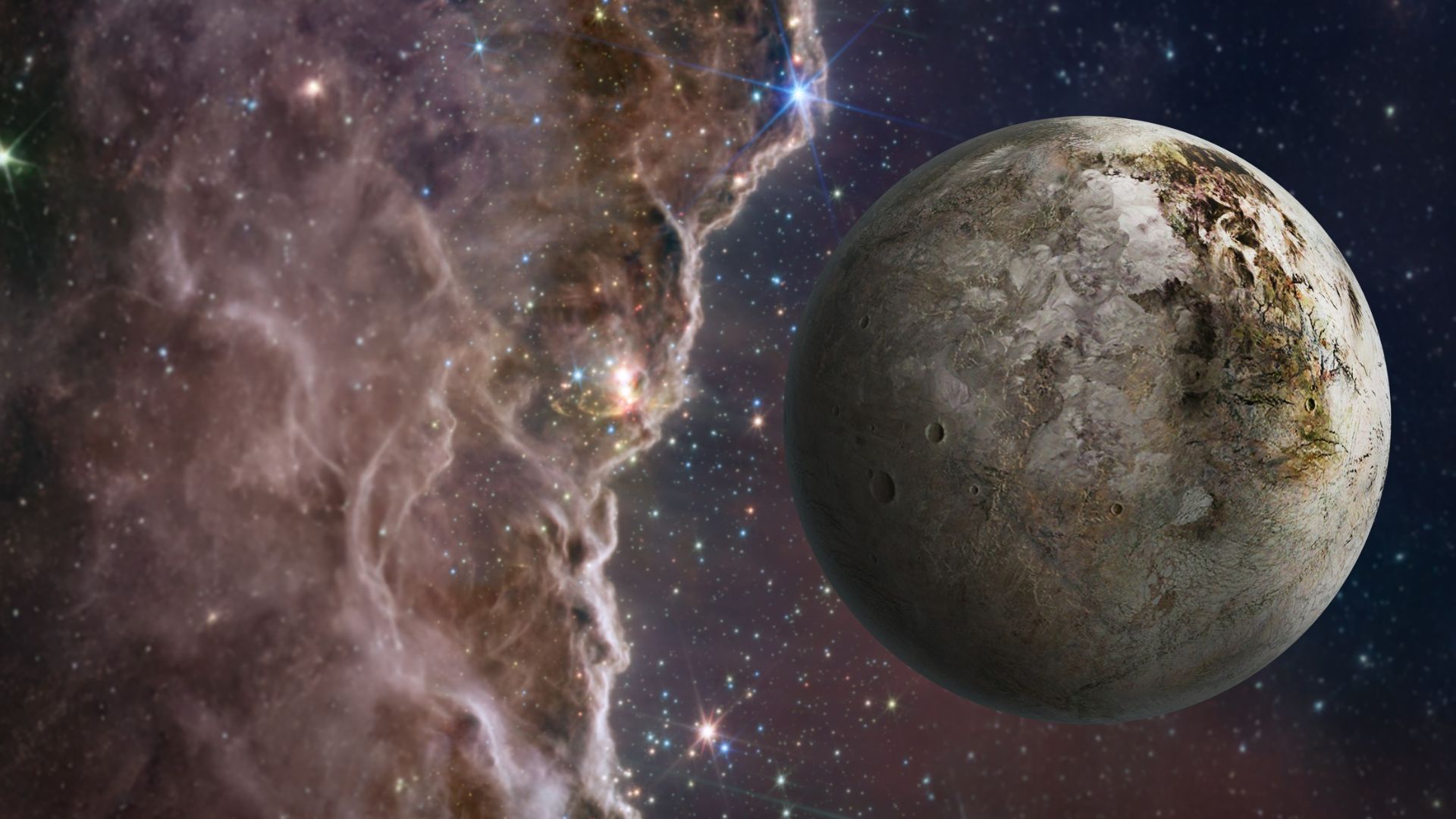
Two amateur astronomers have identified dozens of potential exoplanets using OpenAI’s Astra and Codex to analyze data from NASA telescope missions. Their searches examined observations covering approximately 19 million stars and produced several candidates awaiting independent verification. One search identified 49 potential planets in its initial results. Another flagged more than 200 signals in Kepler observations, including two candidates that attracted independent attention from an astronomer at the SETI Institute. Neither researcher has confirmed a new exoplanet. However, their findings have reached professional astronomers for further investigation.Two independent searches Two independent planet hunts Kevin Bond, an engineer at OpenAI, used Codex to develop a search program analyzing data from NASA’s Kepler Space Telescope. His investigation covered approximately 100,000 stars observed during the mission’s 2009–2018 operational period. Two amateur astronomers, Kevin Bond (@canvrno) and Ethan Byrd (@itsjustemail), independently found signals that could point to planets around distant stars. They knew you didn't need your own telescope for this kind of hunt.Kevin used Codex and Ethan used Astra to search public… pic.twitter.com/Wpw7xPHLmf— OpenAI (@OpenAI) November 24, 2026 The program identified more than 200 signals, including 10 associated with previously confirmed planets. Two additional candidates stood out during subsequent analysis. One involves KIC 5689121, a relatively cool star in the constellation Lyra. The search detected a recurring dip in its brightness every 13.8 days. If a planet causes the signal, it could measure approximately 2.4 times Earth’s diameter. Bond shared his findings with the SETI Institute for independent assessment. Associate director Vishal Gajjar conducted a separate search and identified two matching signals in the Kepler dataset. Gajjar said Bond’s work had surfaced promising candidates that traditional searches might have missed. Follow-up observations will help researchers determine whether the signals indicate actual planets. Ethan Byrd, founder of email infrastructure startup Primitive, conducted a separate investigation using OpenAI’s Astra. His searches covered observations of approximately 19 million stars. Byrd used Astra to examine published astronomical methods and develop two search programs. One targeted exoplanet candidates broadly, while the other focused on stars with potentially habitable zones. His initial analysis identified 49 candidates. Byrd submitted one of his strongest findings to researchers working on NASA’s Transiting Exoplanet Survey Satellite (TESS) mission. Two additional candidates are awaiting submission. How the searches work Both investigations relied on the transit method, which detects planets through changes in their host stars’ brightness. A planet passing between its star and Earth blocks a small amount of starlight. That crossing creates a dip in measurements known as a light curve. Repeated dips at regular intervals can indicate an orbiting planet. Similar signals can also originate from other astronomical objects or instrumental disturbances. Two stars passing in front of each other can produce comparable brightness changes. Temperature fluctuations inside a telescope can also affect its measurements. Astronomers therefore need additional observations before confirming a candidate. They can monitor subsequent transits or measure subtle movements in a star caused by an orbiting planet’s gravity. The latter technique, known as radial velocity, detects changes in a star’s light spectrum as it moves toward or away from Earth. Astronomers have confirmed more than 6,400 exoplanets since the first discoveries in 1992. Amateur researchers have contributed to that effort through independent observations and searches of publicly available telescope data. Bond and Byrd have now added several candidates to the list awaiting professional examination. Their findings will require further observations and independent scientific scrutiny before researchers can classify any as confirmed planets. Get the latest in engineering, tech, space & science - delivered daily to your inbox.Aamir is a seasoned tech journalist with experience at Exhibit Magazine, Republic World, and PR Newswire. With a deep love for all things tech and science, he has spent years decoding the latest innovations and exploring how they shape industries, lifestyles, and the future of humanity.
Amateur astronomers use OpenAI to hunt down 49 potential planets in public NASA data
Full Article
Original Source
Read the full article at Interestingengineering →KhanList aggregates and links to publicly available news content. We do not host full articles from third-party sources. Always verify important information with original sources.