
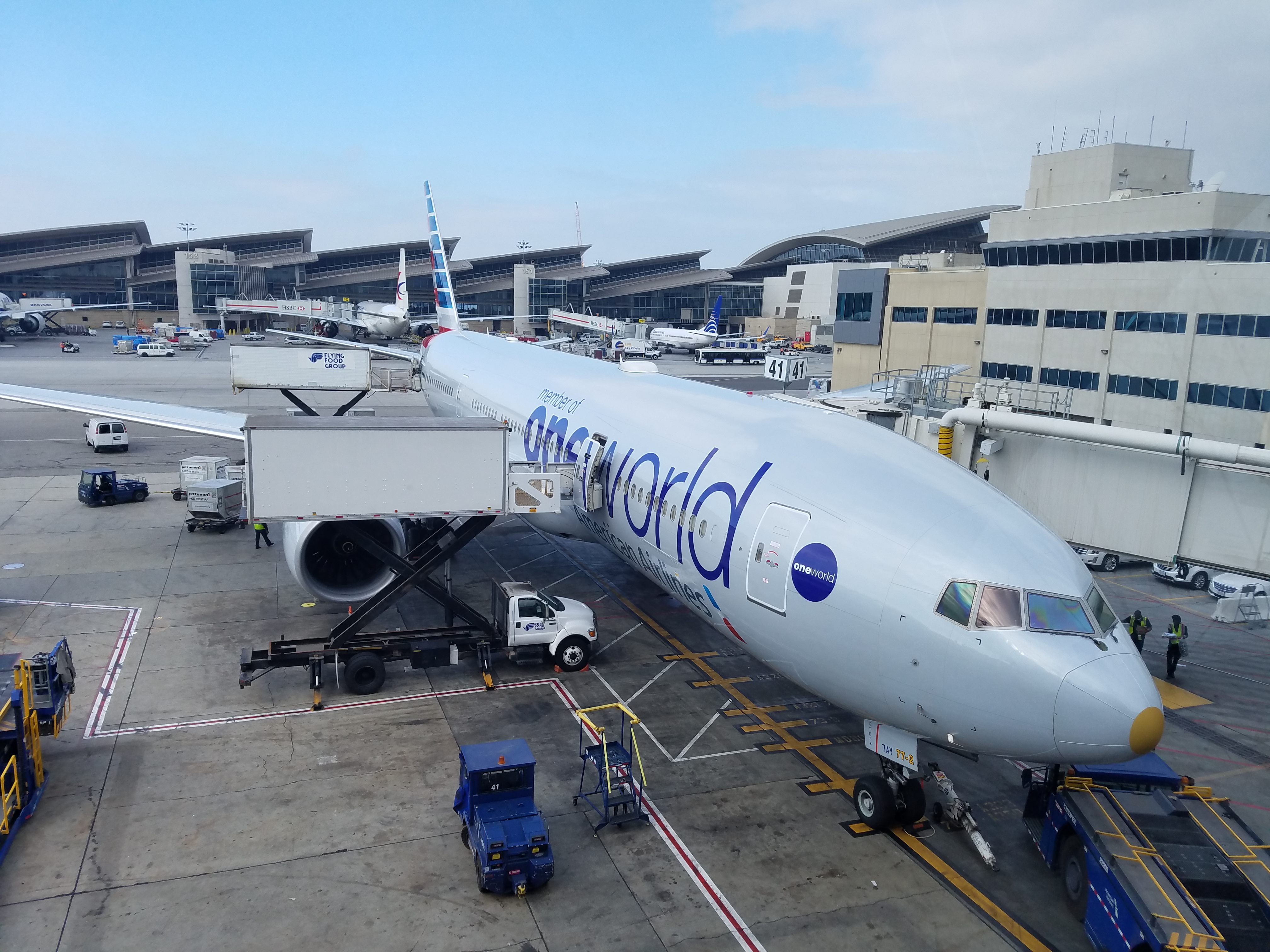
Airline alliances make a frequent flyer program useful far beyond the places its own airline flies. They connect route networks, extend elite benefits, and let us spend miles on airlines we may rarely have a chance to earn them with. They also have airline members with a powerful incentive to take more from the group than they contribute. Every airline wants customers of the other carriers in the alliance to have a reason to choose them for their travels. They want their loyalty program to promise their miles can help them travel around the globe, making their own program more attractive and profitable (though some airlines don’t like actually spending for those awards). These airlines, though, are often less eager to make their own best products available in return. At oneworld’s Loyalty Summit on Tuesday, September 8, American Airlines Chief Commercial Officer Nat Pieper talked up the alliance he led before joining American last year. He’s right that oneworld Emerald’s access to first class lounges is a real differentiator compared to Star Alliance and SkyTeam. The first class lounges of Cathay Pacific and Qantas are fantastic, especially for an elite traveler flying in coach! However, American itself helps illustrate how hard it is to make that experience consistent. Emerald status alone hasn’t opened American’s first class lounges! Flagship First Dining and the Chelsea lounge have been off-limits to oneworld status. And when Flagship Dining expands to qualifying American business class customers on September 15, an Emerald admitted to the surrounding Flagship lounge on status still won’t get dining access on that basis. Those exclusions are written into the alliance rules. The benefit is valuable, and it also comes with exceptions created by the airlines that provide it. Airlines Across All Three Alliances Hold Back Award Space I’ve written about this across alliances for years. Members of the same alliance can have very different access to use miles the same flight. Lufthansa and Swiss. Lufthansa has long given Miles & More members access to premium awards that partners can’t book, particularly first class well in advance. Swiss goes further normally limiting first class awards to Miles & More Senator and HON Circle members. Air France. La Première awards are restricted to Flying Blue Platinum and Ultimate members. A Delta Diamond member’s SkyTeam status doesn’t qualify them. Air France also offers far less availability to members of partner programs. Having Delta miles frequently doesn’t allow you to book saver awards offered to Flying Blue members (even at the extortionate prices SkyMiles charges). Singapore Airlines. Much of its long-haul premium cabin award availability has been reserved for KrisFlyer members. Access has also varied among partners, with selected programs such as Aeroplan getting opportunities that others don’t. Star Alliance membership doesn’t mean every program gets an identical set of seats. Cathay Pacific and Qantas. Both have kept premium cabin award opportunities for their own members that customers spending partner miles can’t access. British Airways and Qatar Airways. Some award availability offered through Avios programs isn’t offered to American AAdvantage members, even though all three airlines belong to oneworld and American is even in joint ventures with each. It’s sort of funny that an airline will treat Chase’s and Amex’s customers better than the members of its alliance partners. But, of course, Chase and Amex are paying more for the miles than airline partners are generally paying for the equivalent seats. American and British Airways share revenue across the Atlantic. So do United and Lufthansa. Air France and Delta are joint venture partners, too. Those arrangements are meant to approximate mergers that wouldn’t be allowed under home government foreign ownership restrictions. These are literally supposed to be ‘revenue-neutral’ and ‘metal neutral’ meaning they’re designed so that the airline shouldn’t care which aircraft you fly. They’re supposed to be the same airline, for all intents and purposes. But a great award encourages progam members to earn more of an airline’s miles, get its credit card, or transfer points in from a bank. Making that seat available to a partner brings reimbursement and loyalty for someone else. An airline gets direct benefit from restricting award space. The value in making the alliance more attractive is spread across all its members. Each airline can be individually rational while leaving the combined effort less valuable. The Alliance Has To Persuade Airlines To Contribute Alliance leaders deserve more credit than they get. They provide the connective tissue and effectively pushing on a string: they can negotiate standards and agreements, while the member airlines still control their inventory, products, and much of the technology that delivers the trip. Even something as basic as getting a bag to the end of an itinerary can run into this. American generally won’t through-check bags across separate reservations, even onto a oneworld partner. There’s a narrow way to combine an award and a paid ticket in the same reservation: book the partner oneworld airline award using American miles, then have reservations sell the connecting American flight inside that existing reservation. That’s a lot for a passenger to know just to avoid collecting and rechecking a bag. This originates because of an Obama-era rule that airlines had to charge a single checked bag price for a journey. They’d then pro-rate it across different airlines. Refusing to through-check bags inconveniences the customer, but maximizes revenue for the trip in front of them. Yet these fees don’t even apply to first class awards, or elite frequent flyers. I once booked Etihad first class from the U.S. to Abu Dhabi, but American’s domestic award space wasn’t available. Because American was giving me less value on the award, I needed to buy an American Airlines ticket… and they wouldn’t even through-check my bag (Etihad didn’t qualify for me to sell the revenue ticket inside the reservation as a workaround, because they’re not in oneworld). I still fume at having to collect my bags and then wait for the Etihad check-in counter to open to re-check them – when there wasn’t even bag revenue on the table for any airline to earn from the indignity. American Airlines particularly needs its oneworld partners because its own global route network is limited. Prioritizing close partners and joint ventures doesn’t replace the rest of the alliance’s reach. Getting more out of that reach requires agreement on who opens award inventory, who admits another airline’s elite members, and how those benefits are paid for. Though joint ventures have often trumped interest in alliances, airlines still need to lean into these alliances for the value they create and that means entering agreements that really do make travel more ‘seamless’ and miles more valuable. Topics on this page
Alliances Make Your Miles More Useful—While Airlines Keep More Of The Best Awards For Their Own Members
Full Article
Original Source
Read the full article at Viewfromthewing →KhanList aggregates and links to publicly available news content. We do not host full articles from third-party sources. Always verify important information with original sources.