
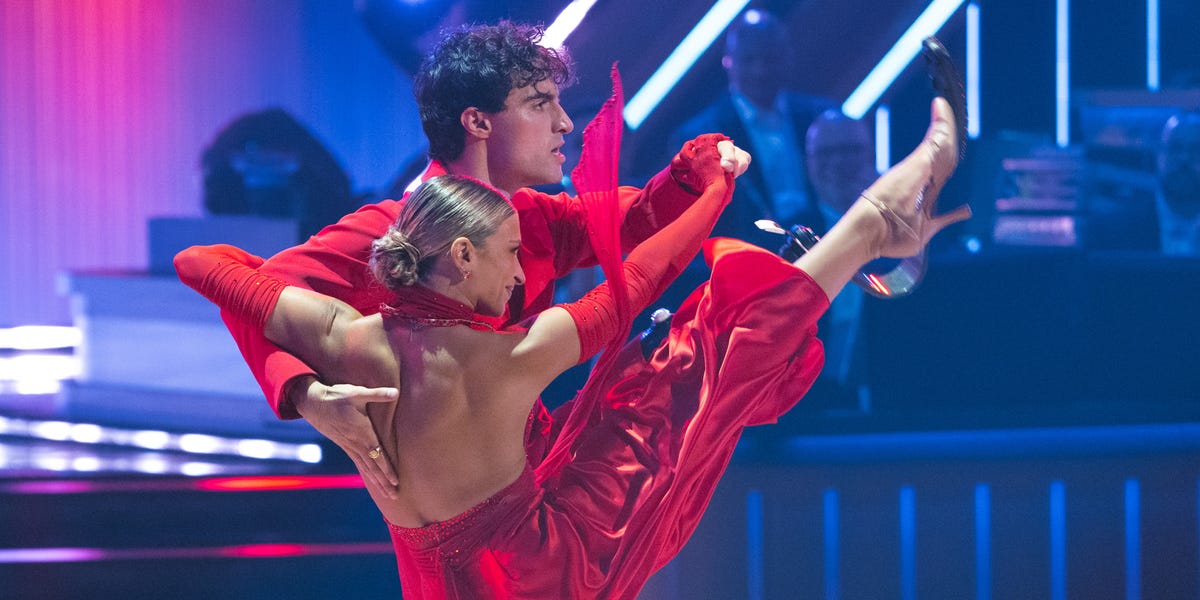
Raise your hand if you live for Dancing With the Stars but don’t know a single thing about ballroom dance (*raises hand*). From the foxtrot to the cha cha to the waltz, there are SO many different styles tackled on the long-running competition series, and if you can’t tell a chassé from a pas de bourrée, fret not, because you’re not alone.Ahead, I’ve gone ahead and defined all the different dance styles that you’ll most likely see tackled this season of DWTS, because IMO, watching is a bit more fun when you (sorta) understand what makes the standard tango different from the Argentine tango. I’ll also be ranking from easiest to most difficult—at least, based on what DWTS pros and contestants have had to say.Jump to:ContemporaryJazzFoxtrotCha ChaRumbaWaltzSalsaPaso dobleTangoArgentine TangoViennese WaltzJiveSambaQuickstepContemporaryIs it a traditional ballroom style? Lol, no. But ever since it was introduced in season 16, it’s allowed dancers to focus on performance without worrying so much about technique (though it still calls for upper-body posture and turnout, since it draws on classic ballet).JazzFirst introduced in season 15, jazz also isn’t a ballroom style but it’s considered a bit more technical than contemporary. For jazz, you need to keep your center of gravity low and your energy high to achieve those dynamic movements.FoxtrotA DWTS staple since season 1, the foxtrot relies on smooth, progressive movements and is built around a slow-quick-quick or slow-slow-quick-quick rhythm. The hardest part of this one: making it look effortless.Cha ChaAnother style that’s been around since season 1, this Latin dance is characterized by sharp hip movements and quick footwork. It’s lively, it’s flirty, but it’s also accessible for beginners.RumbaLike the cha cha, this Latin dance has been performed on DWTS since its first season, and it requires partners to stand close and move together. Unlike the cha cha, the rumba is slow and smooth—and ideally, it should be pretty sexy.WaltzOtherwise known as the American smooth waltz, this dance is characterized by sliding, gliding, and a rise-and-fall movement. This one is all about grace, and you’ll recognize it for its distinct 3/4 time signature.SalsaAnother Latin style, salsa was introduced back in season 7 and has been bringing the heat ever since. What makes this type of dance unique is that it relies on weight shifts to achieve that bouncy, percussive rhythm—all while your upper body remains relatively level. And of course: lots of shoulder rolls!Paso dobleOriginating in Spain and part of the DWTS repertoire since season 1, this unique dance style requires one partner to serve as the matador and the other as the bullfighter’s cape (yes, really). It’s fast-paced but requires precise, strong upper body movements, and when done right, it’s intense.TangoTypically performed in a closed-hold position (aka with partners standing very close together), the tango requires sharp, precise footwork along with plenty of drama. The giveaway is the signature “tango walk,” which uses bent knees, level hips, and precise foot-crossing.Argentine TangoThe difference between the standard ballroom tango and the Argentine tango, you ask? Instead of using a closed-hold frame and staccato movements, the Argentine tango (introduced in season 8) features a much more flexible embrace and intricate leg hooks and crosses. Also: lifts and dips!Viennese WaltzAdded into the DWTS repertoire in season 5, the Viennese waltz is much faster than the traditional smooth waltz—like, I’m talking nearly double or even triple the speed—with continuous 3/4 music. It’s also a rotary dance typically performed in a closed-hold position, so newbies to this style are liable to get very dizzy.JiveA fast and hiiiighly energetic Latin dance style, the jive is all about little kicks, leg flicks, high knees, and ridiculously fast feet. It’s been featured in DWTS (and exhausting celebs) since season 1, so it’s a classic.SambaYet another Latin dance that’s been around since the inaugural season of DWTS, samba relies on rhythm, bounce, and LOTS of hip action. It’s considered one of the most technically difficult styles because of the continuous vertical knee-bouncing action that’s required (aka the “samba bounce”) and the syncopated footwork.QuickstepWhile the samba may be a bit more difficult to nail rhythmically, the quickstep is probably the trickiest ballroom style to master overall. This one involves multiple advanced patterns—including hops, runs, fast turns, and (of course) quick steps—and requires dancers to stay on their toes basically the whole time, all while keeping a solid frame. Phew!!
All the Dance Styles You’ll See on ‘Dancing With the Stars,’ Defined and Ranked From Easiest to Most Difficult
Full Article
Original Source
Read the full article at Cosmopolitan →KhanList aggregates and links to publicly available news content. We do not host full articles from third-party sources. Always verify important information with original sources.