
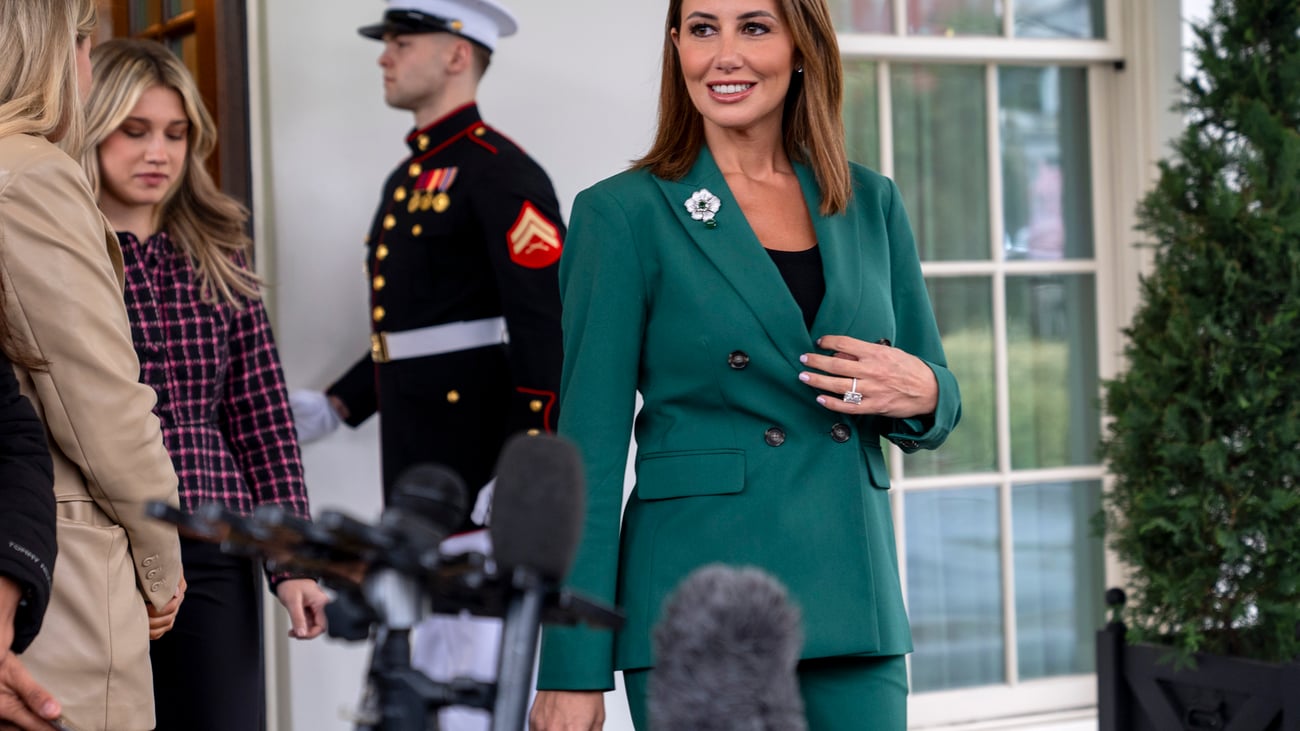
Habba was interim U.S. Attorney for New Jersey in 2025 when she charged Democrat Mayor Ras Baraka with trespassing at an ICE facility — a charge that was swiftly withdrawn less than two weeks later.(CN) — Top Donald Trump ally Alina Habba on Friday won the dismissal of a lawsuit accusing her of defamation, malicious prosecution, and false arrest brought by Newark, New Jersey’s mayor.In a 33-page ruling, U.S. District Judge Brian Martinotti — a Barack Obama appointee in the District of New Jersey — acknowledged that Ras Baraka brought forth “a litany of facts that are, candidly, concerning,” but that the mayor ultimately lacked the legal backing to pursue the claims.Baraka brought the lawsuit in 2025 when he was arrested at Delaney Hall, an Immigration and Customs Enforcement detention center in Newark, while trying to inspect the treatment of detainees inside.Habba, who was then the interim U.S. Attorney for New Jersey, booked Baraka on a trespassing charge, then withdrew them just 10 days later, drawing ire from a federal magistrate judge.“The apparent rush in this case, culminating today in the embarrassing retraction of charges, suggests a failure to adequately investigate, to carefully gather facts, and to thoughtfully consider the implications of your actions before wielding your immense power,” opined U.S. Magistrate Judge André Espinosa on May 21, 2025.Baraka then sued, claiming the entire incident was manufactured by Habba for his “maximum humiliation.”But on Friday, Martinotti ruled that Baraka’s claims didn’t meet the high bar to pursue malicious prosecution and false arrest claims against a federal official, outlined by the Supreme Court’s landmark 1971 ruling Bivens v. Six Unknown Named Agents of Federal Bureau of Narcoticsand subsequent opinions.“In Bivens, the Supreme Court recognized at least some circumstances in which federal courts can fashion a judge-made damages remedy for constitutional violations by federal officers,” Martinotti wrote. “However, since Bivenswas decided, the Supreme Court has made abundantly clear ‘expanding the Bivensremedy is now a ‘disfavored’ judicial activity.’”Post-1971, the high court has reversed course and made it increasingly difficult for individuals to seek monetary damages for constitutional violations by federal agents, on the basis that it’s up to Congress to greenlight that right, not the judiciary.Baraka had also sued for defamation and false light, targeting statements Habba made after his arrest. She wrote in one social media post that Baraka “has willingly chosen to disregard the law” when he “ignored multiple warnings” from federal agents to leave the immigration facility.Martinotti said statements like this were “ultimately unfounded, as evidenced by the United States of America’s proposed order for dismissal of the charges brought against Baraka.” Still, he dismissed Baraka’s defamation and false light claims on the basis that Habba was acting within her role as a government employee.“In other words, her conduct was of the kind an interim United States Attorney would be employed to perform,” he wrote.Because of that, Martinotti said Baraka’s beef isn’t with Habba as an individual, it’s with the United States government. That means the Federal Tort Claims Act would have been more appropriate than defamation, according to the judge.Baraka can try again, though. Martinotti dismissed the claims without prejudice and gave him 21 days to file an amended complaint. But he also noted “the court has reservations regarding Baraka’s ability to allege facts that would survive a motion to dismiss.”A representative for Baraka’s office didn’t immediately respond to a request for comment.Habba, a personal lawyer for Trump, had a tumultuous, but brief tenure as New Jersey’s top federal prosecutor. After appointing her to the role of interim U.S. attorney, the Trump administration made several unconventional maneuvers to try to keep her there. On Dec. 1, the Third Circuit rejected her permanent appointment efforts, and Habba stepped down a week later.Subscribe to our free newslettersOur weekly newsletter Closing Arguments offers the latest about ongoing trials, major litigation and rulings in courthouses around the U.S. and the world, while the monthly Under the Lights dishes the legal dirt from Hollywood, sports, Big Tech and the arts.Additional Reads
Alina Habba gets Newark mayor’s defamation, false arrest lawsuit dismissed
Full Article
Original Source
Read the full article at Courthousenews →KhanList aggregates and links to publicly available news content. We do not host full articles from third-party sources. Always verify important information with original sources.