
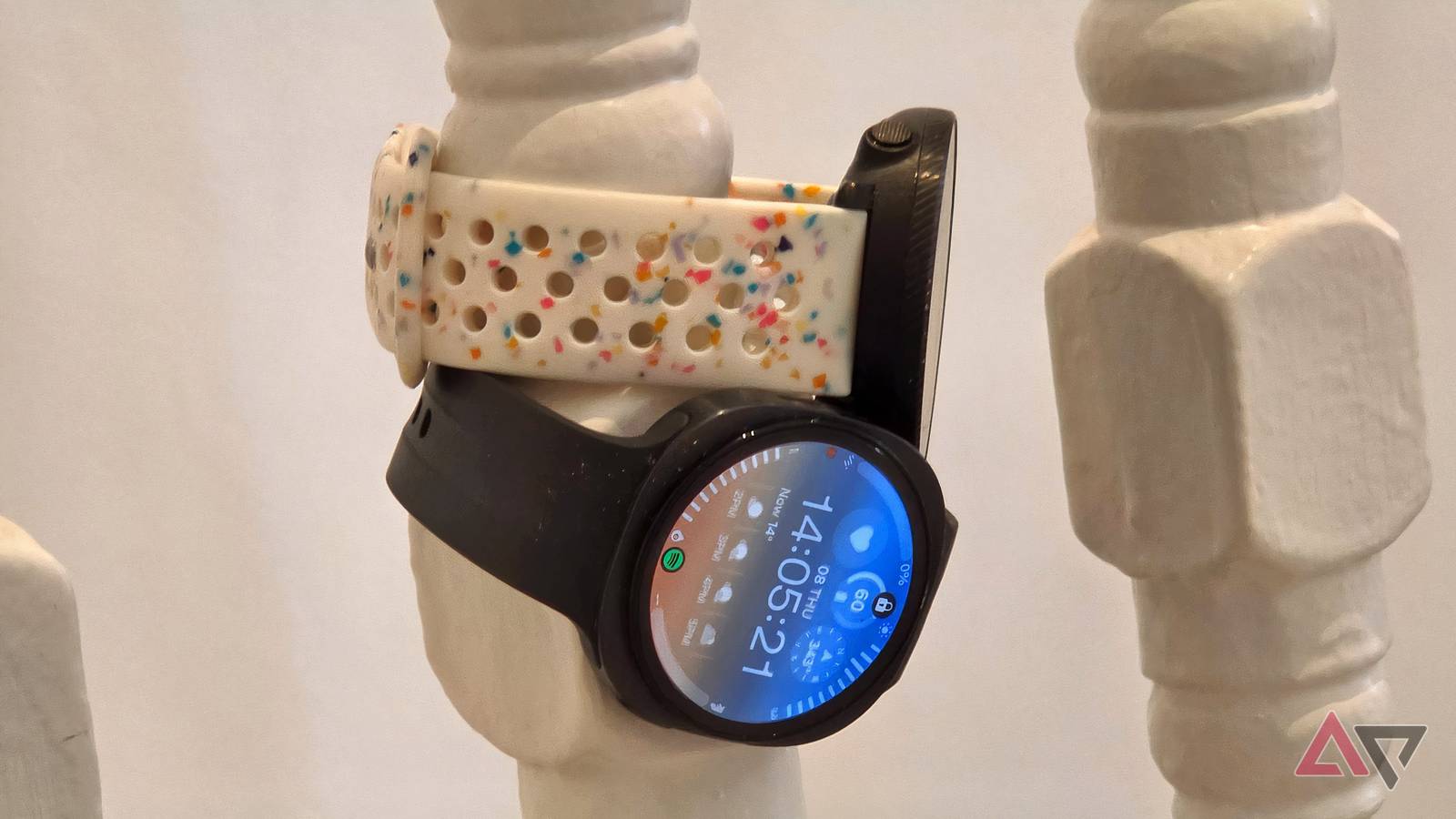
Published Oct 10, 2026, 1:00 PM EDT Tom has been covering technology since 2019, having worked as part of the phones team at TechRadar and then as an editor at What to Watch. Since 2025 he’s been a freelance contributor for many more brands including Digital Trends. BGR, TechRadar Gaming, TechAdvisor and GamesRadar. He's written about myriad topics over his career including phones and tablets, headphones and earbuds, fitness and AV, and enjoys adding more beats to his repertoire. Outside of technology he’s also written reviews and features on games, movies and sports, having worked for many years as an editor at movie & TV website WhattoWatch. He's attended tech launches, product shows, movie premieres and game launches to do so. Tom is based in London, UK, and when not covering technology he does work in the film sector, enjoys to run, cycle, climb and play tennis, and plays several instruments. The wearable world is varied, but the devices overlap lots in features, so I have my work cut out for me when using my near-decade of experience to give practical advice to people looking to buy the best smartwatch. Some want a simple strap or a fitness tracker without a screen, others need a smartwatch they'll wear all the time, and then the prolific runners need their own watches. Of those categories, the latter often gets overlooked, but it shouldn't. As part of my testing schedule, I've made a stark switch from a bare-bones, fitness-only running watch to an everything-on Wear OS wearable, and the contrast has helped me crystallize one simple piece of advice that makes choosing easier. Running watches and smartwatches are for different times A change of pace My default watch, for when I'm not reviewing anything, is a Polar Vantage M2. It's the one you see in the picture above, and I've previously written about it after I totally wrecked its strap. It's a simple device, and I like it that way: I fasten it to my wrist when I go on a run, and it logs in-depth data for my workouts. Then, when I've finished, I can remove it and forget about it until my next run. You can enable notifications on it, butit's a smartwatch through and through. For the last month, I haven't touched it because I've been using the Samsung Galaxy Watch 9 instead, which is a very different affair. This isn't a now-and-again watch, and you have to keep it attached constantly. It's always tracking my activity, reminding me to stretch my legs, and nudging me with notifications from my phone. I went from a watch I used for an hour a day to one that constantly tugged at my sleeves for attention. This isn't a gripe; it's what a smartwatch is for. I think that's why smartwatches dominate wearables: if you're paying a lot of money, you want a device you use most of the time. But there's an important difference in how you use them, which means some people will prefer running watches. How often do you want something on your wrist? It's the ultimate question Andy Boxall / Android Police Despite testing smartwatches for a living and training for multiple marathons with the insight fitness trackers provide, I don't love having something strapped to my wrist. That's just as true of wristwatches as it is of smart devices. Everyone has a different tolerance for accessories and gadgets like these — you'll never find me with a smart ring for that reason — and it acts as a natural ceiling to how often we can use gadgets. But it also helps make the buying decision easier. You only get the most out of a smartwatch like the Galaxy Watch 9 if you wear it all the time. Every time I take it off my wrist, I feel like I'm missing out because they're designed to be a constant companion. Peeking into Samsung Health makes this clear. The app is full of graphs and stats tracking various metrics throughout the day, and conspicuous gaps appear when I take the watch off for a few hours. I even feel guilty if I take a trip to the shops without the watch; its aggregated daily stats will miss out on those thousand steps! While the Samsung is the watch I'm using now, this applies to various wearables I've used in the past. They're designed to be worn constantly, day and night, so you'd better have a good tolerance for wrist accessories. Running watches are a different beast, and if you don't like things strapped to you, they're ideal. They're more feature-light, often missing out on notification handling, music controls, or the ability to display maps, and focus on what they do best: running. That means you don't use them all the time; you wear them in small doses. They have better battery life too (the Galaxy Watch 9 lasts a day of normal use, the Polar Vantage M2 lasts about a week, and I've used 30-day ones). From all I've tested, smartwatches don't compare to the best running watches for tracking your workout. I'm talking about more accurate GPS and heart rate, a wider range of captured data, and more granular breakdowns of a run. As a result, they're often larger and bulkier, so it's handy you're not expected to wear them all day, or in bed. Running watch vs. smartwatch: There's one easy question to ask Do you want to wear a health device constantly, or sporadically? That's all it takes to decide whether you buy a smartwatch or a running watch. Some may default to the former, when the latter would suit them better. Smartwatches make things simple: they collect limited data and turn it into easy-to-digest results, and they're better for general health. Running watches give you in-depth data to parse yourself, so they're preferable to avid runners who want raw data. That's a general rule, but there are always exceptions, like devices that straddle the line between the two. And there are smartwatches designed for people who hate smartwatches.
After years of testing, I finally know the question to ask when buying a running watch
Full Article
Original Source
Read the full article at Androidpolice →KhanList aggregates and links to publicly available news content. We do not host full articles from third-party sources. Always verify important information with original sources.