
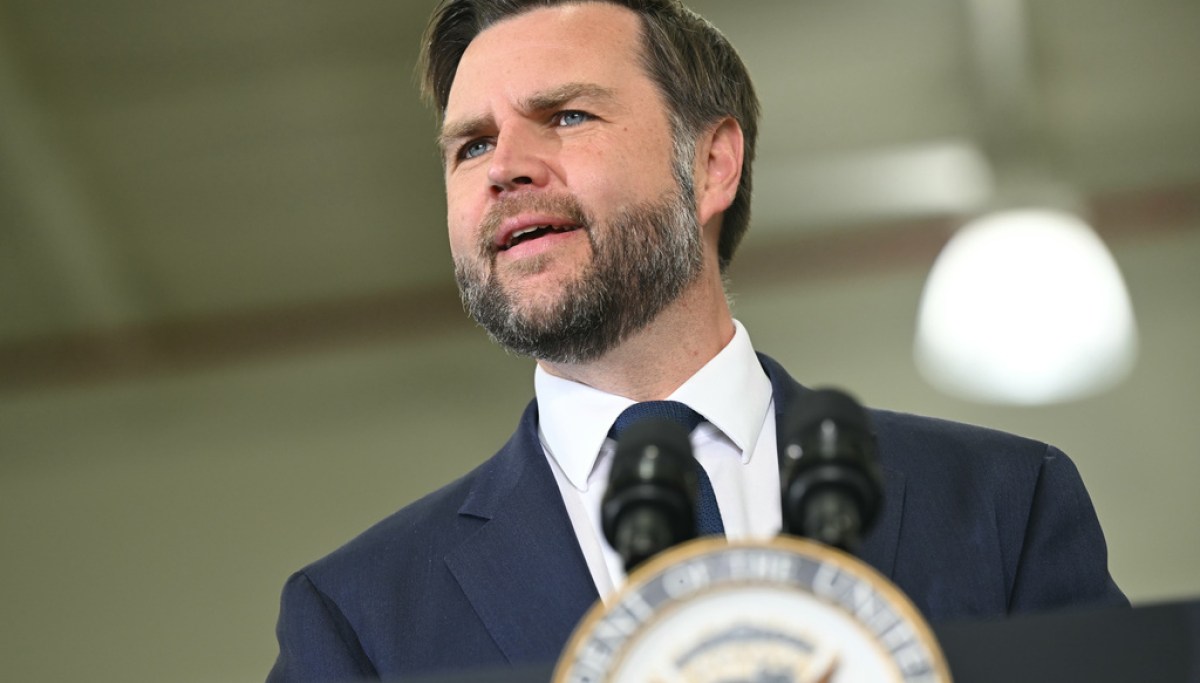
Twenty-two governors recently signed Vice President JD Vance’s Pledge to Protect Americans from Fraud. Noting that American taxpayers fund trillions in government benefits to support citizens in need, the pledge declares: “We must do all we can to stop the fraud and bring fraudsters and their enablers to justice, restoring trust and preserving these programs for future generations.” Twenty-two state financial officers joined the governors in signing the pledge.For governors, state treasurers, and state auditors committed to honoring this pledge, establishing a partnership with the Treasury Department to use Do Not Pay would be a good first step.First established by former President Barack Obama and later authorized by Congress, Do Not Pay is a tool managed by the Treasury’s Bureau of the Fiscal Service that allows government agencies to conduct pre-payment vetting. Do Not Pay screens payees against federal databases to identify people who are deceased, delinquent on federal debts or child support, debarred or sanctioned, or incarcerated. It also verifies identities and bank accounts. The Treasury Department points to nearly $12 billion in tax dollars saved thanks to Do Not Pay in 2025 alone. Many Americans would be surprised to learn that the federal government hadn’t been routinely using a commonsense tool such as Do Not Pay. According to the Treasury Department, only 4% of government programs were using Do Not Pay in early 2025. But after President Donald Trump issued executive orders aimed at strengthening the tool and mandating its use across government, the Treasury Department stated that 70% to 80% of federal programs were on track to use the tool by the end of the most recent fiscal year, with all programs expected to participate over the next year.Yet Washington currently has less control over how states administer federally funded benefit programs. The federal government provided $1.2 trillion to state and local governments in 2025. The nonpartisan Government Accountability Office warned that relying on nonfederal agencies to manage eligibility, make payments, and conduct oversight increases the risk of fraud.Since Congress enacted the Payment Integrity Information Act of 2019, all states have been authorized to access Treasury’s Do Not Pay system to strengthen payment vetting in federally funded programs. States can access the service at no cost. The Treasury Department provides staff to support states’ partnerships with the Bureau of the Fiscal Service to implement Do Not Pay in state programs.As of May 2026, only 19 states had access to the Do Not Pay web portal for at least one state component or office. The Treasury Department is making Do Not Pay data available to states to administer unemployment insurance and other benefits. The Department of Labor estimates that this information sharing prevented $118 million in improper unemployment payments in 2025. Yet Treasury officials explained that “stronger state partnership is needed to help ensure that states are using Do Not Pay when administering federal funds.”On Friday, Sen. Joni Ernst (R-IA) sent a letter to the National Governors Association and the State Financial Officers Foundation encouraging state leaders to partner with the Treasury Department to use Do Not Pay. “While a public pledge is a great way to show support for efforts to fight fraud, taxpayers need concrete actions to ensure their dollars are spent as intended rather than on the mansions and luxury cars of fraudsters,” Ernst wrote.States that proactively use Do Not Pay have achieved substantial savings. For example, Oregon has saved $15 million by using Do Not Pay since 2020. The Oregon secretary of state reported that the state saved $126 for each dollar of staff time using Do Not Pay and encouraged other states to use the tool.In the near future, Do Not Pay could become an even more effective tool for pre-payment vetting. This summer, the House of Representatives passed the bipartisan Pre-Payment Fraud Prevention and Treasury Data Access Act to add new data sources to improve vetting. Another House-passed bill, the ZOMBIE Act, would require regular meetings between federal and state government officials to encourage collaboration and improve oversight of state-administered spending programs.FAKE ROBBERIES, REAL BILLSBut elected officials in state capitals don’t need to wait for Washington to act. States should pass laws to require state agencies to use Do Not Pay to vet payment eligibility in federally funded, state-administered programs. Short of legislation, governors could issue executive orders directing appropriate state agencies to use Do Not Pay. And auditors should follow the lead of their counterparts in other states who have incorporated Do Not Pay data into their reviews of state expenditures to identify misspent funds.Governors and state executives committed to stopping government fraud should do more than sign the vice president’s pledge. They should call the Treasury Department today to begin using Do Not Pay to prevent fraud and misspending in federally funded programs.Dan Lips is a senior fellow with the Foundation for American Innovation. Jonathan Wolfson is legal director at the Fulcrum Foundation.
After pledging to stop fraud, states should use Do Not Pay
Full Article
Original Source
Read the full article at Washingtonexaminer →KhanList aggregates and links to publicly available news content. We do not host full articles from third-party sources. Always verify important information with original sources.