
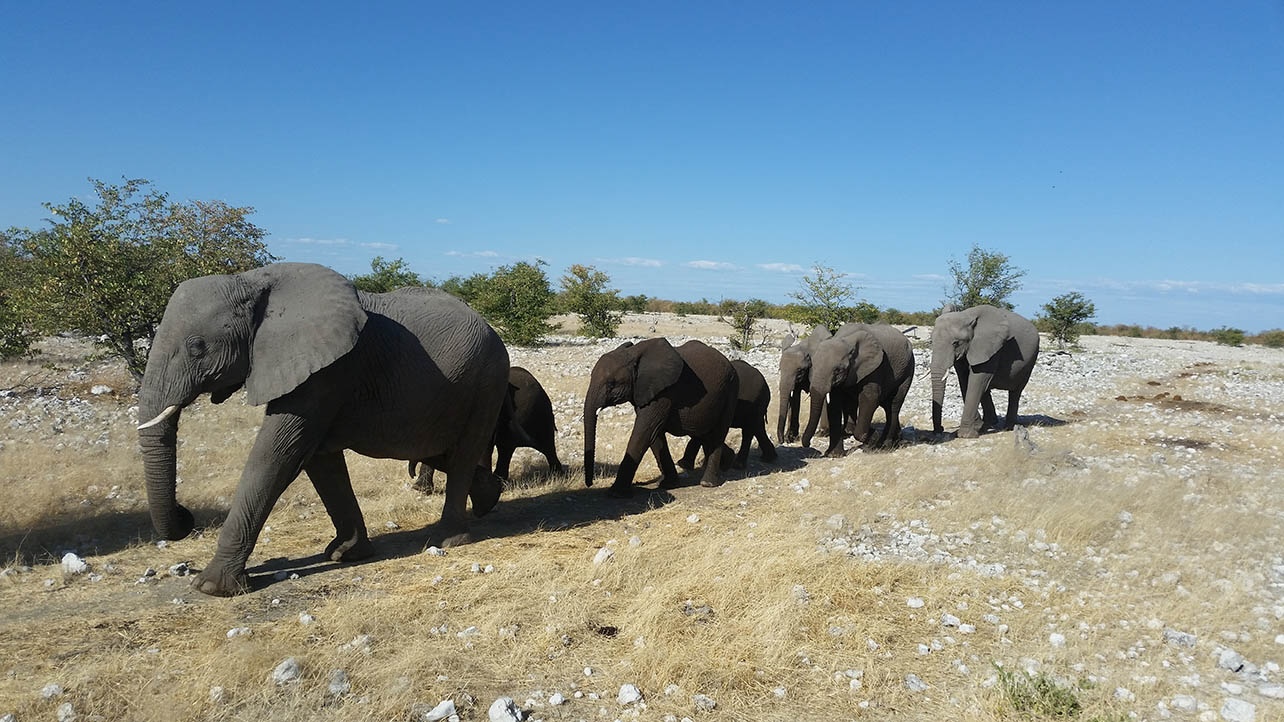
Africa’s monitored wildlife populations have declined an average of 80% since 1970, according to a new global assessment. The report also points to pockets of recovery where conservation efforts have been maintained over decades. The report on the decline in the average size of monitored populations was released Oct. 8 in the Living Planet Report 2026. It tracked monitored populations of mammals, birds, fish, reptiles and amphibians between 1970 and 2022. Africa’s 80% decline compares with a global average of 73%; Latin America and the Caribbean recorded the largest regional decline, at 95%. The findings come as governments prepare to assess progress on the Kunming-Montreal Global Biodiversity Framework, whose 23 targets include commitments to halt human-induced extinctions and support the recovery of threatened species by 2030. The framework also calls for conserving at least 30% of the world’s land, inland waters and seas by 2030. The Living Planet Index, managed by the Zoological Society of London in partnership with the World Wide Fund for Nature (WWF), draws on 35,803 population trends from 5,790 vertebrate species worldwide. The index measure changes in the average size of monitored populations, it does not mean that Africa lost 80% of its wild animals or wildlife species, a press release obtained by Mongabay cautions. Habitat destruction and degradation are the most frequently reported pressures on the wildlife populations tracked globally, the report finds. Overexploitation, climate change, pollution, disease and invasive species are among the other threats identified. In the Congo Basin, for example, those pressures include expanding agriculture, logging and mining, as well as roads and other infrastructure that fragment forests and make previously remote areas more accessible, according to the report. Hunting and poaching add to the pressure. WWF says African forest elephant (Loxodonta cyclotis) populations have fallen by more than 60% over recent decades, largely because of habitat loss and illegal killing for ivory. “Reversing this trend requires coordinated action across governments, civil society and other sectors, with Indigenous Peoples and local communities at the centre,” said Nadège Nzoyem, WWF’s regional director for the Congo Basin, in the release. The global numbers show that conservation can make a difference. Half the populations included in the index are either stable or increasing but steep declines among the remaining populations are large enough to pull the overall index sharply downward. As an example, in Southern Africa savanna elephants (Loxodonta africana) remain endangered and are declining across much of their range, the report reveals. But some populations are increasing in places where communities help directly manage wildlife and benefit from doing so. Those efforts have been accompanied by anti-trafficking measures, judicial reforms and efforts to reduce corruption. The report argues protecting individual species and habitats will not be enough. Food and energy production as well as financial systems are underlying forces that must also change to reverse biodiversity decline, the report notes. Banner image: Namibian elephants in Etosha. Image courtesy of Stephan Scholvin. Credits Topics
Africa’s monitored wildlife populations declined 80% since 1970, new report says
Full Article
Original Source
Read the full article at News →KhanList aggregates and links to publicly available news content. We do not host full articles from third-party sources. Always verify important information with original sources.