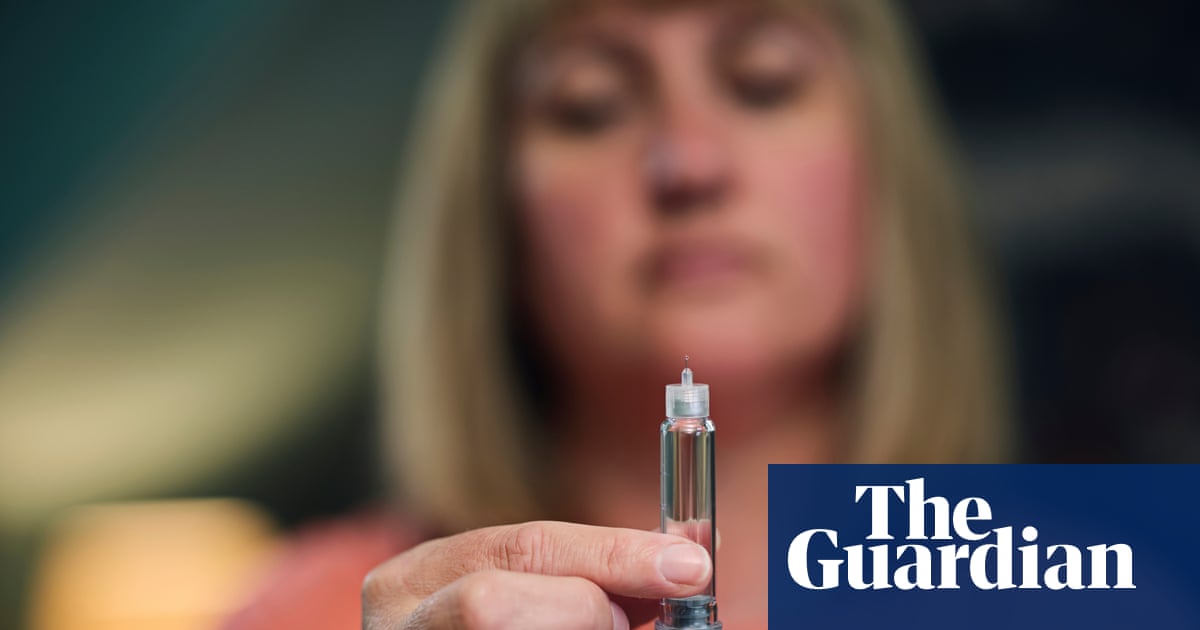
The high cost of weight-loss medication is a “regressive tax on being thin” because the outlay outweighs any saving on food costs for all but the highest earners.Someone needs to have discretionary income of nearly £100,000 a year to actually save money after covering the £1,200 annual cost of GLP-1 medication, according to an analysis by the consultancy Baringa.“Our analysis shows that GLP-1s risk becoming a driver of inequality,” said Paddy Winters, a partner at Baringa. “Only very high earners will benefit from savings to their groceries whilst taking the GLP-1 pill.”A regressive tax is one that takes a larger percentage from lower-wage earners’ income compared with those who are more wealthy. Most users buy the drugs with a private prescription.A GLP-1 user with £39,000 left over after tax and essentials will spend £481 less a year on food. But it is not until someone has £97,500 left to spend after tax and other outgoings that their grocery spend is reduced by £1,200, according to Baringa. The cost is an average for the pill form of the medication.For “everyone else” the annual cost of the drug outweighs any reduction in spending on groceries, Winters said. “On top of that, users are spending more on vitamin supplements and personal care products like hair care, to manage side effects. In effect, GLP-1s become a regressive tax on being thin.”“We’re already seeing early signs that some people cancel their prescription after a few months because the cost adds up – but the weight comes back once you stop,” he added. “So the pattern is likely to be start, stop, regain and return, and to fund that cycle, we may well see people turn to debt.”There are 14.3 million adults living with obesity in England, according to the King’s Fund. In a recent report, the charity said the government “needs to ensure that the people who benefit from [weight-loss medication] most are not priced out of accessing them, and that we don’t end up with wider health inequalities caused by obesity due to affordability and access”. The launch of the Wegovy pill could lead to cost reductions for weight-loss medication. Photograph: David Parry/PAIt is estimated that 5% of adults, or nearly 3 million people, in Britain are on weight-loss medication, while 9% have taken it at some point, according to separate research by accountancy firm PwC. It expects this number to rise to 13% by the end of next year.About 60% of GLP-1 users are women, according to PwC. Among current users 6% come from households with income of less than £20,000, whereas 20% are from the wealthiest, earning above £100,000.Dr Leyla Hannbeck, the executive chair of the Independent Pharmacies Association, said that access to GLP-1s on the NHS is “limited only to a small eligible cohort and many people who might benefit are unable to access treatment at all unless they can afford private care”.skip past newsletter promotionafter newsletter promotion“The NHS commissioning currently protects against some of the financial inequity, but access is limited,” Hannbeck said.The price of weight-loss drugs varies significantly depending on the retailer, drug, dose and whether any discounts or subscription is being used.Hannbeck said there had been some price volatility – notably in summer 2025 the cost of Mounjaro more than doubled – but the market was becoming more competitive.“We are seeing a growing pipeline of GLP-1 products, including oral formulations and next-generation therapies,” she said, pointing to the recent launch of the Wegovy pill.Those working in the industry regularly see a pattern where a patient is losing weight but ends up discontinuing treatment due to cost pressures and so regains it, said Hannbeck said. “This … reinforces the message that weight-loss is a journey and it must go hand in hand with lifestyle changes, such as diet and exercise, to maintain a healthy weight rather than a short-term quick fix.”
‘A tax on being thin’: only high earners make overall savings on food bills from weight-loss drugs
Full Article
Original Source
Read the full article at Theguardian →KhanList aggregates and links to publicly available news content. We do not host full articles from third-party sources. Always verify important information with original sources.