
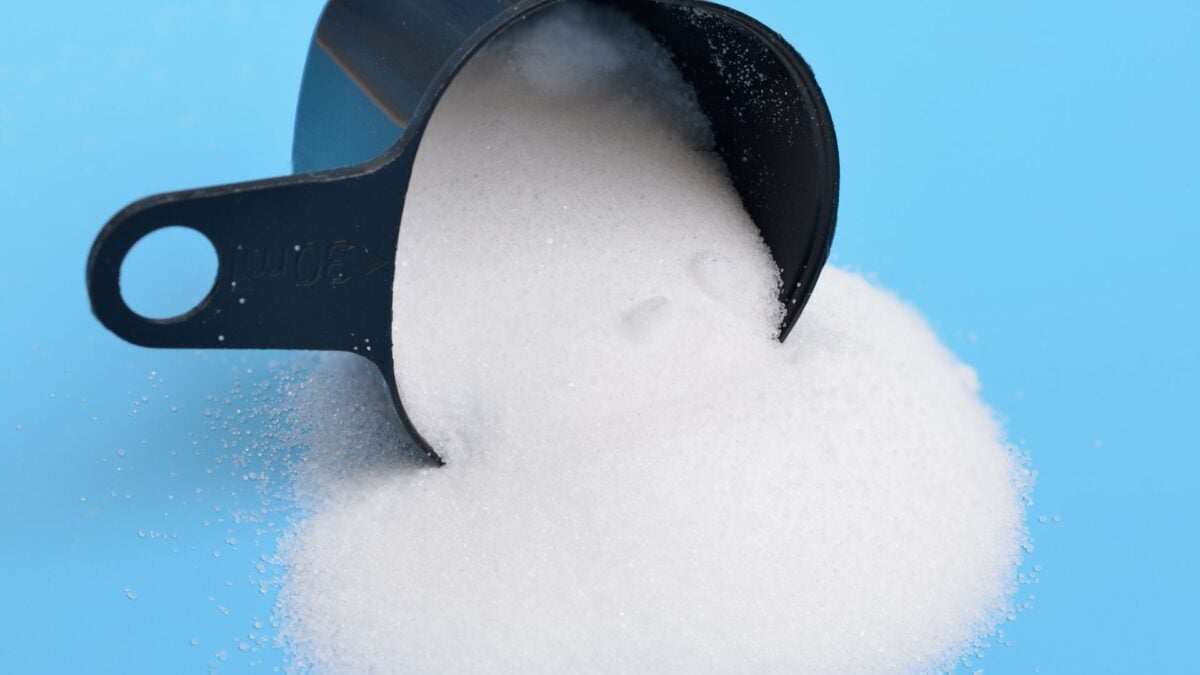
A simple switch in the type of salt we use in our food could have huge health benefits worldwide, research out this week suggests. Scientists in Australia and the U.S. calculated what might happen if we replaced standard table salt with a lower-sodium version that includes potassium under different scenarios. Up to three million deaths from cardiovascular disease and chronic kidney disease could eventually be prevented globally every year, they estimated. Numerous health groups have called for the widespread adoption of potassium-enriched salt, citing the known health risks of having too much sodium in our diet. “The projected benefits are substantially greater than those anticipated from sodium reduction strategies alone, reflecting the combined effects of reduced sodium exposure and increased potassium intake,” the authors wrote in their paper, published Wednesday in Nature Health. A healthier salt Delicious as a little dash of table salt (sodium chloride) can be in a meal, one of its key ingredients comes with a real drawback. Regularly consuming too much sodium can raise our risk of high blood pressure and other cardiovascular problems, including heart failure. And just about everyone is eating more sodium than they should. On average, Americans consume more than 3,300 milligrams of sodium per day, well above the recommended limit of 2,300 milligrams a day. Efforts to convince people to directly cut salt and sodium from their diets have basically been a failure, and people aren’t rushing out to buy the low-salt versions of popular foods. But in recent years, a new strategy has emerged. Potassium chloride is also an edible and cookable salt, and it’s now regularly used as a partial substitute for table salt. Pure potassium chloride tends to taste bitter, but most people seem to be perfectly content consuming versions that only contain some potassium. A 2016 trial, for instance, found that 80% of participants either couldn’t tell the difference or even preferred a 30% potassium mix over regular salt; more than 90% thought the same for a 15% mix. Most importantly, studies have consistently shown that people who adopt potassium-enriched salt consume less sodium and experience less cardiovascular disease. Given these results, the World Health Organization last year endorsed the wholesale switching of table salt to potassium-enriched salt (a 25% mix) for the general public as one of several ways to curb sodium intake. For this latest study, the researchers wanted to model the likely impact of such a switch. They mapped out five different scenarios. The smallest change would only involve people getting treated for hypertension and switching the salt they use at their own discretion, while the largest would swap out all table salt in our food supply for a 25% mix of potassium. In the most sweeping scenario, where all salt is substituted, 2.96 million deaths and 10.17 million new cases of cardiovascular disease would likely be prevented annually, they found. And even in the least sweeping scenario, roughly a half million deaths would still be prevented every year. What this could mean These numbers, of course, are only projections. And the researchers point out that even if everyone were on board to start swapping out our table salt, it would probably still take many years and plenty of effort to implement such a change, so these benefits wouldn’t be immediate. It’s also important to note that potassium-enriched salt isn’t without its potential risks either. People can have too much potassium in their system, a condition known as hyperkalemia, and there are certain medical issues that noticeably raise the odds of hyperkalemia, namely chronic kidney disease. Thus, people with chronic kidney disease could possibly be harmed by the widespread inclusion of these salts in the food supply. That said, even these populations might still benefit overall from a switch, since they tend to develop cardiovascular issues, too. The researchers here estimated that more than seven cardiovascular deaths could be prevented for every one death that might be caused in people with chronic kidney disease. Regular old salt is likely to stick around on our dinner tables for the foreseeable future. But if you’re worried about your own sodium intake and cardiovascular risk, switching over to potassium-enriched salt seems like an easy lifehack. Who knows, you just might be an early trendsetter.
A Simple Kitchen Swap May Prevent Up to 3 Million Deaths a Year
Full Article
Original Source
Read the full article at Gizmodo →KhanList aggregates and links to publicly available news content. We do not host full articles from third-party sources. Always verify important information with original sources.