
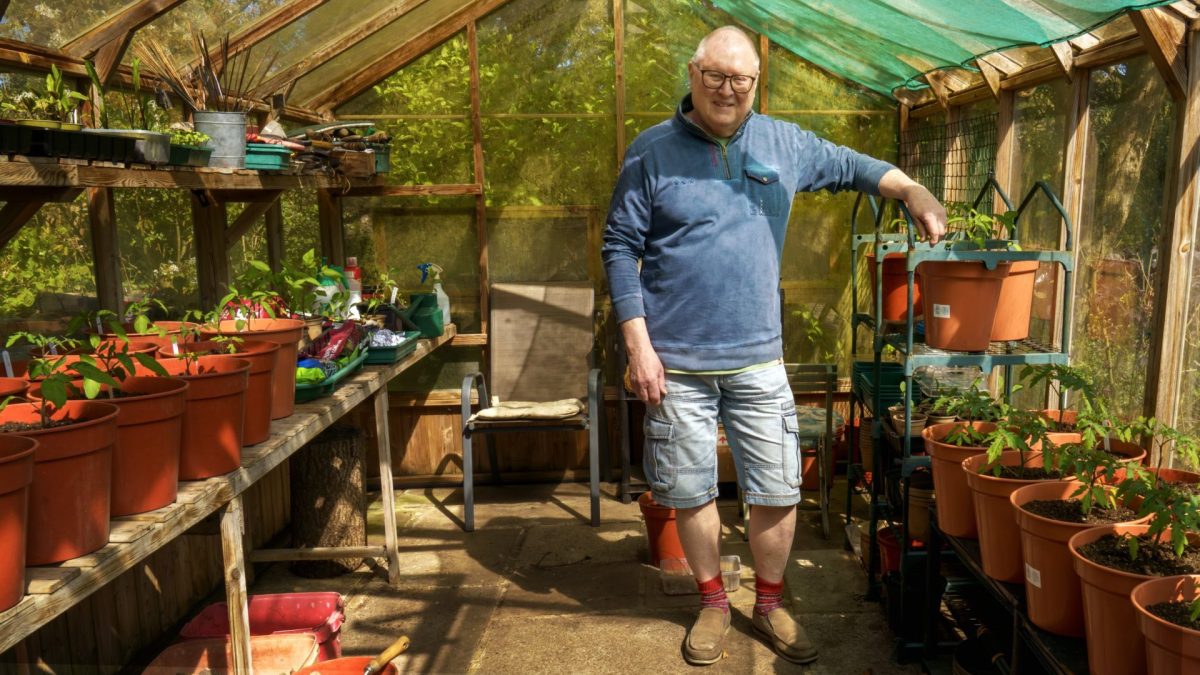
Could you survive for three days if the electricity went off, the taps stopped running, and the supermarket shelves began to empty? It might sound like the sort of question asked by a hardcore “prepper” with a garage full of tins and a wind-up radio. But keeping enough essentials at home to get through a short emergency is increasingly becoming mainstream advice. Following our record-breaking hot summer, an exceptionally powerful El Niño is now developing in the Pacific. The Met Office has described it as “unprecedented”, with forecasts indicating sea-surface temperature anomalies of more than 3°C. Professor Adam Scaife, the Met’s head of long-range forecasting, said in August that he had never seen an El Niño signal so intense. It doesn’t mean Britain is guaranteed a winter of catastrophic storms, but it increases the chance of wetter, stormier weather. Last month, it was reported that a government campaign will aim to make the nation more resilient to emergencies such as extreme weather by encouraging households to stock up on tinned foods, water, and other basic supplies. Shorts This is needed as experts say UK households are less prepared for emergencies than those in countries such as Finland and Sweden, which use a “whole-of-society” approach to emergency planning, meaning every part of the community, government, and citizens work together to handle crises. In Finland, for example, households must store enough food and clean water to last three days, along with emergency kits containing battery-powered radios, torches, power banks, iodine tablets, cash, and basic first-aid supplies. People are taught to rely on themselves and help neighbours during the first critical hours of a power cut, cyber attack or severe storm. Bill McGuire, emeritus professor of geophysical and climate hazards at University College London, thinks the UK government is woefully unprepared for the impact that extreme weather will have on infrastructure, and in particular, the food chain. “The hot summer we’ve had a huge impact on agriculture. This is probably going to be the worst harvest ever, for the UK, and the last three worst harvests have happened in the last five years,” said McGuire, whos is author of The Fate of the World: An urgent polemic about the history and politics of climate change. “We import more than 40 per cent of our food, but as the climate breakdown accelerates, countries are going to hang on to what they’ve got and not export it, which places Britain in a really bad position.” McGuire has been growing his own food for years, to be as self-sufficient as possible, but not everyone has access to land. So, what can you do to be prepared when a red weather warning appears on your phone? McGuire has been growing his own produce and has started buying essentials such as oil in bulk (Photo: Ruth Downing) Panic-buying is not advised (look how well all that toilet roll stockpiling went during the pandemic), so here, experts share sensible and actionable tips. Build a 72-hour cupboard – not a doomsday bunker You don’t need months’ worth of batch-cooked frozen meals to prepare for disaster, according to Penelope Henderson, registered nutritionist at Nutrition 2 Nourish Flourish. Having three days of meals stored away is a great start. Henderson advises what the supplies may look like: “For breakfast, boxes of cereal with UHT milk and tinned fruit would work well. Lunch could be crackers or oatcakes with tinned fish, beans or nut butter. If you can cook [if you have access to a gas stove for example], noodles, couscous, pasta or rice can be combined with tinned beans, fish or vegetables to make a simple meal. I’d also include familiar snacks such as nuts, dried fruit, cereal bars or crackers.” Stock up your freezer with frozen fruits and vegetables, as fresh varieties are more likely to run out quickly if there’s an issue with the supply chain. Henderson says having a range of essentials is a good idea, but you don’t have to buy them all at once: “I like having a good stock of foods we regularly eat at home, picking up extras of what we like, particularly when they’re on offer. The important thing is that you actually eat it and replace it, rather than having food sitting untouched for years.” In addition to growing his own produce, McGuire has started buying essentials such as flour and cooking oil in bulk, as these can be stored for long periods and are versatile in their use. You’ll need more water than you think A significant power failure can potentially affect mains water, according to the Government’s emergency guidance. On multiple occasions in Kent in the last 18 months, thousands of homes have been left without water for days after problems at treatment centres. This could happen again, with little warning. Dean Gillespie, who considers himself an expert prepper having first started stocking up for natural disasters in the 1990s, says most of us are not prepared for water storage. “We drastically underestimate how much water we need to function. I am not just talking about drinking water, but water to wash, to cook food, to make baby bottles, or for pets. The government guidelines say to plan for 2.5 to 3 litres of water a day to stay alive, but I say it should be closer to eight.” Gillespie says bottled water can be stored for a long time – typically up to two years provided it’s kept somewhere cool, away from direct sunlight, dust, fumes and chemicals and rotated according to best-before dates. Current government guidance recommends buying sealed bottled water for emergency storage, rather than filling your own containers from the tap, because the sealed, food-grade packaging offers longer-lasting safety and quality. If you grow vegetables, they’ll also need water too. McGuire swears by water butts; he has several on his land, with more planned for the future. Don’t let your car run on fumes Severe weather can close roads and disrupt public transport extremely quickly. Keeping a reasonable amount of fuel – or charge in an electric vehicle – gives you more flexibility if you unexpectedly have to travel than always letting it run down to empty. McGuire has had electric vehicles for years, and swears by them. Get ready for a power cut Storms and extreme weather increase the likelihood of power going out. Llewellyn Kinch, energy expert, founder of MakeMyHouseGreen and Switchd, has some advice on how to prepare: “Make sure you have a torch with spare batteries, a charged power bank, warm layers and some cash, since card machines and cash points go down along with everything else. A battery or wind-up radio is worth having, because local radio is usually the fastest source of information when the internet has gone.” It is not only important to have these items but also to know where they are stored in your home. If the lights go out and you’re fumbling in the dark, you might not be able to access everything you know you have in a timely fashion. Kinch recommends a small battery back-up for your broadband router, which you can get online for about £30. “It keeps you online for a few extra hours when there’s a power cut, so you can still get information and make calls over Wi-Fi if the mobile network is struggling.” That matters more than it used to. Landlines used to run on their own power supply and stayed up in a cut, but digital lines run through the router, so the phone now goes down with everything else. Prepare your garden Less urgent, but still worth considering if we’re entering a period of unstable weather, is how you might maintain your garden and outside spaces. Especially if you are trying to grow produce. Shelley Davis, plant expert at Flying Flowers, says autumn months can bring changeable weather, but plants are remarkably resilient with a bit of advance prep. “For plants that are particularly sensitive to wet conditions, think about where they are planted. If an area of the garden regularly becomes waterlogged, planting more vulnerable varieties slightly higher can help keep their roots away from standing water,” she says. “Prolonged waterlogging can be just as stressful for plants as dry soil, particularly for varieties that prefer good drainage. When soil stays saturated, there is less air around the roots, which can make it harder for them to function. Raising containers using pot feet or bricks allows excess water to drain away freely. It’s worth checking that drainage holes aren’t blocked too, particularly after heavy rainfall.” Floodproof your home Data suggests UK homes are significantly more likely to be exposed to flood risk than to experience burglary – especially as more extreme weather events happen. Figures from the 2024 Office for National Statistics (ONS) Crime Survey show that close to one in 100 homes in the UK are burgled each year, while official figures suggest that around one in five UK homes are considered at risk of flooding. Kara Gammell, home insurance expert at MoneySuperMarket, warns small maintenance problems can quickly become expensive issues when storms occur, and this often catches people out. Here she shares a checklist to storm-proof your home. Start with clearing blocked drains and gutters, which can contribute to surface water flooding. Remove fallen leaves, moss and debris regularly to help prevent blockages that can lead to water damage. Check your insurance cover – with the average cost of home flooding estimated at around £30,000, not having appropriate cover in place could lead to big financial consequences. Make sure your policy is up to date, ensuring cover aligns with your current possessions and their value. Take photos of your home and garden now, while they’re in good condition. This can serve as proof in weather-related disputes later. Keep a home maintenance log to show you’ve taken steps to maintain your property. Look for signs of damage. Inspect ceilings, walls and loft spaces for early indications of leaks or damp. Addressing minor issues early can help prevent more significant damage later. Regularly inspect external walls and roofing, and check for missing tiles, cracks or other places where water could enter. Stock up on sand – invest in sandbags, which remain an effective flood-prevention measure, especially if you’re in an area with a known history of flooding or elevated flood risk. Most importantly, stay alert – sign up for local and Met Office warnings, so you have as much notice as possible before severe weather arrives.
A sensible guide to prepping and stockpiling – by the experts
Full Article
Original Source
Read the full article at Inews →KhanList aggregates and links to publicly available news content. We do not host full articles from third-party sources. Always verify important information with original sources.