
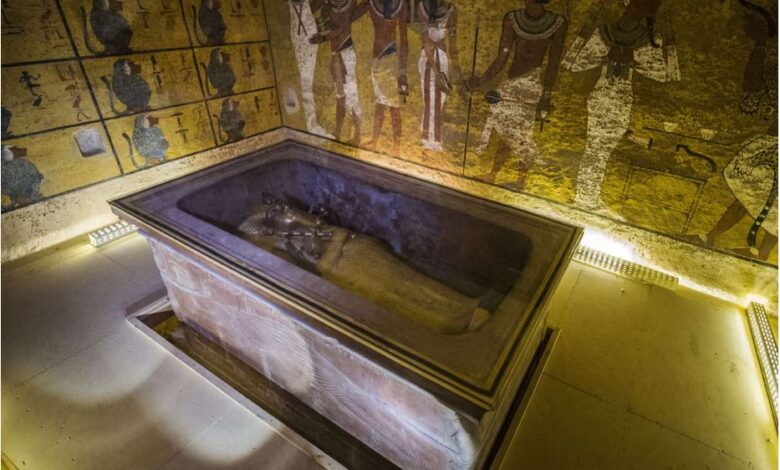
“The mummy’s curse” might have some basis in reality after all, after a recent academic study warned of genuine health risks associated with the murky trade in mummified human remains—a practice increasingly spreading across social media, e-commerce platforms, and auction houses. The study, titled “The real mummy’s curse: Health risks associated with the sale and trade of mummified remains,” was published in the International Journal of Cultural Property by Cambridge University Press. It was co-authored by researchers specializing in bioarchaeology and the preservation of human remains. According to The Guardian, scientists analyzed 128 advertisements and posts offering mummified human remains for sale on Meta-owned platforms, e-commerce sites, online stores, and auction houses. They reached conclusions they described as “grim,” particularly given the appearance of remains showing clear signs of deterioration, all without adequate warnings or guidelines regarding how to handle them. Hands and feet were among the most common mummified body parts offered for sale, followed closely by heads. Human heads—whether intact or partial—and skulls retaining soft tissue or hair accounted for approximately 51.6 percent of the sample studied by researchers. Deadly spores, heavy metals The danger of this trade is compounded by the nature of the substances used in ancient mummification processes. Human tissues were sometimes preserved using chemicals and heavy metals—such as arsenic, mercury, and lead—which can pose health risks if handled without proper protective measures. However, the risk is not limited to chemicals alone; mummified remains can harbor dormant microorganisms even centuries after the tissue has dried out. When remains are disturbed or touched, fungal spores can become airborne, making inhalation a potential health risk. The study cites an incident from the 1970s which killed 10 out of 12 conservationists who opened the tomb of King Casimir IV in Kraków, Poland; it is believed that inhaling Aspergillus fungal spores was the cause. The study also links the Aspergillus fungus to the 1923 death of Lord Carnarvon, a key financier of the discovery of Tutankhamun’s tomb in the Valley of the Kings. His death subsequently became one of the stories fueling the legend of “the mummy’s curse” which holds that opening ancient tombs can bring about illness or death. However, researchers emphasize that these dangers stem from biological and chemical hazards that can be scientifically explained. Improper storage A professor of human bioarchaeology at Staffordshire University, Kirsty Squires, stated that some individuals involved in the trade of mummified remains do not appear to grasp the extent of the risks. She noted that images posted online show severely deteriorated remains kept in open areas within homes—sometimes without protective cases or proper storage conditions. The issue extends beyond buyers and sellers; human remains can be transported via postal and shipping services, exposing warehouse workers, drivers, logistics personnel, and customs officials to potential risks—particularly as they may handle these shipments without knowing their contents or wearing appropriate protective gear. Ultimately, the study reveals that the obsession with mummies and ancient human remains has devolved into a trade fraught with genuine risks. This necessitates the implementation of stricter regulations for handling such materials to protect not only the collectors but also anyone who might touch or transport them without being aware of their nature. Edited translation from Al-Masry Al-Youm
A real mummy’s curse? The health risks associated with the trade of human remains
Full Article
Original Source
Read the full article at Egyptindependent →KhanList aggregates and links to publicly available news content. We do not host full articles from third-party sources. Always verify important information with original sources.