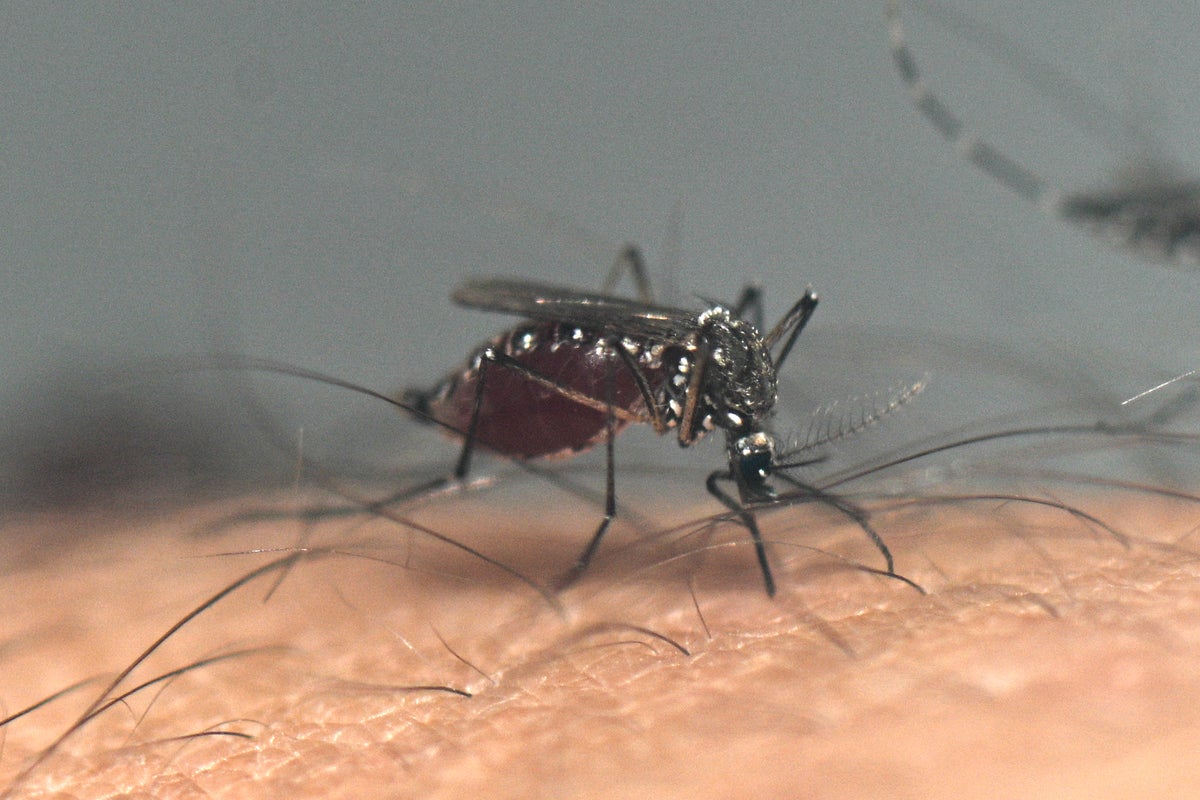
Cases of the deadly mosquito-borne West Nile virus have been spreading across the U.S., leaving at least eight dead across 30 states so far this year. The CDC has recorded more than 180 cases nationwide so far, with Arizona most heavily impacted with 73 cases and five deaths.California has seen three deaths from 30 human cases of the brain-swelling illness, state data shows, three times as many patients as this time in 2025. Among them is a 70-year-old man recently hospitalized in the community of Elk Grove after receiving a spinal tap, ABC 10 reported.“Some bug spray on you, whatever you have to do to cover up and protect yourself. The illness is real,” Jeanetta McDowell, a family member of the patient, told the station.The mosquito-borne West Nile has been detected in 30 states, with deaths recently reported in California (AFP/Getty)Idaho reported its first case of severe disease in a 65-year-old Canyon County resident this week, too.“The report of the first severe West Nile virus disease of the season in an Idaho resident is a good reminder for all of us to take protective measures against mosquito bites,” Idaho State Epidemiologist Dr. Christine Hahn cautioned in a Monday release.The virus, which is most commonly contracted through a mosquito bite, causes more than 130 deaths in the contiguous U.S. every year.West Nile virus cases are typically mild in healthy people, but can be fatal in those with compromised immune systems. Few details of the California deaths have been released by authorities as yet, but one of the deceased was aged between 80 and 90 and passed away from complications, per the public health department. Severe cases can lead to a high fever, coma, tremors, vision loss, paralysis and brain and spinal inflammation, the Centers for Disease Control and Prevention says. There is no treatment available and most cases resolve after rest and fluids.This map from the U.S. Centers for Disease Control and Prevention shows where cases of the mosquito-borne West Nile virus are the highest across America right now. Arizona, in the darkest blue, has the most cases, other states in lighter blue have between nine and 25 cases, state in turquoise have between one and five cases and states in grey have yet to report a case (CDC)The majority of cases occur in the summer, when warm and west conditions are at their peak. While mosquitoes thrive in these conditions, experts say climate change-driven drought in Arizona and across the West has actually helped the disease spread. Drought means that mosquitoes breed around smaller bodies of water, giving more opportunity for the virus to spread between them.“Drought conditions can paradoxically increase West Nile virus transmission because it concentrates mosquitoes and birds (West Nile virus is a bird virus, first) around shrinking water sources, increasing transmission risk,” Matthew Aliota, a professor at the University of Minnesota, who specializes in these kinds of viruses, previously told The Independent.The Lake Powell reservoir is seen at record low levels in Page, Arizona, earlier this month. Drought in the state has paradoxically fueled more West Nile cases (Getty)This past spring saw historic drought which has helped to fuel some of the nation’s largest wildfires and led to record-low snowpack.Fortunately, not everywhere is seeing the same surge. The number of mosquitoes is actually lower than normal this summer in Colorado, North Dakota and Minnesota.But whether mosquito numbers are lower or higher, anyone can protect themselves by taking steps to protect their body and their homes.“This includes wearing insect repellent and protective clothing in addition to reducing standing water around gardens and homes where mosquitoes can lay eggs,” said Hahn.
A deadly brain-swelling illness spread by mosquitoes is on the rise in the US
Full Article
Original Source
Read the full article at Independent →KhanList aggregates and links to publicly available news content. We do not host full articles from third-party sources. Always verify important information with original sources.